The Engine of Automation: Why Your AGV’s Wheels Matter
In today’s fast-paced industrial landscape, Automated Guided Vehicles (AGVs) are no longer a luxury but a necessity. They are the workhorses of modern warehouses, manufacturing floors, and logistics hubs. But what truly defines an AGV’s performance? While navigation systems and software are crucial, the choice of wheels is a fundamental decision that directly impacts an AGV’s stability, maneuverability, and overall efficiency. The debate often comes down to two primary technologies: the steering wheel and the differential wheel.
As a leading provider of high-performance industrial automation components, we at Houzai understand that making the right choice can be complex. This guide will break down the AGV steering wheel vs. differential wheel comparison, helping you find the perfect AGV wheel solutions for your unique operational demands.
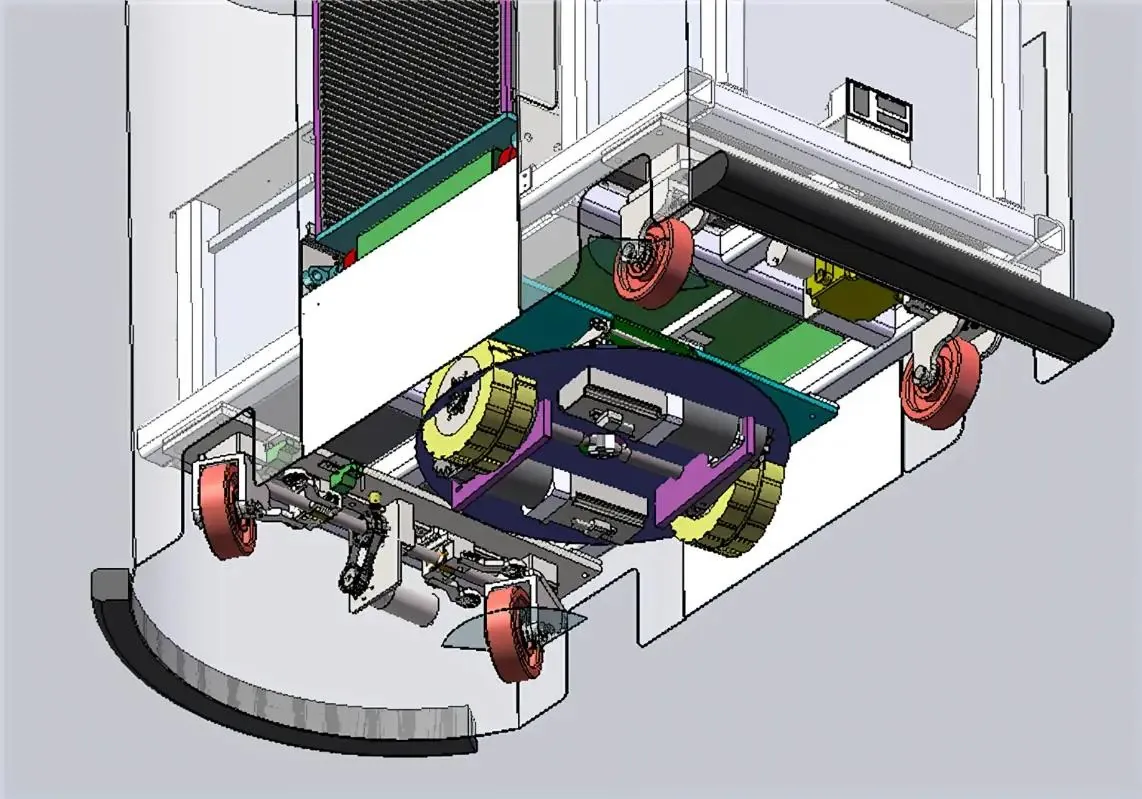
Understanding the AGV Steering Wheel
An AGV steering wheel, sometimes known as a steering caster, is an integrated unit designed for precise directional control. It combines a drive motor, a steering motor, a gearbox, and the wheel itself into a single assembly.
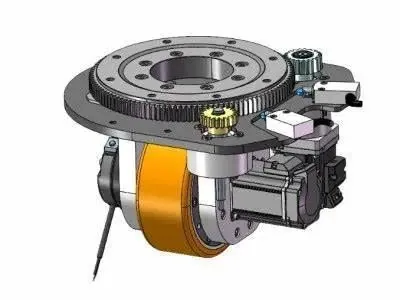
How Does It Work?
The magic of the steering wheel lies in its ability to rotate on its vertical axis while simultaneously driving forward or backward. The steering motor adjusts the wheel’s angle, allowing the AGV to follow complex paths, make sharp turns, and navigate with exceptional accuracy. This mechanism enables precise control over the vehicle’s direction, making it a master of navigation.
Key Advantages and Applications
The primary strength of the steering wheel is its precision. This makes it the ideal choice for environments where accuracy is paramount.
- High-Precision Navigation: Perfect for operations requiring exact positioning, such as docking at workstations or retrieving goods from tightly packed shelves.
- Maneuverability in Tight Spaces: Its ability to turn sharply makes it suitable for narrow aisles and congested factory floors.
- Versatile Movement: Steering wheels can enable omnidirectional or multi-directional movement, depending on the AGV’s configuration.
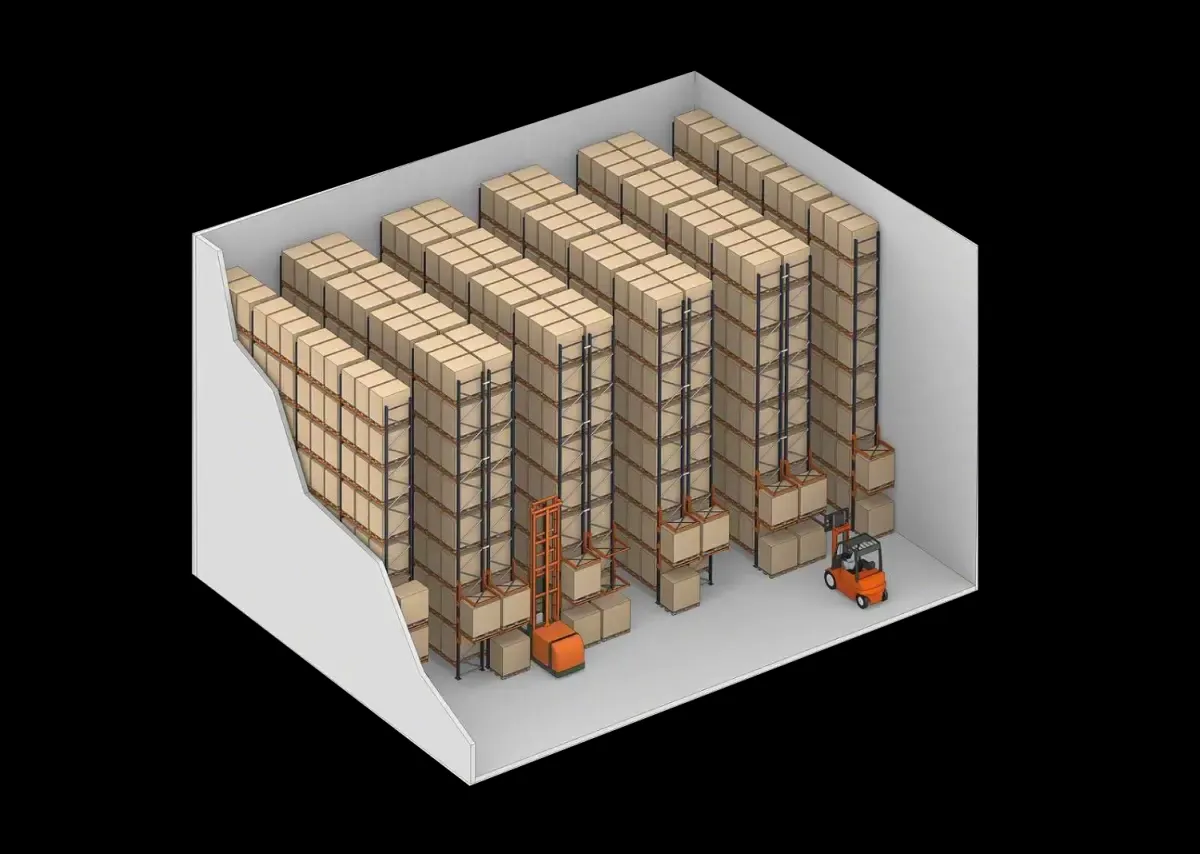
You will often find steering wheels in applications like automated sorting centers, delicate assembly lines, and environments where AGVs must interact closely with human workers and other machinery.
Exploring the AGV Differential Wheel
A differential wheel system, or differential drive, is a simpler yet powerful alternative. This setup typically uses two independently driven wheels mounted on a common axis. There are no separate motors for steering.
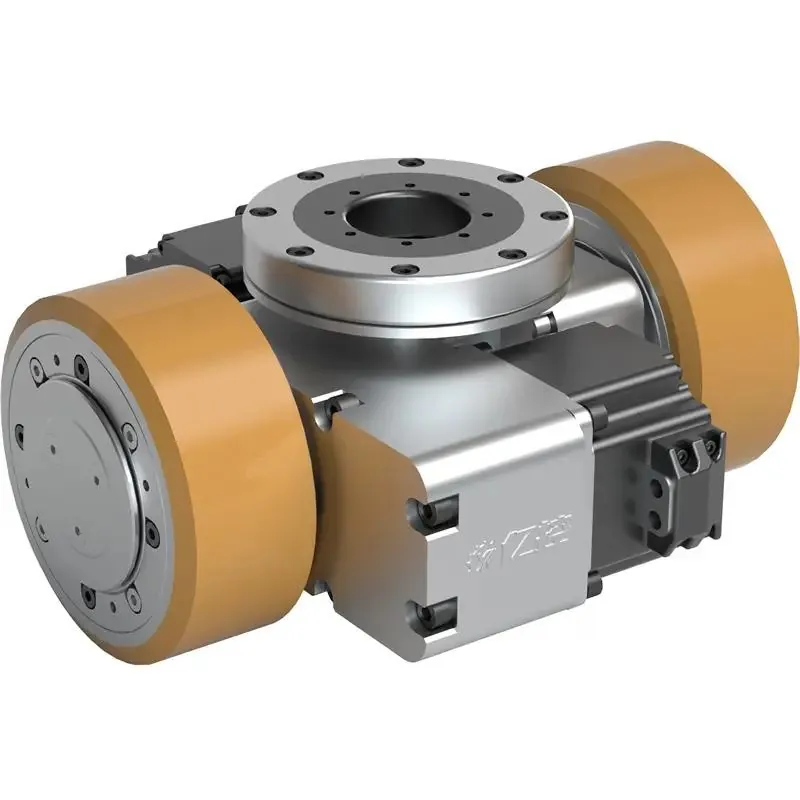
How Does It Work?
Steering is achieved by varying the speed and direction of the two wheels relative to each other. To move straight, both wheels turn at the same speed. To make a turn, one wheel spins faster than the other. For a sharp, zero-radius turn, the wheels can even spin in opposite directions, allowing the AGV to pivot on the spot.
Key Advantages and Applications
The differential drive excels in power, stability, and simplicity. Its robust design makes it a reliable choice for demanding tasks.
- Superior Power and Load Capacity: With two drive motors, this system delivers excellent traction and can handle heavier payloads, making it ideal for transporting large quantities of goods.
- Stability and Durability: The straightforward mechanical design results in a stable and robust platform, well-suited for various floor conditions and long-distance travel.
- Cost-Effectiveness: Fewer complex components often make differential drive AGVs a more economical solution, both in initial investment and maintenance.
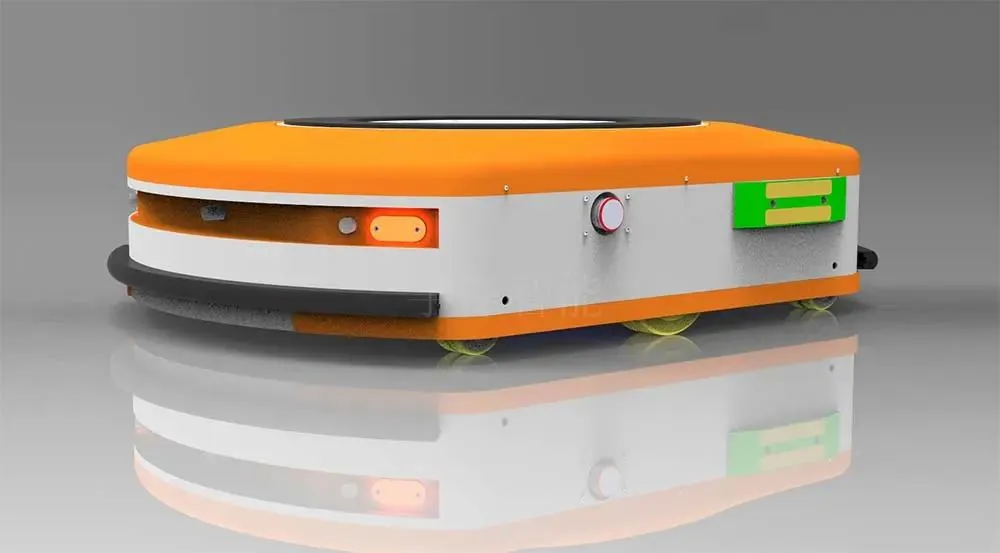
This wheel solution is commonly found in large-scale warehouses for long-haul material transport, on manufacturing assembly lines for moving heavy parts, and in any application where raw power and reliability are more critical than pinpoint precision.
Head-to-Head: AGV Steering Wheel vs. Differential Wheel
To help you decide, let’s place these two AGV wheel solutions side-by-side and compare their core attributes.
1. Precision and Path Following
Winner: Steering Wheel. The dedicated steering motor provides unparalleled control over the AGV’s path. It can correct deviations smoothly and follow intricate routes with minimal error. Differential drives, while effective, can be more susceptible to drift on uneven surfaces.
2. Power and Payload
Winner: Differential Wheel. The combined power of two independent drive motors gives the differential system a clear advantage in carrying heavy loads and maintaining momentum over long distances.
3. Agility in Different Spaces
It’s a Tie. This depends on the definition of agility. For navigating narrow, winding aisles, the steering wheel is superior. For pivoting in place and quickly changing direction in open areas, the differential wheel has the edge.
4. Adaptability and Stability
Winner: Differential Wheel. Its simpler, robust structure generally provides better stability, especially under heavy loads. It adapts well to different surfaces and is less mechanically complex, leading to higher reliability in harsh industrial environments.
Making the Right Choice for Your Business
Ultimately, the best AGV wheel solution is the one that aligns with your specific operational needs. Ask yourself these questions:
- Do I need pinpoint accuracy? If your AGV needs to perform delicate tasks or navigate complex, tight spaces, a steering wheel is likely your best bet.
- Am I moving heavy loads over long distances? If your primary task is material transport in a large, open facility, the power and stability of a differential wheel system are ideal.
- What is my budget? While performance should be the priority, differential drive systems can offer a more budget-friendly entry into automation.
Houzai: Powering the Future of Automation
The world of industrial automation is constantly evolving. With the rise of AI and IoT, AGVs are becoming smarter and more integrated. The demand for high-quality, reliable industrial automation components has never been greater. At Houzai, we are committed to providing robust and cost-effective AGV wheel solutions, including advanced gear reducers and motors that form the heart of both steering and differential systems.
Whether you need the precision of a steering system or the raw power of a differential drive, our products are engineered to deliver unmatched performance and value. Contact us today to discuss your project and let our experts help you build the future of your facility.