High precision processing requires the smooth operation of planetary gearboxes. These components are the foundation of modern automated production lines. When a system works well, it moves with quiet efficiency. However, abnormal vibration can suddenly occur. This shaking is more than just an annoyance. It causes loud noise and increases backlash. If left alone, it can lead to broken gear teeth. In the worst cases, it causes permanent damage to expensive servo motors. You need a logical plan to find the source of the trouble.
Distinguish Internal and External Causes
You should not take the machine apart immediately. The first step is to isolate the problem. You must decide if the vibration comes from inside the gearbox. It might also come from the surrounding environment.
A simple no-load test is the best way to start. You should disconnect the load from the system. This includes removing the rack or the timing belt. Let the motor drive the gearbox alone. If the vibration stops during this test, the issue is external. It likely relates to the connections or the load side. If the shaking continues, the problem is inside the transmission unit. This test saves a lot of time during diagnosis.
Correct Installation and Alignment Errors
Most heavy vibration comes from simple installation mistakes. Statistics show that nearly ninety percent of these issues start here. Small errors in setup become big problems at high speeds.
One common mistake is coupling misalignment. The motor shaft must align perfectly with the gearbox input shaft. If they are not on the same center line, a radial force is created. This force causes the system to shake in a rhythmic pattern. It also puts stress on the seals and bearings.
You should also check the rigidity of the base. A mounting plate that is too thin can cause trouble. Loose bolts are another frequent culprit. These factors create a resonance effect. This effect makes even tiny mechanical movements seem much louder. In linear systems, the meshing of the gear and rack is vital. A rack that is not straight causes impact during movement. If the mesh is too tight or too loose, the system will not run smoothly.
Diagnose Internal Mechanical Faults
If the no-load test showed internal issues, you must look deeper. These faults often involve the physical parts of the gearbox.
Bearing wear is a very common internal cause of vibration. You can check this by feeling the output shaft. If there is any radial movement or wiggle, the bearings are likely worn out. This happens over time due to heavy loads.
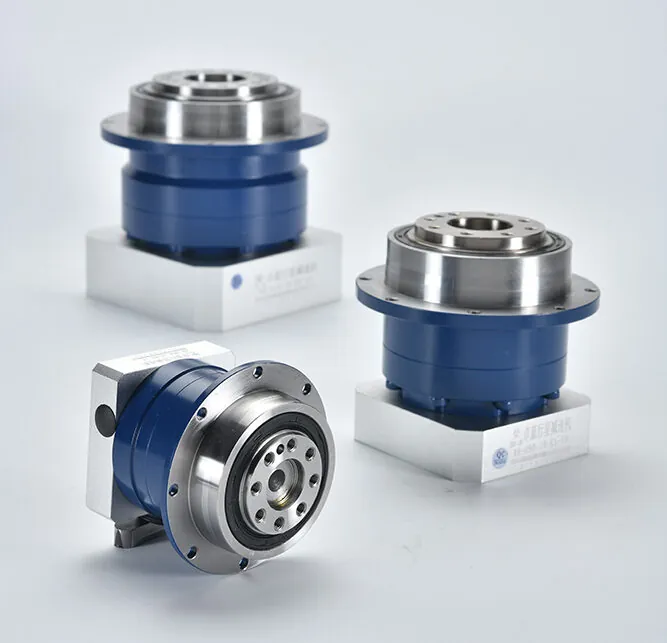
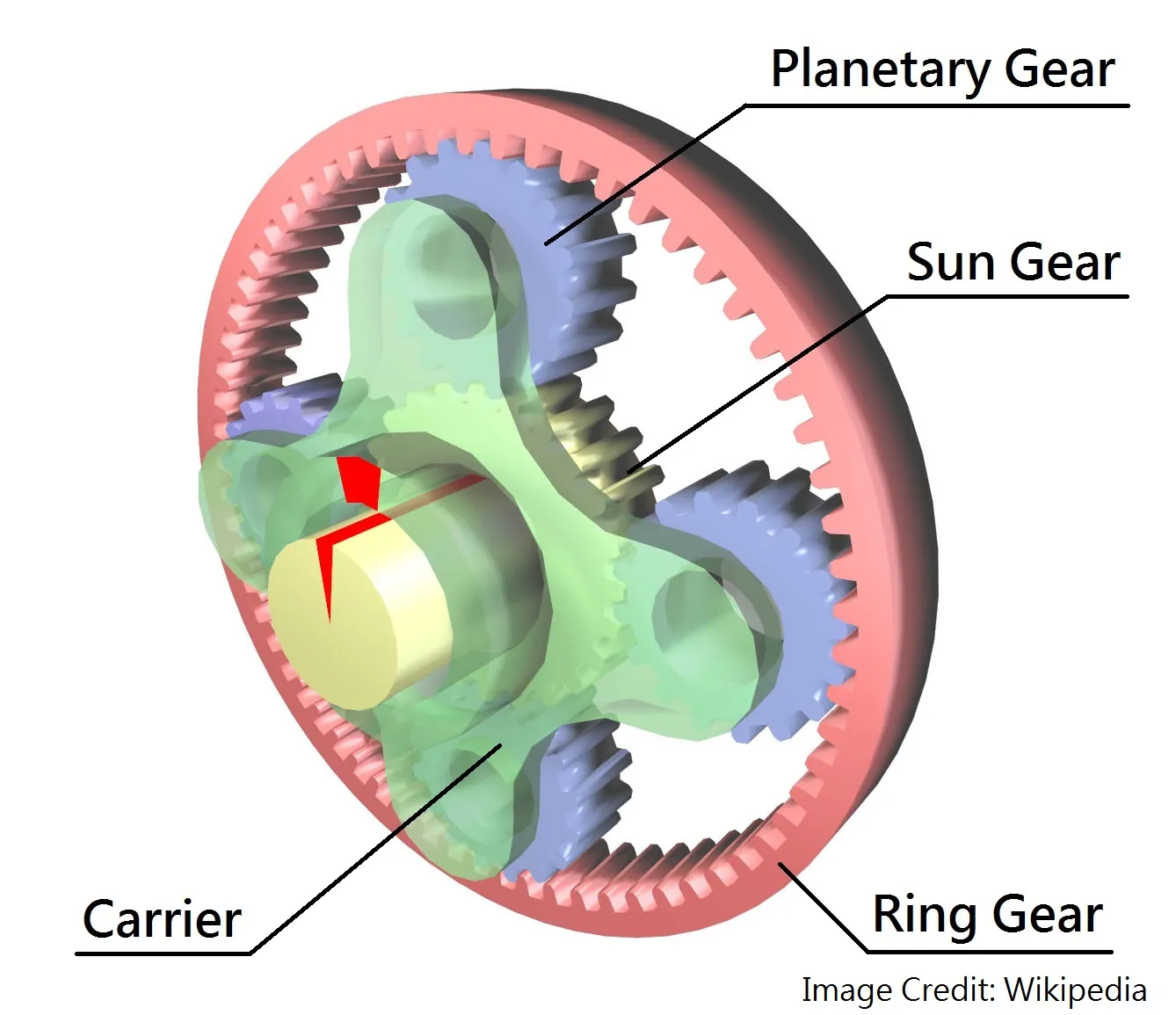
The precision of the gears themselves can also be damaged. Overloading the machine can chip the planetary gears. It can even cause the gears to change shape. This damage leads to uneven transmission and jerky movements.
Finally, do not forget about the lubrication. The quality of the grease matters for dampening. You should change the grease regularly. Old grease or grease with metal debris can change how the teeth interact. Clean lubricant helps the gears glide without shaking.
7 Steps to Restore Smooth Performance
Follow this sequence to fix vibration in your transmission system:
- Stop the machine and disconnect the power for safety.
- Detach the external load to isolate the gearbox.
- Run a no-load test to check for internal noise.
- Inspect the coupling for proper alignment with the motor.
- Verify that the mounting base is thick and the bolts are tight.
- Clean and align the rack and pinion for better meshing.
- Check the internal grease for any signs of contamination.
The Strategic Role of High Quality Gearboxes
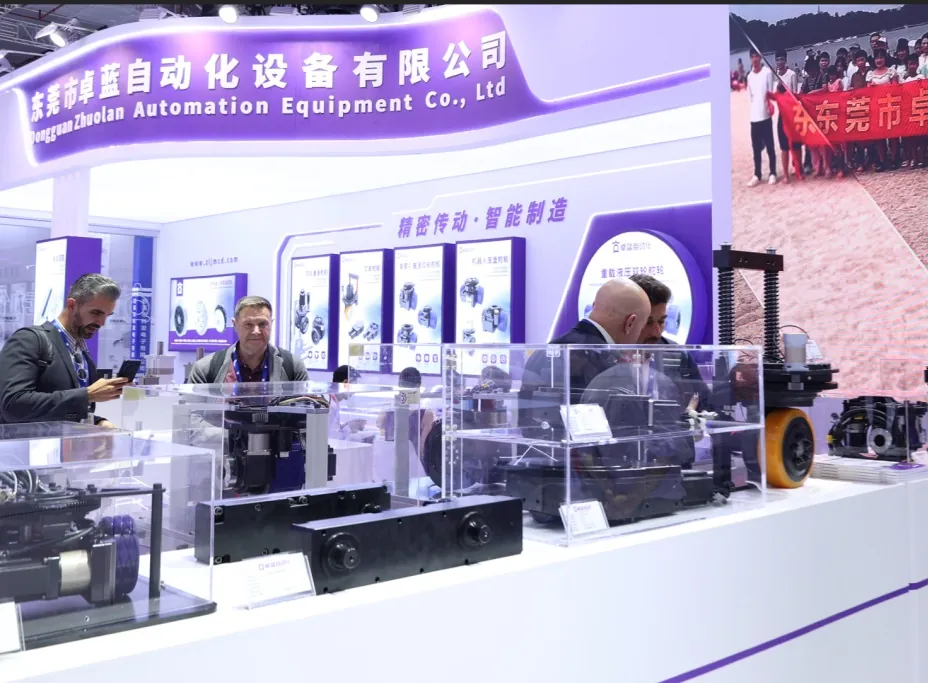
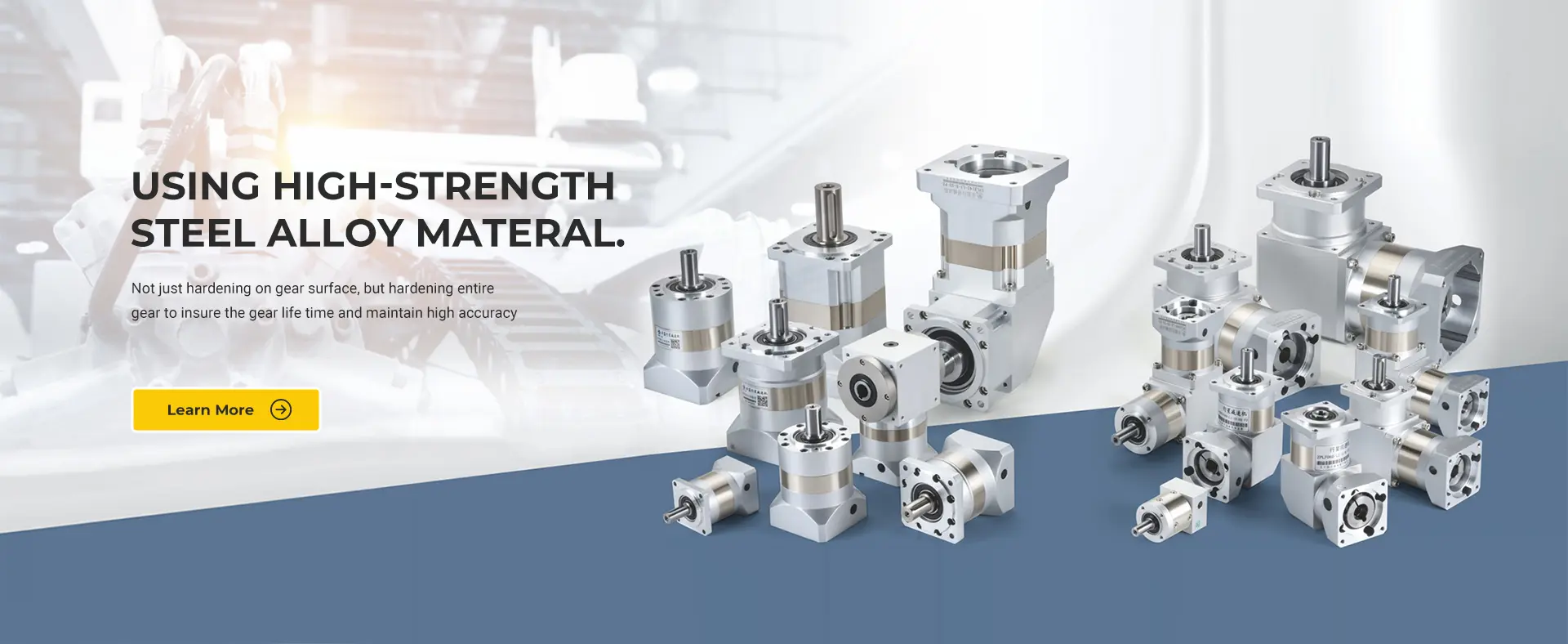
Maintaining a precision system requires the right hardware. Houzai serves as the core agent for Zhuolan products. These gearboxes are designed for high-end quality. They offer great performance for the price. When you choose quality components, you reduce the risk of vibration from the start. Houzai provides one-stop solutions and technical support. This help ensures your installation meets professional standards. Proper setup is the only way to keep a system running for a long time.
Understanding the Limits of Diagnosis
Some vibration issues are very complex. They might involve the software tuning of the servo drive. If mechanical checks do not work, look at the electronic settings. You might need to adjust the gain of the motor. Sometimes, the resonance comes from the frequency of the machine frame. In these cases, simple mechanical fixes may not be enough. You might need to consult with a technical expert for a deep analysis.
Frequently Asked Questions
Q : Why does my gearbox vibrate only at certain speeds?
A : This is often caused by resonance. Every machine has a natural frequency. If the motor speed matches that frequency, the vibration grows. You may need to stiffen the base or change the operating speed.
Q :How often should I change the gearbox grease?
A : For most industrial planetary units, an annual check is good practice. If you see metal flakes in the grease, change it immediately.
Q :Can a loose bolt cause motor damage?
A : Yes. A loose bolt leads to vibration. This vibration travels through the shaft and can damage the internal components of the servo motor.
Q :What is the best way to align a motor and gearbox?
A : Using a laser alignment tool is the most accurate method. It ensures the shafts are perfectly centered. This reduces radial stress and noise.