
Modern factories and warehouses are changing fast. You might see small vehicles moving heavy loads without any drivers. These are Autonomous Guided Vehicles or AGVs. They turn smoothly and avoid people with ease. They do not get stuck in traffic even when many robots work together.
How do these robots know where to go? It is not magic. It is a mix of smart software and high-quality hardware. At Houzai, we help businesses find these smart solutions. We provide the gearboxes and motors that make these precise movements possible.
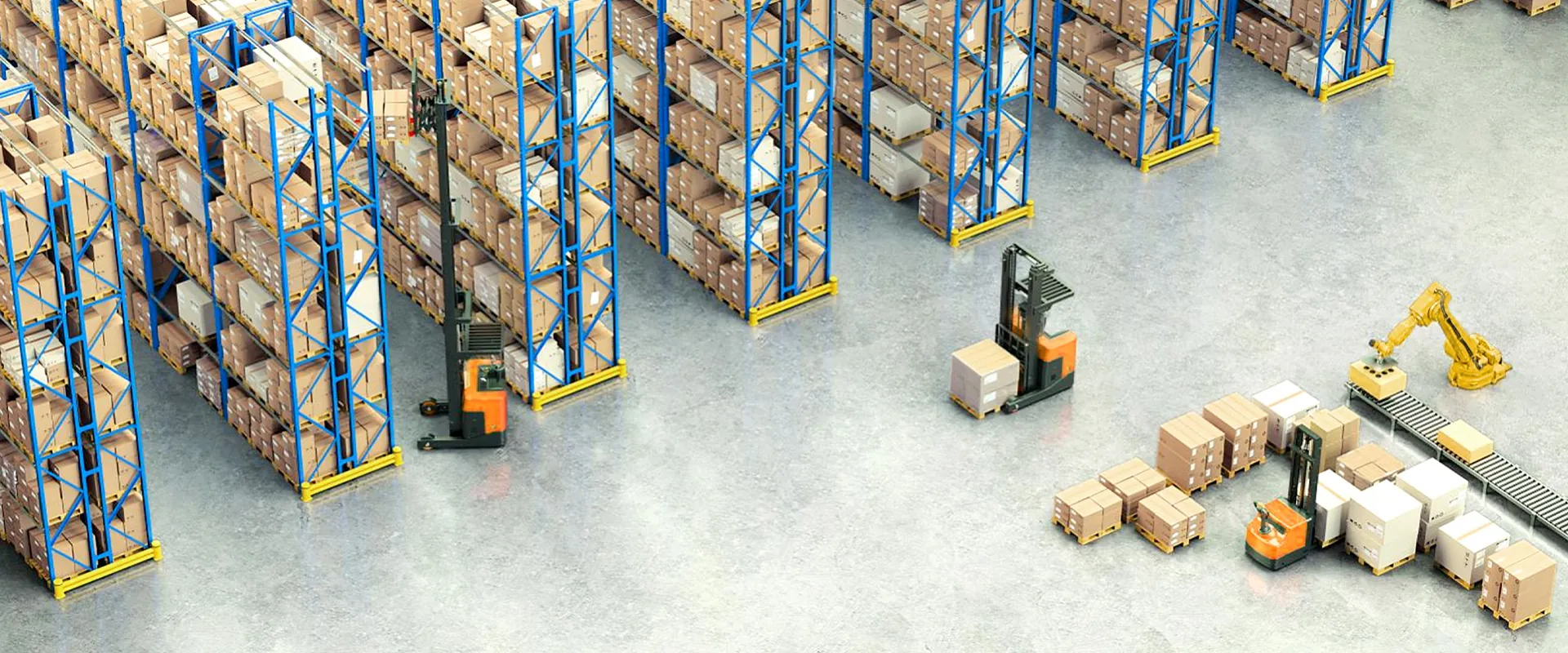
Understanding AGV Navigation Systems
An AGV must first know its location. This is the foundation of path planning. Without a clear position, the robot is lost. Engineers use different methods to help AGVs find their way.
Traditional Fixed Navigation
Some systems use physical markers on the floor. Magnetic navigation uses strips buried in the ground. It is very reliable in dusty areas. However, if the strip breaks, the AGV stops. Other systems use QR codes. Cameras on the robot scan these codes to verify the location. This works well in large, open spaces.
Advanced SLAM Navigation
Many modern AGVs use SLAM technology. This stands for Simultaneous Localization and Mapping. There are two main types of SLAM.
Laser SLAM uses Lidar to scan the room. It creates a digital map in real time. It is very flexible because you do not need to change the floor. Visual SLAM uses cameras to see the environment. It can recognize complex shapes. This is great for busy areas where things change often.
The Logic of Path Planning Algorithms
Knowing the location is only the start. The AGV needs a plan to reach its goal. This is where algorithms come in. They act like a digital brain for the robot.
The A-star algorithm is a common choice. It calculates the shortest path from start to finish. It works like a GPS for your car. It is fast and efficient. For moving objects, robots use the Dynamic Window Approach or DWA. This helps the AGV adjust its speed and direction instantly.
In very large facilities, engineers might use RRT. This stands for Rapidly-exploring Random Tree. It helps find paths in very complex maps. Most high-end systems combine these methods. They use one for the big map and another for small, quick movements.
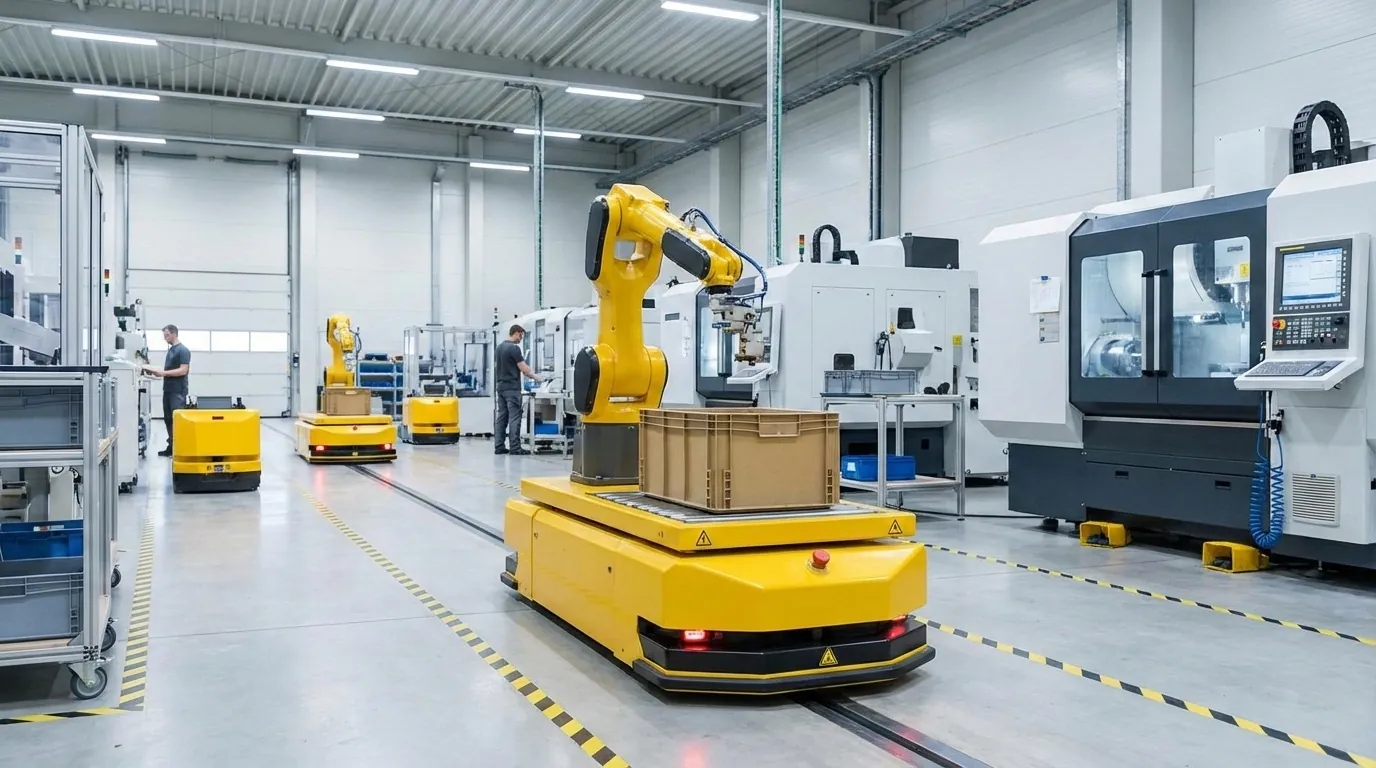
How AGVs Avoid Obstacles
Safety is a top priority in industrial automation. An AGV must never hit a person or a shelf. To prevent accidents, robots use many sensors at once.
- Lidar provides a 360-degree view of the surroundings.
- Ultrasonic sensors measure the exact distance to nearby objects.
- Depth cameras identify if an object is a human or a box.
- Infrared sensors detect sudden movements in the path.
These sensors send data to the computer every millisecond. The AGV can then slow down or steer away. This multi-sensor approach ensures the factory remains safe for everyone.
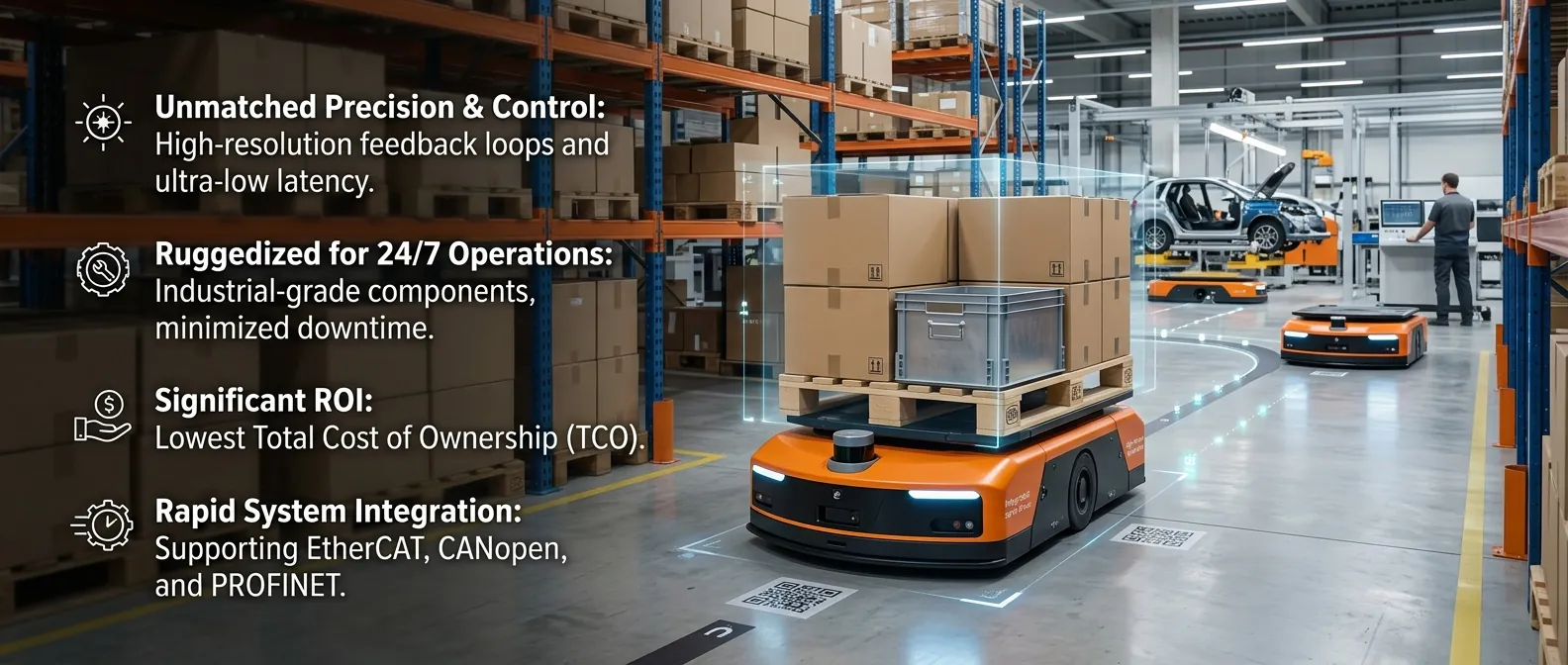
Coordinating Multiple Robots
A single robot is easy to manage. But what happens with fifty robots? Traffic jams can slow down the whole factory. To solve this, developers use coordination strategies.
One method is the Auction Algorithm. Tasks are “sold” to the robot that is closest or has the most battery. This prevents robots from wasting energy. Another method is Time Window Scheduling. It gives each robot a specific time to use a busy path. This keeps the traffic flowing like a well-managed city.
Choosing the Right Solution for Your Business
Building an efficient AGV system requires the right parts. The path planning software is only as good as the hardware that executes it. This is why Houzai focuses on high-precision components.
Our planetary reducers and servo motors provide the control needed for tight turns. We work as a key partner for Zhuolan to offer these cost-effective solutions. Whether you need a heavy-duty AGV or a small delivery robot, the components matter.
If you are ready to upgrade your logistics, start with the basics. Look for systems that offer flexible SLAM navigation. Ensure they use proven algorithms like A-star for speed. Finally, choose hardware that can handle long hours of work.