The Challenge of Moving Heavy Industrial Loads
Modern factories must move massive materials safely every day. Manual transport causes delays and risks workplace injuries. Standard automated guided vehicles often struggle when cargo loads are unevenly balanced. They frequently require an excessive amount of initial force to lift heavy pallets from a complete standstill. Choosing an inefficient internal lift structure leads to high maintenance costs and sudden production downtime. Factory managers need a highly reliable solution that balances massive lifting capacity with an extremely compact layout.
How a Heavy Duty AGV Lifting Mechanism Works
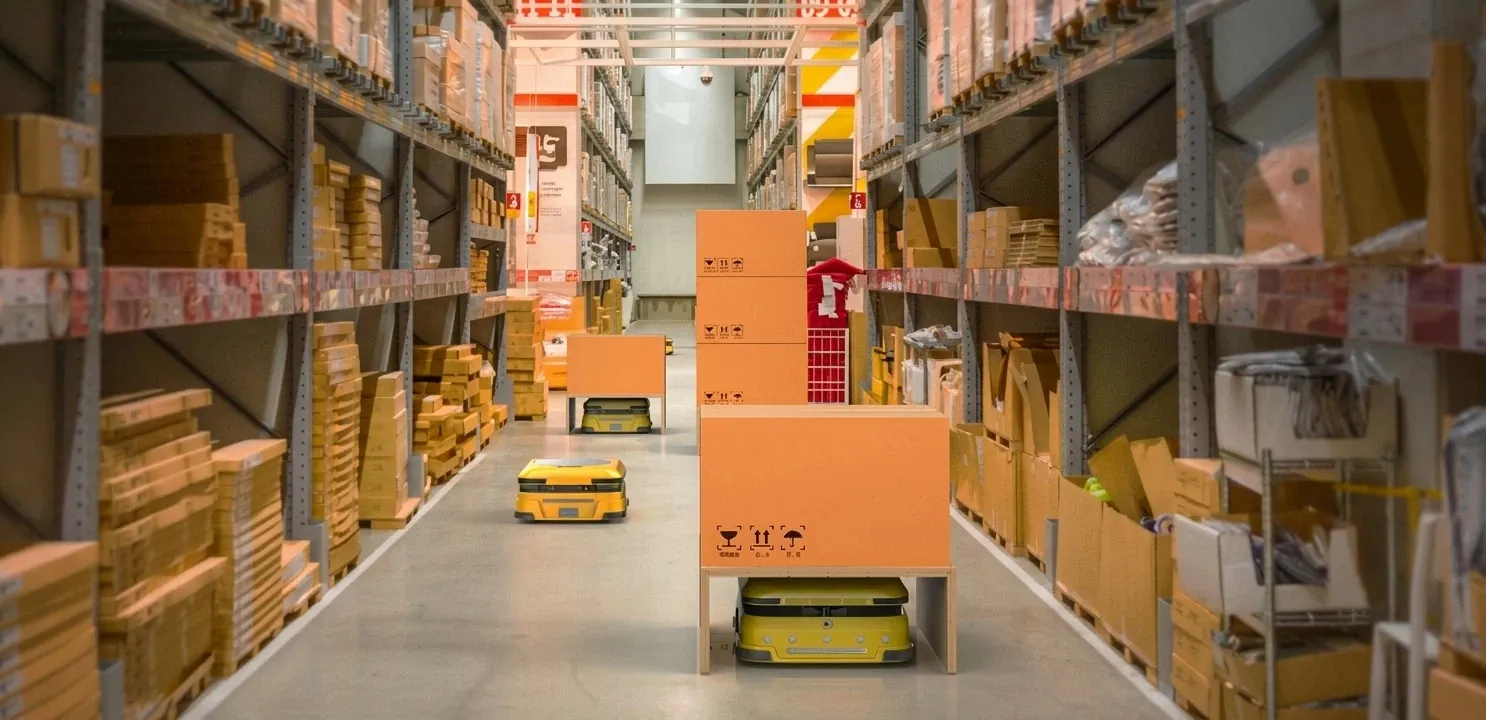
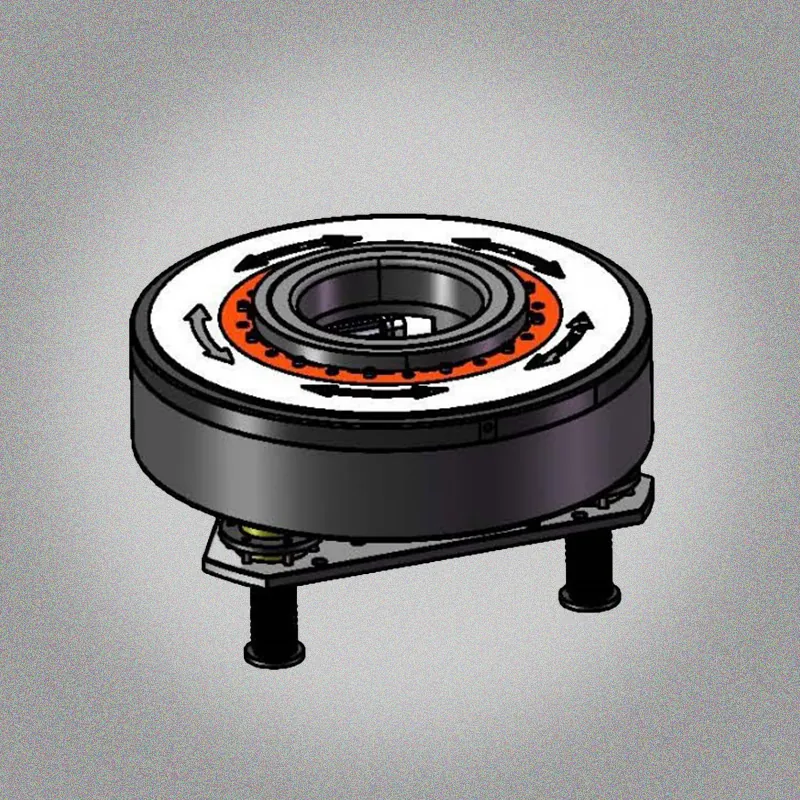
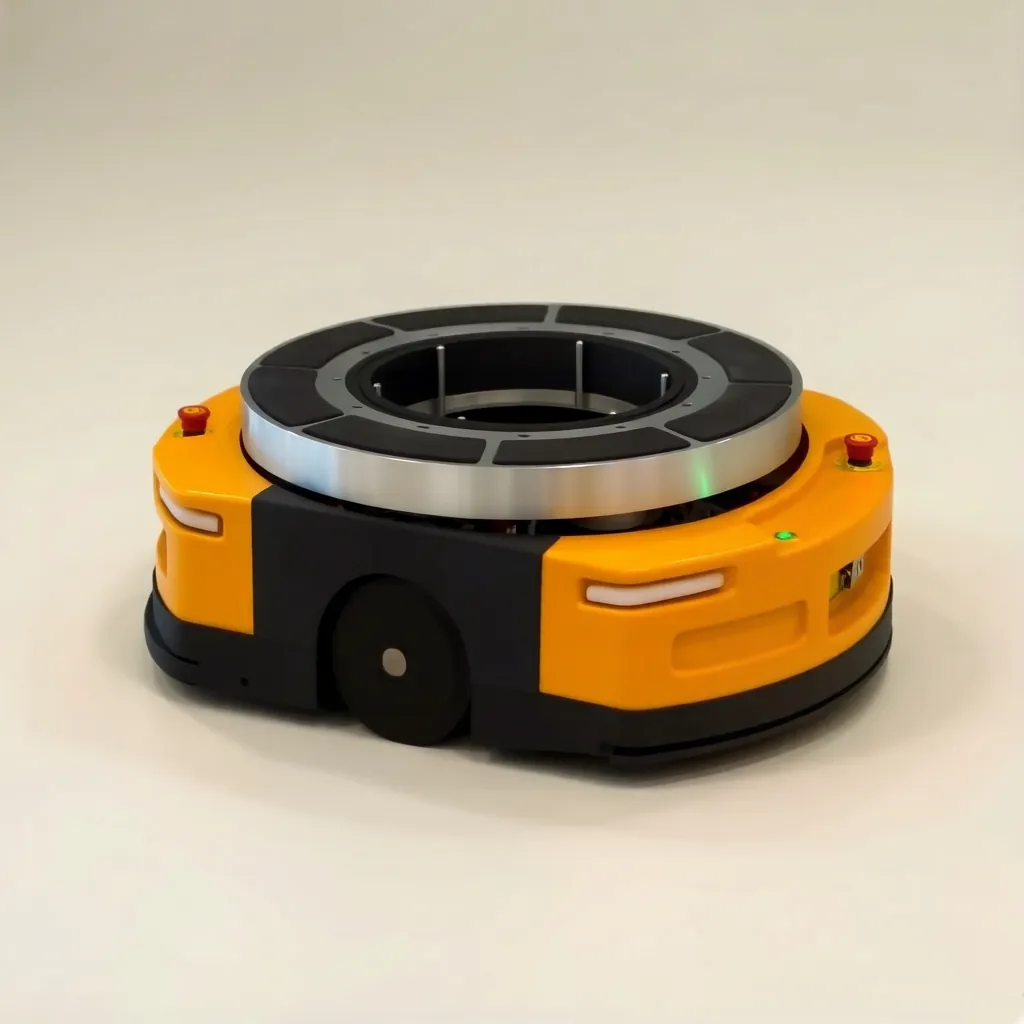
An automated guided vehicle heavy load system relies on a well-engineered mechanical structure to lift and carry goods smoothly. Houzai delivers high-performance Zhuolan drive systems that make this process seamless. The entire system uses five core components to manage heavy weights safely.
The Heavy Duty Frame
The frame acts as the structural foundation of the lifting system. It holds and stabilizes all other internal transmission parts. Manufacturers build this frame from high-strength materials. This ensures long-term durability under constant heavy stress.
The Internal Transmission Assembly
The transmission assembly sits safely inside the main frame structure. It is responsible for transferring mechanical power from the driving module directly to the lifting parts. Engineers optimize this assembly to increase efficiency, reduce noise, and minimize mechanical wear.
The Power Drive Module
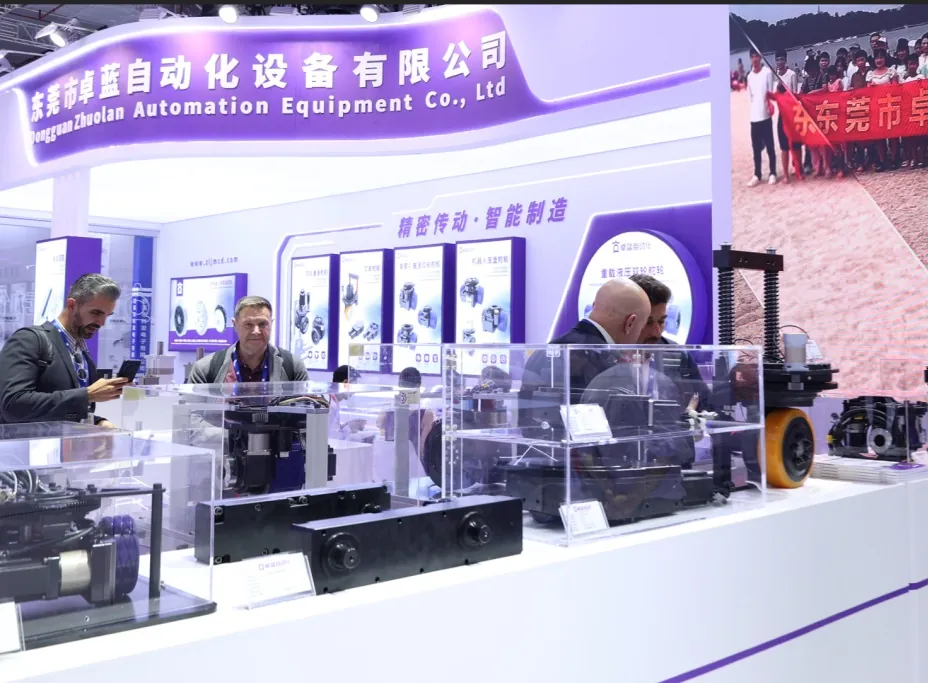
This module provides the core lifting force for the vehicle. It generally uses highly reliable, efficient electric motors or hydraulic systems as power sources. Houzai provides advanced planetary gearboxes and servo motor solutions to ensure this module delivers smooth power.
The External Cam System
Cams are carefully positioned on the outside of the frame structure. They connect directly to both the transmission assembly and the drive module. When the cams rotate, they control the precise upward and downward movement of the upper platform.
The Main Lifting Plate
The lifting plate makes direct contact with the external cam system. It is the surface that actually touches and carries the cargo. Its design matches the specific weight, dimensions, and balance requirements of industrial goods.
Steps to Execute Heavy Cargo Transport
Moving heavy goods with an automated guided vehicle heavy load system follows a strict, safe sequence to ensure operational efficiency.
- The AGV navigates precisely underneath the target pallet or heavy cargo rack.
- The internal drive module activates based on commands from the central control system.
- The drive module transfers rotational energy directly through the internal transmission assembly.
- The transmission assembly forces the external cam system to rotate.
- The rotating cams push the main lifting plate upward with uniform force.
- The lifting plate raises the heavy cargo safely off the factory floor.
- The AGV transports the load along a dynamically planned path to its destination.
Dual Cam Technology for Stability
Advanced AGV systems use a double cam group mechanism instead of a single lift point. One pair of cams operates on each side of the chassis to lift the platform at the exact same time. This dual-action design distributes weight evenly across the entire frame. It successfully overcomes off-center load issues that often tilt or damage lesser systems. Furthermore, this compact layout reduces the initial startup torque required by the motor, which extends the overall lifespan of the vehicle’s electrical components.
Intelligent Path Planning and Fleet Co-working
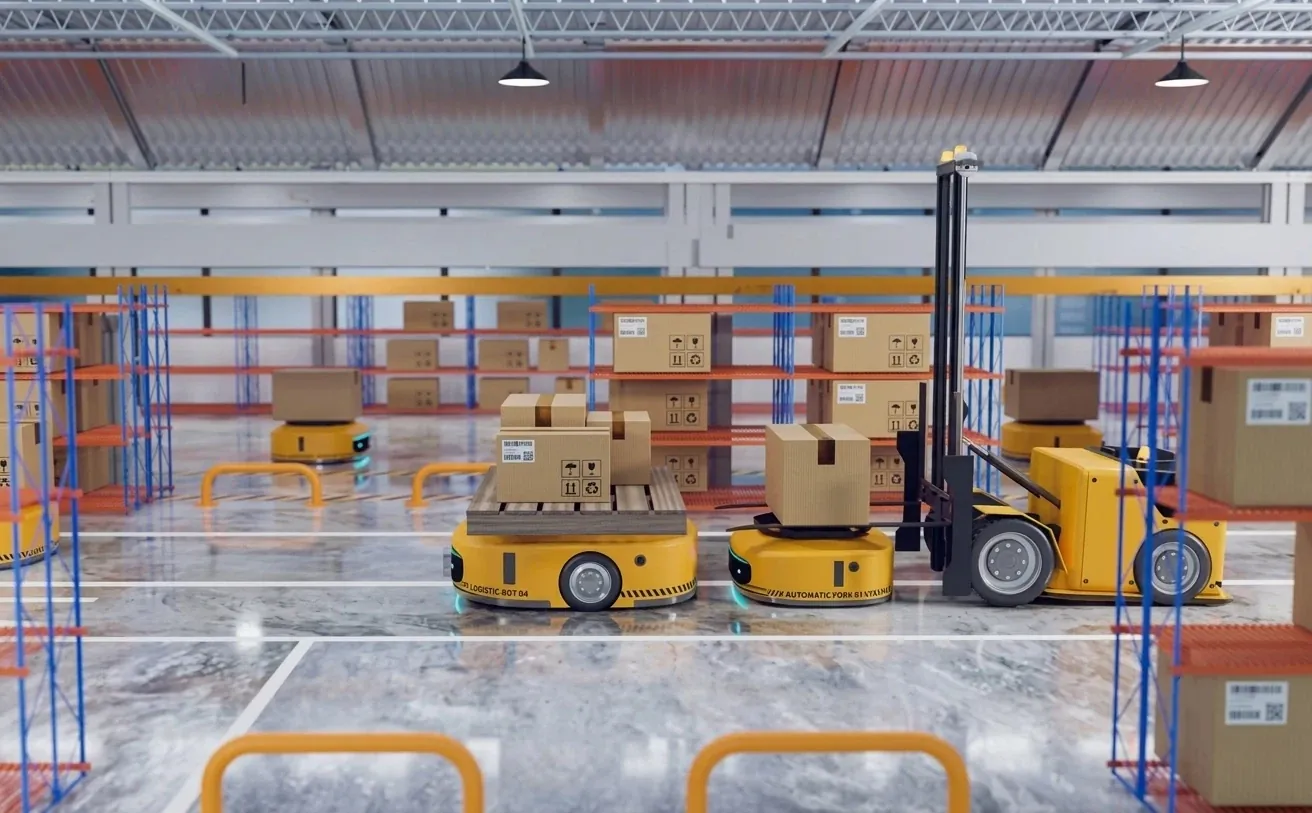
Heavy duty lifting requires smart software alongside strong hardware. Modern AGVs use onboard sensors to scan factory floors in real time. They calculate the safest paths to avoid tight corners, collisions, and narrow obstacles. When a single piece of cargo exceeds the weight limit of one vehicle, multiple AGVs can connect digitally. They lift the same load at the exact same moment to share the weight and volume pressures safely.
Custom Solutions for Special Automation Needs
Every factory floor presents unique challenges that standard equipment cannot always solve. Standard lifting plates might not fit specialized industrial machinery or oversized containers. Houzai and Zhuolan offer tailored engineering services for international buyers. Technical teams can customize larger lift platforms, increase maximum weight capacities, or develop dedicated mechanical fixtures for specific cargo types.
Frequently Asked Questions About AGV Lifting
Why is a cam-based lifting mechanism better than traditional hydraulic lifts for mid-sized AGVs?
Cam systems offer a much more compact structural height. They eliminate the risk of oil leaks, which keeps clean industrial environments safe. They also provide precise mechanical control over the lift height.
How does an AGV handle unbalanced or off-center heavy loads?
The dual cam group configuration lifts both sides of the plate simultaneously. This balancing mechanism distributes the physical stress evenly, preventing the vehicle from tipping or wearing out unevenly.
Can multiple AGVs lift a single piece of oversized cargo together?
Yes. Integrated control systems allow multiple vehicles to synchronize their drive modules and lifting plates. They communicate through low-latency wireless networks to act as a single lifting unit.
System Limitations to Consider
While a heavy duty AGV lifting mechanism offers incredible efficiency, users must respect its physical boundaries. Exceeding the maximum rated weight capacity can deform the high-strength frame over time. Extremely uneven floor surfaces can also affect cam rotation stability. Regular calibration of the internal transmission assembly is necessary to maintain perfect synchronization during heavy lifting tasks.