Selecting the right planetary gearbox gear ratio is vital for your machine performance. A correct ratio ensures your system operates at optimal efficiency and protects your equipment from premature wear. If you choose the wrong ratio, you risk mechanical failure or decreased precision.
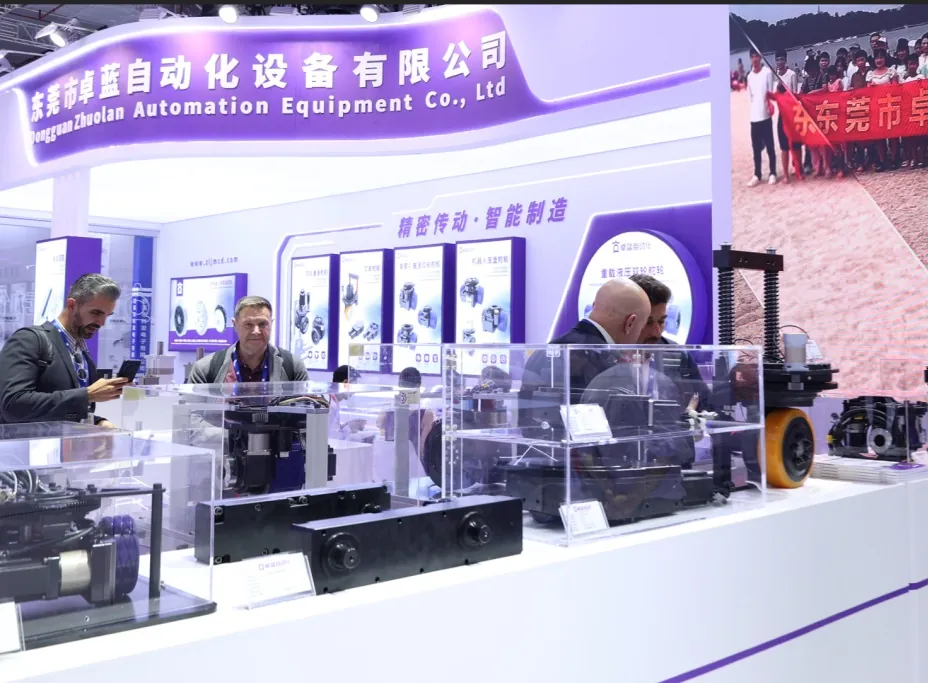
At Houzai, we provide high-quality gearboxes manufactured by Zhuolan. We focus on delivering precise solutions to our clients in the industrial automation sector. Below, we break down the three most effective methods to calculate your gear ratio.
Definition Method
The most direct way to understand gear ratio is through speed. The ratio, also known as the transmission ratio, is determined by the relationship between input and output speeds.
The formula is straightforward: Reduction ratio = Input speed / Output speed.
For example, if your motor runs at 1400 revolutions per minute and you require an output of 14 revolutions per minute, you need a gear ratio of 100. Remember that as the gear ratio increases, the output speed decreases while the output torque increases.
Universal Calculation Method
In complex industrial applications, you must often account for torque and power requirements. This method helps engineers select the right gearbox based on operational demands.
The formula is: Reduction ratio = (Using torque / Motor power) * Input speed / Service coefficient.
This method provides a more comprehensive view of how the gearbox interacts with the motor. It is essential to choose the correct service factor to avoid equipment damage, particularly if your system experiences frequent emergency stops.
Gear Train Calculation Method
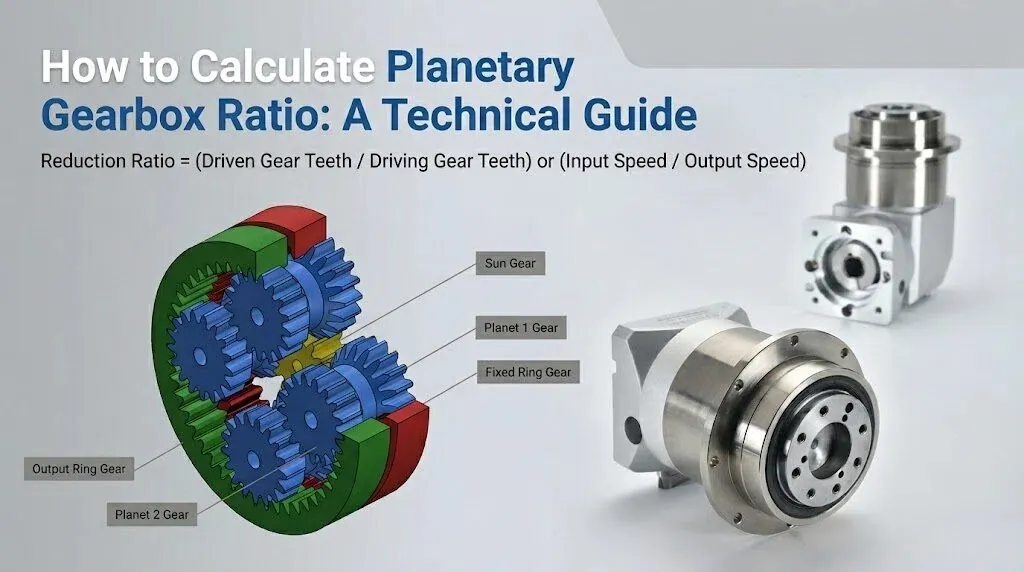
This method is useful when you have access to the internal gear specifications of your system. You can calculate the ratio based on the number of teeth on the gears involved in the transmission.
The formula is: Reduction ratio = Number of teeth on driven gear / Number of teeth on driving gear.
If your system uses multiple stages of gears, you must calculate the ratio for each stage and then multiply the results together to find the total gear ratio.

Why Precision Matters for Your Automation Project
Selecting the right planetary gearbox gear ratio is not just about basic math. It is about the safety and longevity of your industrial automation components.
If you select a large gear ratio without considering the service factor, you risk damaging the gear teeth during rapid stops. At Houzai, we emphasize the importance of safety factors to prevent such mechanical failures. Our team offers expert support to help you match your motor power with the appropriate gearbox specifications.
Frequently Asked Questions
Q: What is the primary purpose of a planetary gearbox gear ratio?
A: The gear ratio determines the balance between output speed and output torque. A higher ratio results in lower speed but higher torque for your application.
Q: Can I change the gear ratio of an existing planetary gearbox?
A: Generally, the gear ratio is fixed by the internal gear configuration. If your requirements change, it is often necessary to replace the gearbox with a unit that matches your new torque and speed needs.
Q: How do I ensure my planetary gearbox lasts longer?
A: Always use the correct service factor during calculation to prevent gear damage, especially in systems with frequent start-stop cycles. Relying on quality manufacturers like Zhuolan and expert guidance from Houzai can also improve reliability.