What Influences the Total AGV Forklift Cost?
Rising labor shortages and escalating operational expenses force modern factories to optimize warehouse logistics. Deploying autonomous vehicles presents a reliable solution to boost workplace safety and eliminate human error. The initial investment for an autonomous setup spans a wide range depending on system specifications. However, calculating your potential returns reveals that these smart machines frequently pay for themselves within months.
Vehicle Capacity and Lift Height
Heavy payloads require robust engineering and reinforced chassis frames. Greater weight capacities naturally increase production costs. Lift height operates under a similar pricing structure. High-reach stacking requires advanced stabilization sensors that increase the overall budget.
Navigation Tech and Software Integration
Navigation options include laser, vision, inertial, and magnetic systems. Laser and vision guidance offer exceptional flexibility but carry higher price tags. Furthermore, complex software suites with excessive features can inflate expenses beyond your actual operational needs. Integration with existing enterprise planning systems also requires specialized customization.
Safety Standards and Component Sourcing
Safety configurations vary greatly because global mandatory standards are not uniform. A basic vehicle might feature only one laser scanner. Premium models utilize multiple safety scanners, LiDAR, and ultrasonic radar to detect overhead obstructions. Relying on trusted trading and service teams helps factories source components that balance performance and cost.
Technical Principles Behind Reliable Autonomous Forklifts
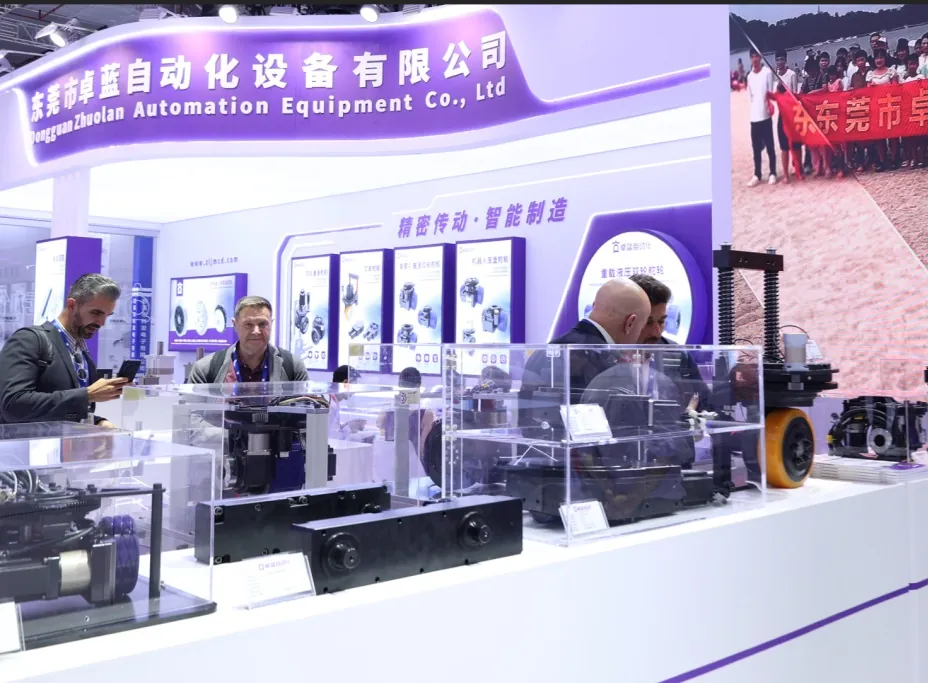
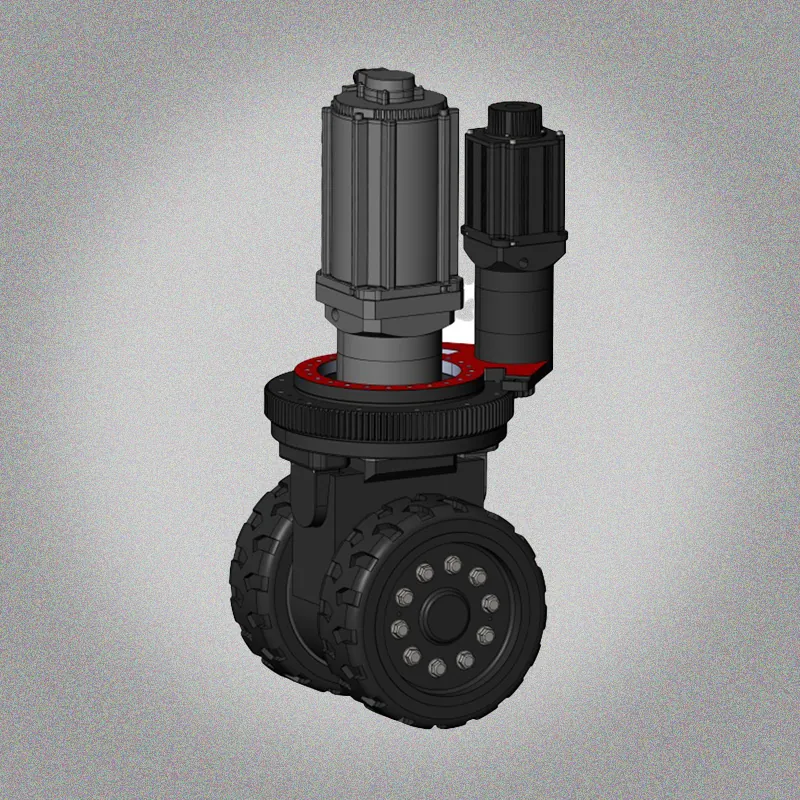
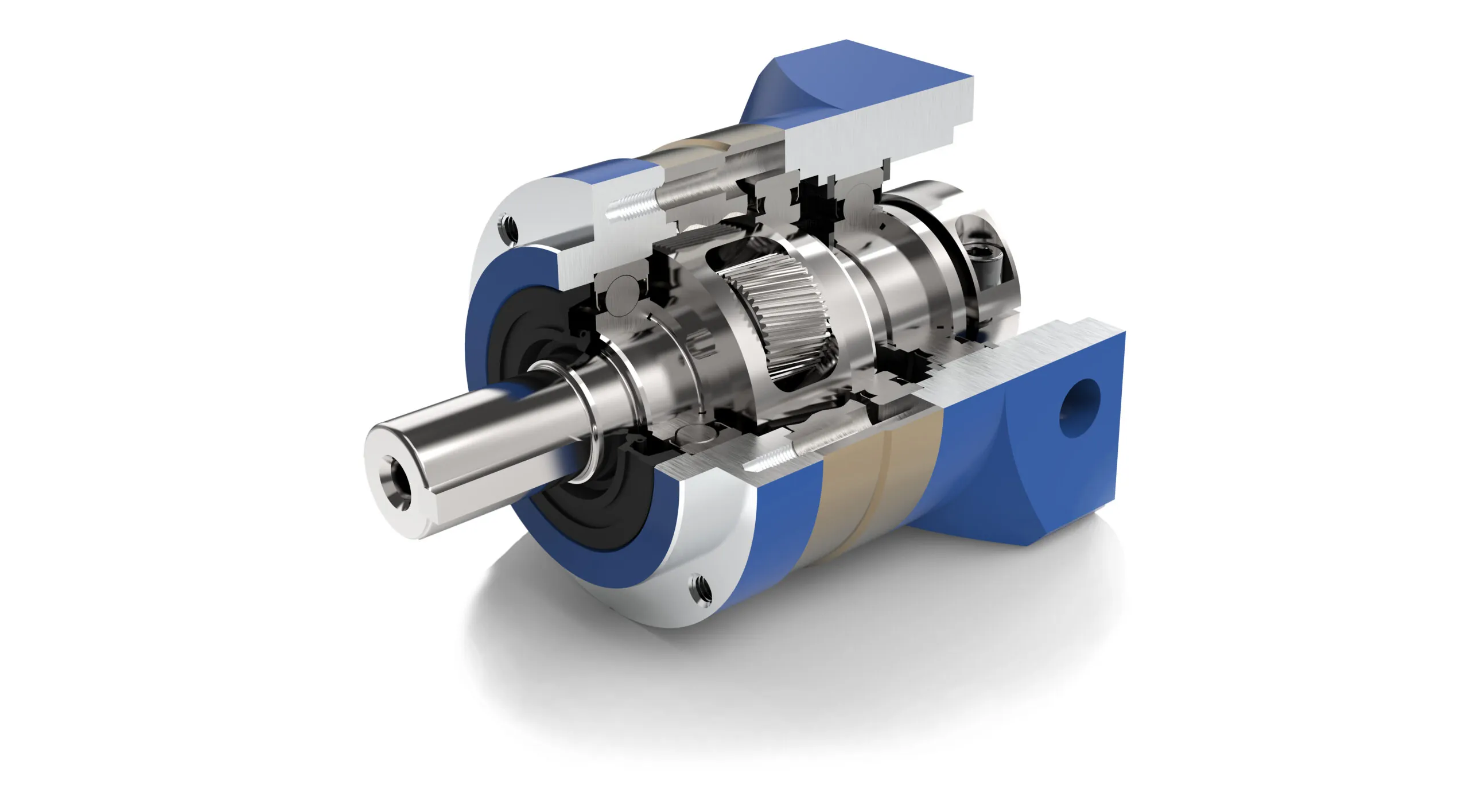
An automated forklift relies on a sophisticated network of internal components to operate smoothly. The drive unit serves as the core system of the vehicle. This unit integrates agv wheels, high-precision reducers, brakes, and drive motors. Advanced reducers ensure smooth mechanical acceleration and exact positioning during material transport. When power cuts occur, the braking device automatically applies mechanical brakes to guarantee safety.
Guidance devices receive directional information from the main navigation system. The onboard controller executes commands from the central control station and transmits real-time vehicle status back. Communication units enable continuous data exchange with ground stations for remote monitoring and scheduling. Specialized transfer mechanisms directly handle goods to ensure seamless loading and unloading across the factory floor.
Types of Automated Vehicles Available for Production Floors
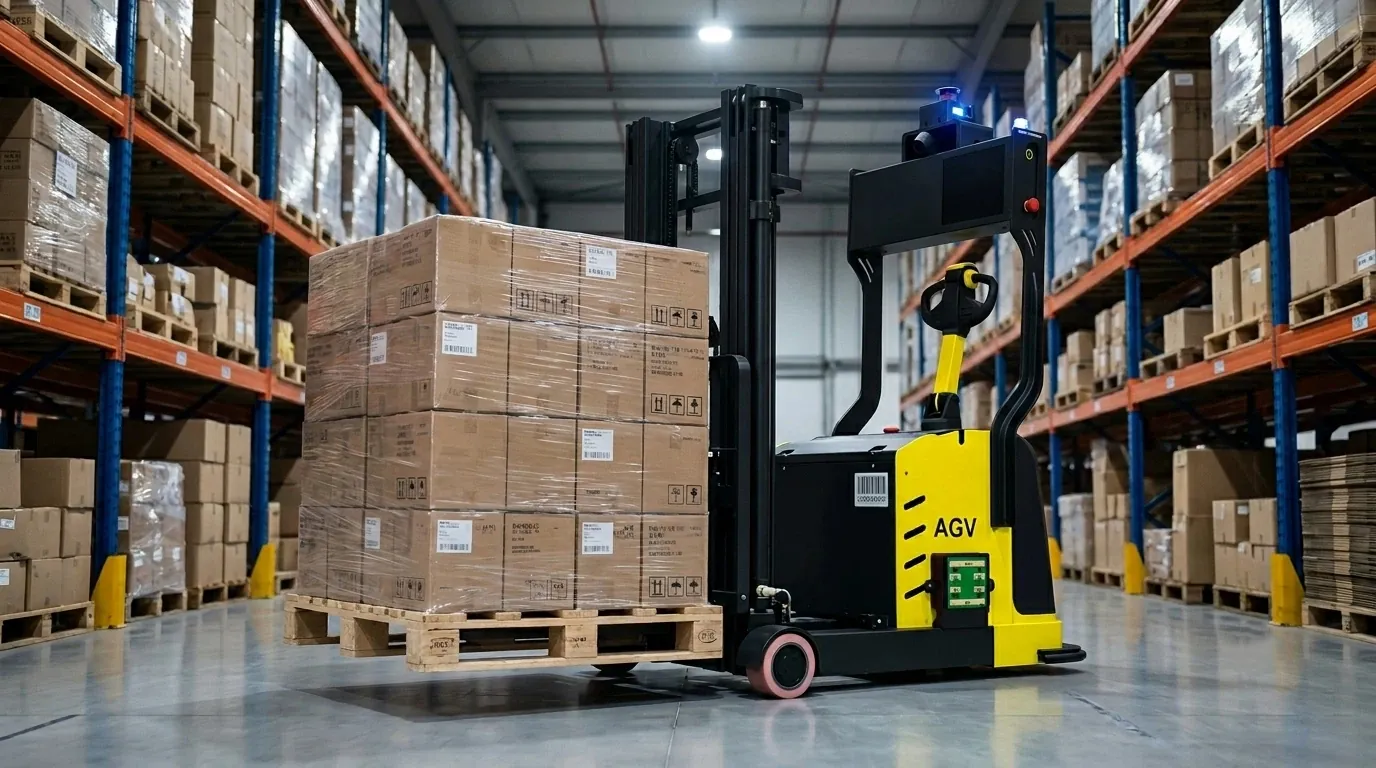
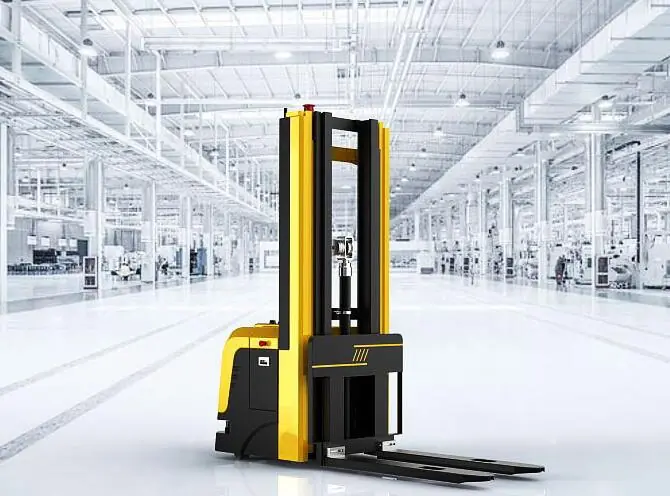
Buyers must distinguish between hybrid unmanned forklifts and pure forklift AGVs. Unmanned forklifts feature dual-mode functionality. Operators can drive them manually or switch them to autonomous operation. Conversely, pure forklift AGVs are built exclusively for automated tasks without manual controls or cabins. This structural variance alters the upfront AGV forklift cost.
Several critical variables determine the base automated guided vehicle price. Beyond the initial purchase price, businesses must consider long-term software maintenance, installation complexity, and routine repairs.
Implementing Autonomous Forklifts in 6 Steps
Integrating autonomous machinery into your warehouse requires a structured approach. Follow these six steps to ensure a successful deployment:
- Define your maximum payload weight and required lift heights.
- Select a navigation technology that fits your floor plan.
- Audit your current software systems for integration compatibility.
- Determine the number of safety scanners needed for your worker density.
- Estimate installation complexity based on fleet size and vehicle dimensions.
- Calculate your expected shift utilization to project total savings.
Application Scenarios and Financial Returns
Material handling automation delivers rapid financial returns across diverse sectors. Common industries include automotive, food manufacturing, consumer goods, pharmaceuticals, and retail fulfillment.
Facilities running two or three shifts achieve the fastest industrial automation ROI. Higher local wages accelerate the financial break-even point. Continuous twenty-four-hour operation allows machines to move materials while workers are away. This keeps assembly lines fully stocked, eliminating costly operational downtime. Reduced product damage and lower workplace accident rates further improve factory profit margins.
Operational Limitations of Modern Fleet Automation
Despite strong market growth projections, automated vehicles have specific operating limits. These systems require flat and clean floor surfaces to ensure optimal sensor performance. Sudden layout changes can also challenge older navigation models. Therefore, total human replacement remains unlikely. Most efficient facilities adopt a hybrid model that combines automated machinery with certified human operators.