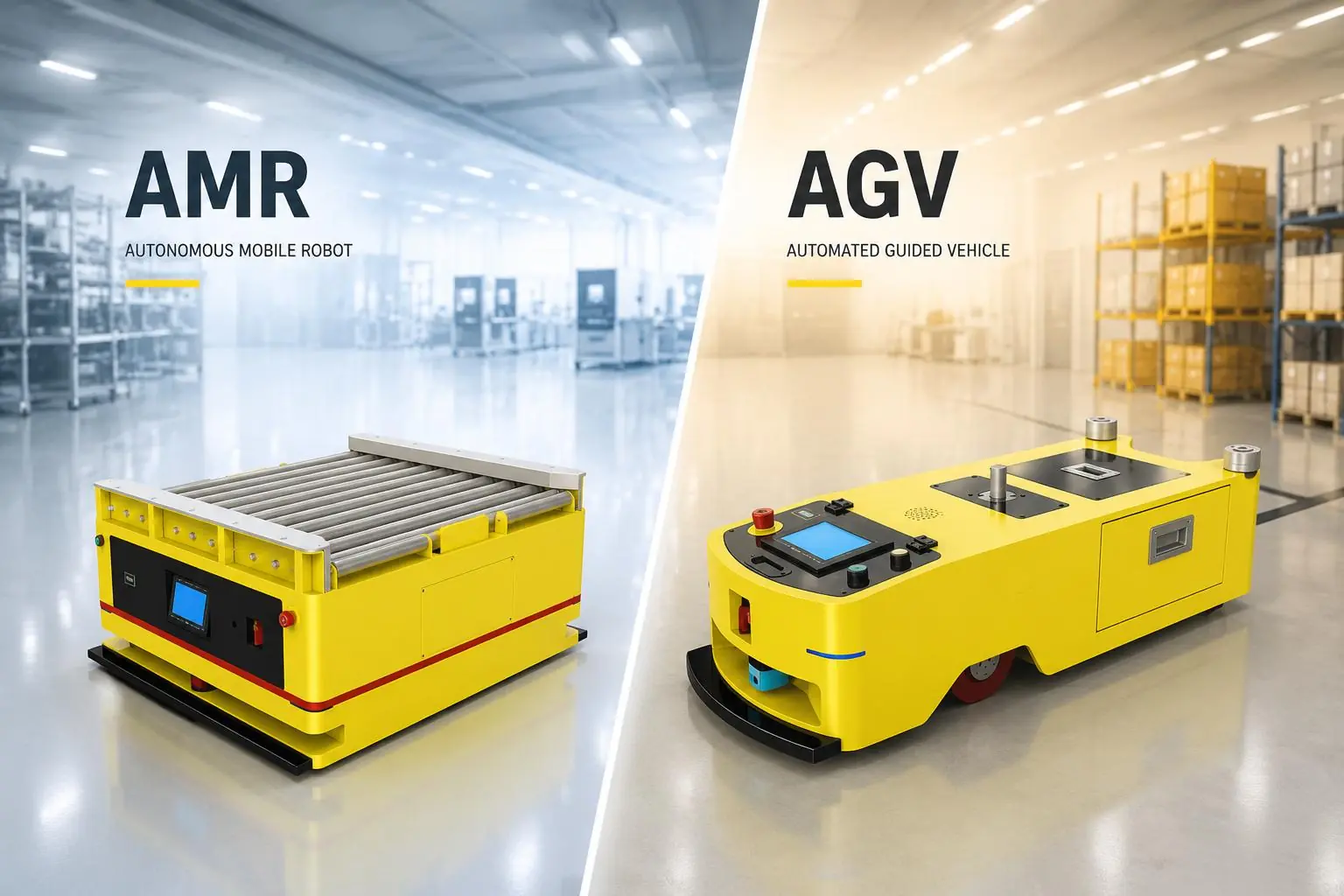
The Warehouse Automation Dilemma: AGV or AMR
Modern industrial facilities face growing pressure to optimize material handling. Warehouse managers constantly seek ways to boost efficiency while controlling operational costs. Automated guided vehicles and autonomous mobile robots have revolutionized internal logistics. However, selecting the wrong technology can lead to unexpected expenses and integration bottlenecks.
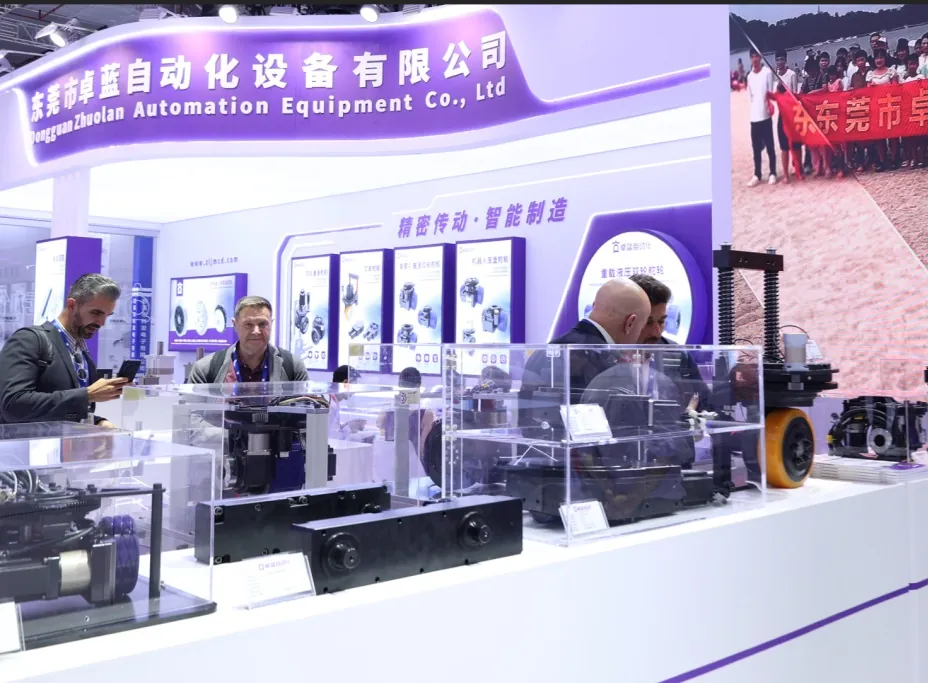
Choosing between these two systems requires a clear understanding of their technical differences, financial impacts, and operational boundaries. Houzai partners with leading manufacturers like Zhuolan to deliver high-quality, cost-effective automation components and full-scale solutions. This guide breaks down the core distinctions to help you make an informed investment.
What Is an Automated Guided Vehicle (AGV)
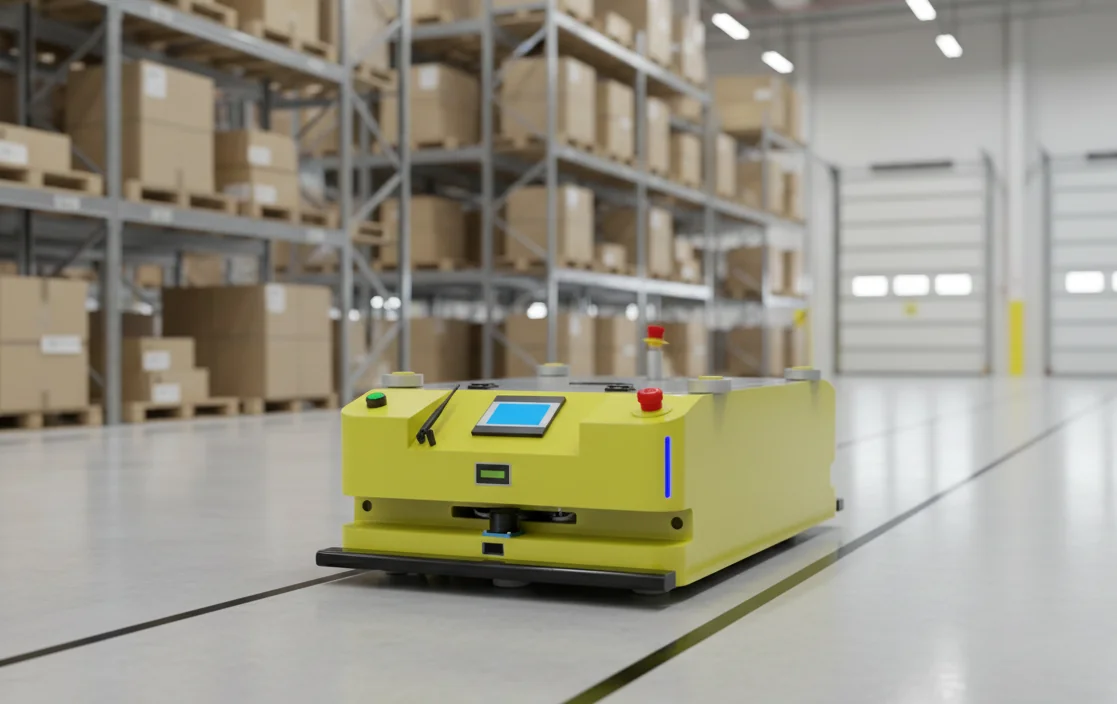
An automated guided vehicle is a transport system that moves materials along fixed, predefined tracks. These machines rely on physical guidance mechanisms such as magnetic tape, QR codes, or laser wires embedded in the warehouse floor.
Advantages of AGV Systems
AGVs excel in structured environments where predictability is paramount. Because they follow fixed paths, their routing logic remains simple and highly stable. This predictability ensures consistent cycle times for mass production facilities, such as automotive assembly lines. From a budgetary perspective, AGVs feature lower upfront technology costs, making them an economical choice for stable operations.
Limitations of AGV Systems
The primary constraint of an AGV is its rigidity. If a production layout changes, the physical guidance tracks must be redesigned and reinstalled, leading to operational downtime. Additionally, AGVs cannot navigate around obstacles independently. If an object blocks the track, the vehicle stops and waits for manual intervention, which can slow down overall workflow efficiency.
What Is an Autonomous Mobile Robot (AMR)
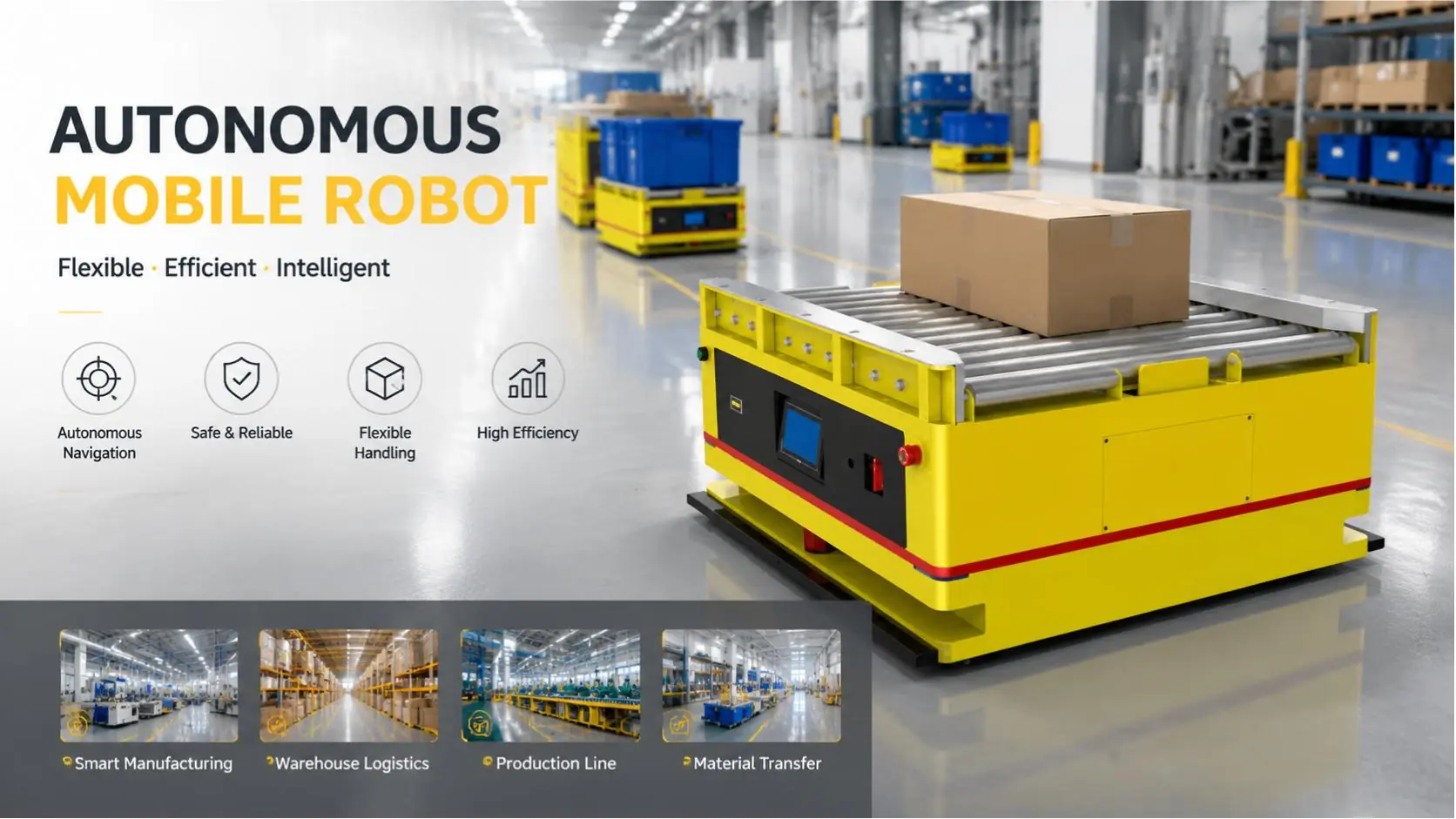
An autonomous mobile robot is a next-generation transport vehicle that navigates dynamically without physical infrastructure. AMRs use advanced onboard sensors, LiDAR, and cameras to build digital maps and plan their own routes in real time.
Advantages of AMR Systems
AMRs offer exceptional operational flexibility. They adapt to changing warehouse layouts instantly without requiring track modifications. These intelligent robots integrate with Warehouse Management Systems to adjust task priorities on the fly. Furthermore, their advanced obstacle-avoidance capabilities allow them to safely bypass unexpected obstructions, ensuring continuous workflow in dynamic spaces.
Limitations of AMR Systems
The advanced technology embedded in AMRs leads to a higher initial purchase price. Sophisticated components like LiDAR sensors and vision systems require a larger upfront capital expenditure. Additionally, maintaining these complex robotic systems demands specialized technical expertise, which often requires dedicated engineering support or premium manufacturer service contracts.
Key Differences Between AGV and AMR Systems
Understanding how these technologies perform under identical facility conditions is essential for making the right choice.
| Operational Feature | Automated Guided Vehicle (AGV) | Autonomous Mobile Robot (AMR) |
| Navigation Method | Fixed paths (Magnetic tape, QR codes) | Dynamic mapping (LiDAR, Cameras) |
| Flexibility | Low; requires infrastructure changes | High; adapts instantly via software |
| Obstacle Handling | Stops and waits for manual clearance | Dynamically navigates around objects |
| Initial Investment | Lower upfront hardware cost | Higher upfront technology cost |
| Deployment Time | 2 to 4 weeks for basic path setup | 4 to 8 weeks for environment modeling |
How to Choose the Right Solution in 5 Steps
Selecting the ideal robotic system depends entirely on your specific facility layout, budget, and operational goals. Follow these five steps to evaluate your needs:
1.Evaluate Layout Stability
Analyze how often your warehouse floor plan changes. If your material handling routes remain identical for years, a fixed AGV system offers excellent stability. If you reconfigure your racking or assembly zones frequently, the infrastructure-free navigation of an AMR is necessary.
2.Calculate Traffic Density and Obstacles
Assess the presence of human workers and forklifts in your aisles. Congested, fast-moving environments benefit from the proactive obstacle-avoidance systems found in AMRs. Clear, dedicated lanes with minimal foot traffic allow AGVs to operate at peak efficiency.
3.Analyze the Upfront and Long-Term Budget
Compare immediate capital availability with long-term return on investment. Basic magnetic AGVs generally range from 100,000 to 200,000 RMB per unit, offering a shorter payback period of two to three years for stable setups. Premium AMRs typically cost between 300,000 and 500,000 RMB per unit due to their advanced guidance systems.
4.Assess Internal Technical Capabilities
Review the expertise of your current maintenance team. AGVs feature simpler mechanical and electronic architectures, making them easy to service locally. AMRs rely heavily on software integration, meaning your team will need specialized training or ongoing support agreements.
5.Plan for Future Scalability
Consider your long-term business expansion. If you plan to add more robots gradually across multiple facilities, AMRs allow you to deploy new units via software fleet updates. AGVs will require additional physical track installation for every expansion phase.
The Future Trend: Hybrid Deployment Models
As industrial demands evolve, the choice is no longer strictly binary. Many forward-thinking enterprises now adopt hybrid deployment strategies. By utilizing reliable AGVs for heavy, repetitive long-distance hauling and deploying flexible AMRs for agile sorting and picking, facilities maximize both cost efficiency and operational safety.
At Houzai, we bridge the gap between high-end performance and cost-effectiveness. As the core partner of Zhuolan, we provide premium speed reducers, servo motors, and specialized mechanical components that power both AGV and AMR systems worldwide. Whether you need a robust, budget-friendly guided vehicle or a highly intelligent autonomous fleet, our technical support team delivers tailored, one-stop automation solutions to optimize your supply chain.