The Rising Costs of Traditional Manual Material Handling
Modern industrial environments move at a fast pace. Traditional manual material handling is often slow and labor intensive. Human operators face physical limits and fatigue. These factors lead to errors and misplaced inventory. In a competitive market, even small delays in the supply chain can reduce profit margins. Many manufacturers now seek smarter ways to move goods without the inconsistencies of a manual workforce. Automated Guided Vehicles (AGVs) provide the necessary transition toward a more reliable and scalable logistics model.
5 Ways AGV Technology Enhances Industrial Throughput
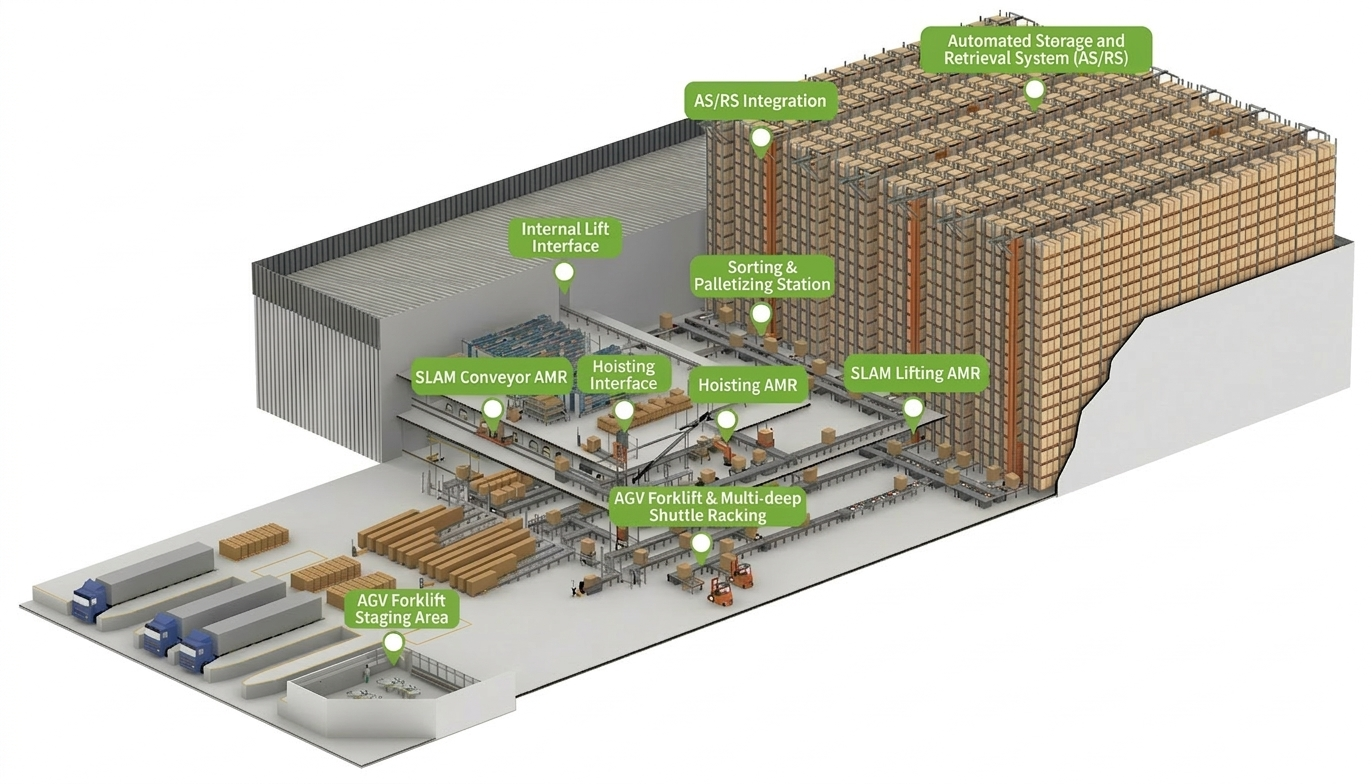
Automated systems bridge the gap between production and storage. They integrate sensors and AI to navigate complex floors without human input.
Breaking Time Constraints with 24/7 Operation
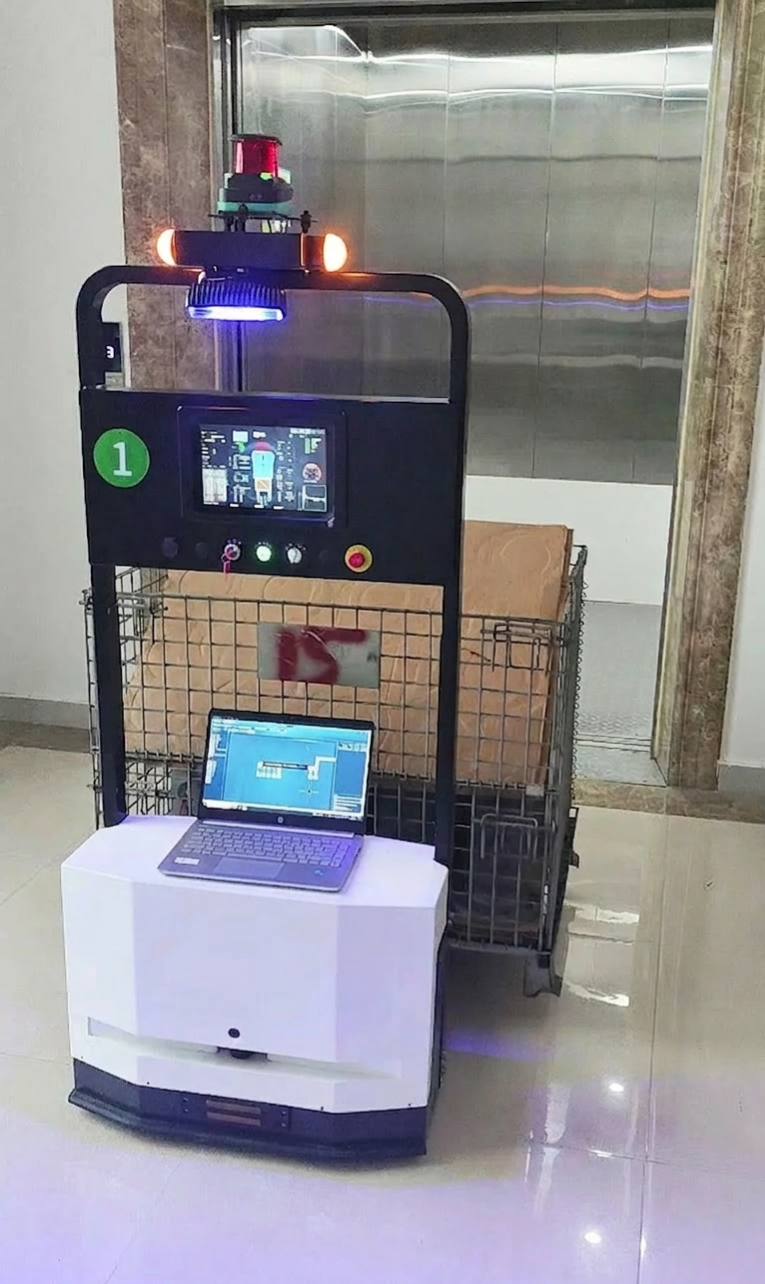
Human workers require breaks and shift changes. AGVs can run 24 hours a day without stopping. They ensure that production lines remain active during nights and weekends. This constant movement significantly increases the total volume of goods handled each week.
Achieving Accuracy with Precision Navigation
Advanced AGVs use laser or magnetic navigation to find their way. This technology allows them to position themselves within millimeters of their target. Precision reduces the risk of goods being damaged during transport. It also ensures that every item reaches the correct destination every time.
Reducing Bottlenecks via Path Optimization
Smart software calculates the most efficient route for every task. The system avoids congested areas and chooses the shortest distance to save time. This dynamic planning prevents traffic jams on the factory floor. It keeps the flow of materials smooth and predictable.
Scaling Production with Multi-Vehicle Coordination
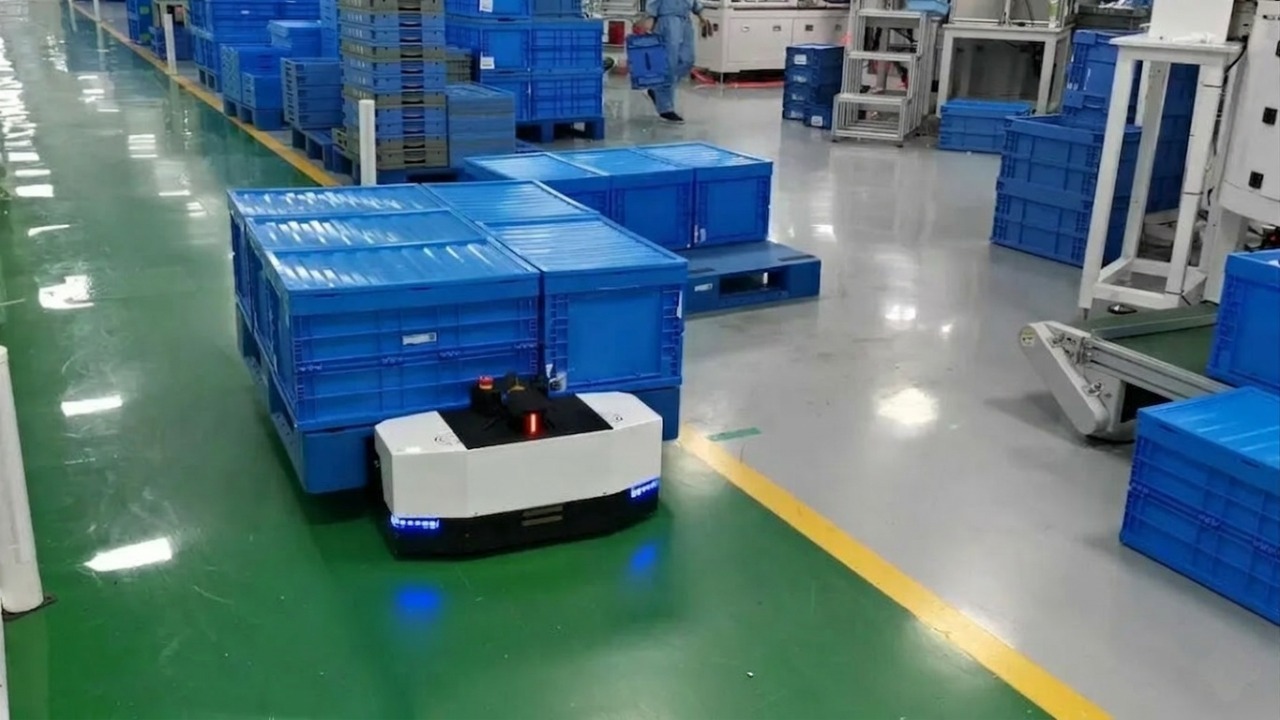
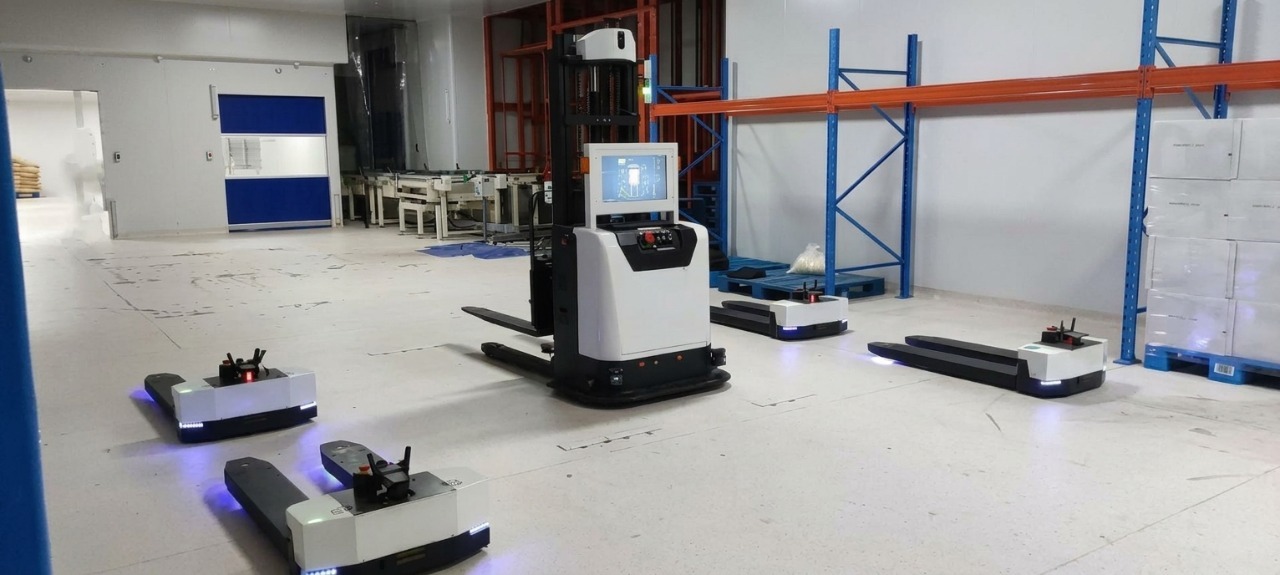
Large facilities often use dozens of robots simultaneously. A central control system assigns tasks and coordinates movements. This synergy allows the fleet to handle multiple complex requests at once. It turns a single-task process into a high-speed parallel operation.
Lowering Long-term Expenses through Automation
Initial investments in automation pay off through reduced operational costs. AGVs require less maintenance than heavy manned machinery. They eliminate the high costs associated with recruiting and training forklift operators. Businesses can then reallocate their human talent to more strategic roles.
A 6-Step Guide to Implementing AGVs in Your Facility
Success in automation requires careful planning. Follow these steps to integrate AGVs effectively.
- Analyze your current material flow to identify bottlenecks.
- Define the weight and size requirements of your typical loads.
- Select a navigation method that fits your floor environment.
- Choose high-quality mechanical components for long-term durability.
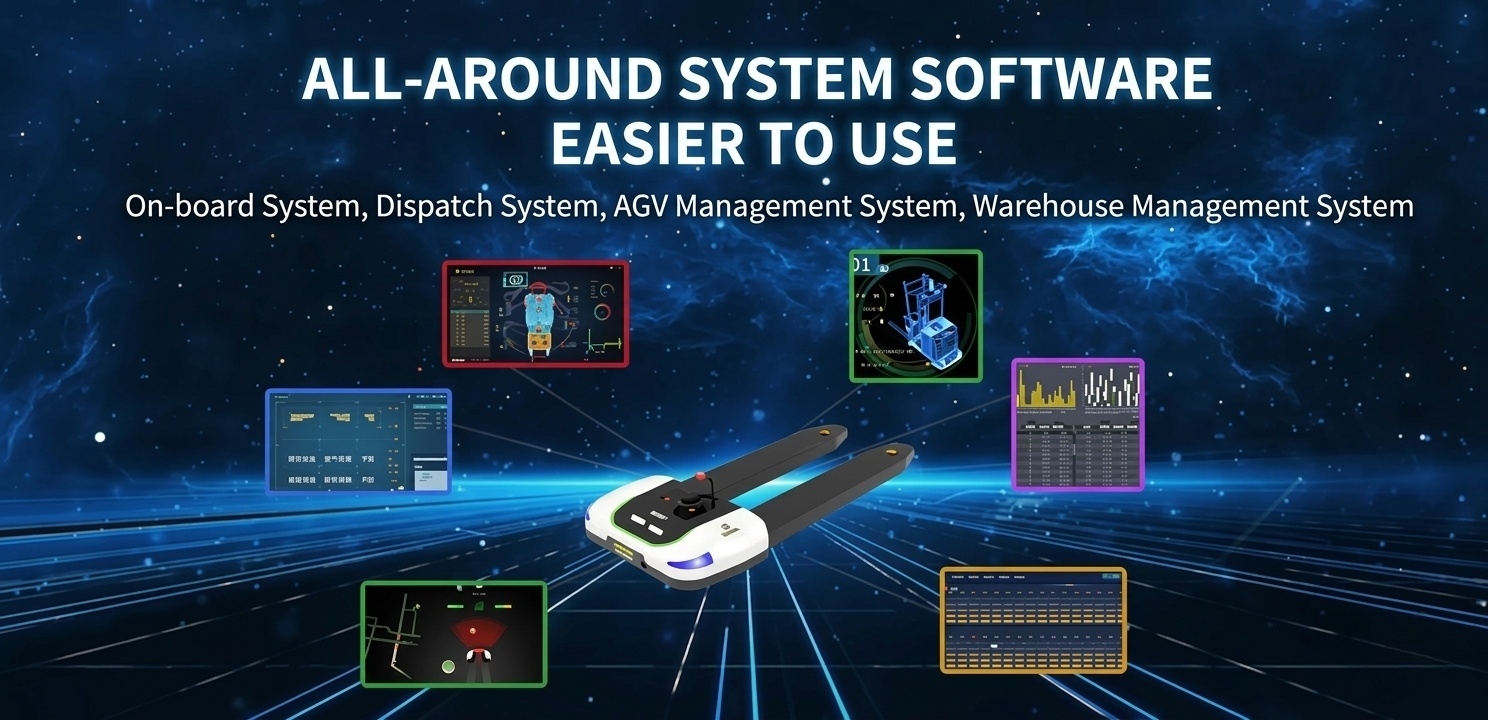
- Integrate the AGV software with your existing warehouse management system.
- Conduct safety tests to ensure robots interact correctly with human staff.
Why Component Quality Defines AGV Reliability
The performance of an AGV depends on its internal hardware. High-precision planetary gearboxes are the core of smooth movement. These components ensure that the robot starts and stops with perfect control. As a core agent for Zhuolan, Houzai offers specialized gearboxes and motor solutions designed for heavy industrial use. Reliable hardware prevents mechanical failures that can stop an entire production line. Choosing robust components from the start protects your investment and ensures a better return.
Current Limitations and Considerations for Automation
While AGVs offer many benefits, they have certain limits. They perform best on flat, stable surfaces. Extremely rugged or uneven outdoor terrain can challenge standard sensors. Additionally, the initial setup requires a clear digital map of the facility. Manufacturers must also ensure their staff is trained to work alongside automated systems safely. Addressing these factors early ensures a smoother transition to an automated future.
Frequently Asked Questions about AGV Efficiency
Q: How does an AGV improve warehouse safety?
A: AGVs use built-in sensors to detect obstacles and people. They stop automatically to prevent collisions, making the floor safer than manual forklift zones.
Q: Can AGVs work in specialized industries like pharmaceuticals?
A: Yes, they are widely used in the food and medicine sectors. Their precise movements help maintain hygiene standards by reducing human contact with sensitive products.
Q: What is the expected lifespan of an industrial AGV?
A: With quality components like Zhuolan gearboxes, these robots are built for years of continuous service. Regular software updates and simple mechanical checks further extend their life.