Choosing the Right Robot for Your Floor
Imagine a busy factory floor. Workers are rushing. Forklifts are honking. Pallets are everywhere. This is a common scene in growing manufacturing hubs. You know you need automation. However, looking at the market, the choices are overwhelming. There are too many types of robots.
You might ask: “Which AGV (Automated Guided Vehicle) is right for my budget?“
At Houzai, we understand that smart manufacturing must also be cost-effective. You do not need the most expensive robot. You need the right one. We specialize in high-quality motion control and AGV solutions that offer great value.
Here is the most comprehensive breakdown of the five main Industrial AGV types. This guide will help you choose the perfect partner for your warehouse.
1. The Forklift AGV: “The Heavy Lifter”
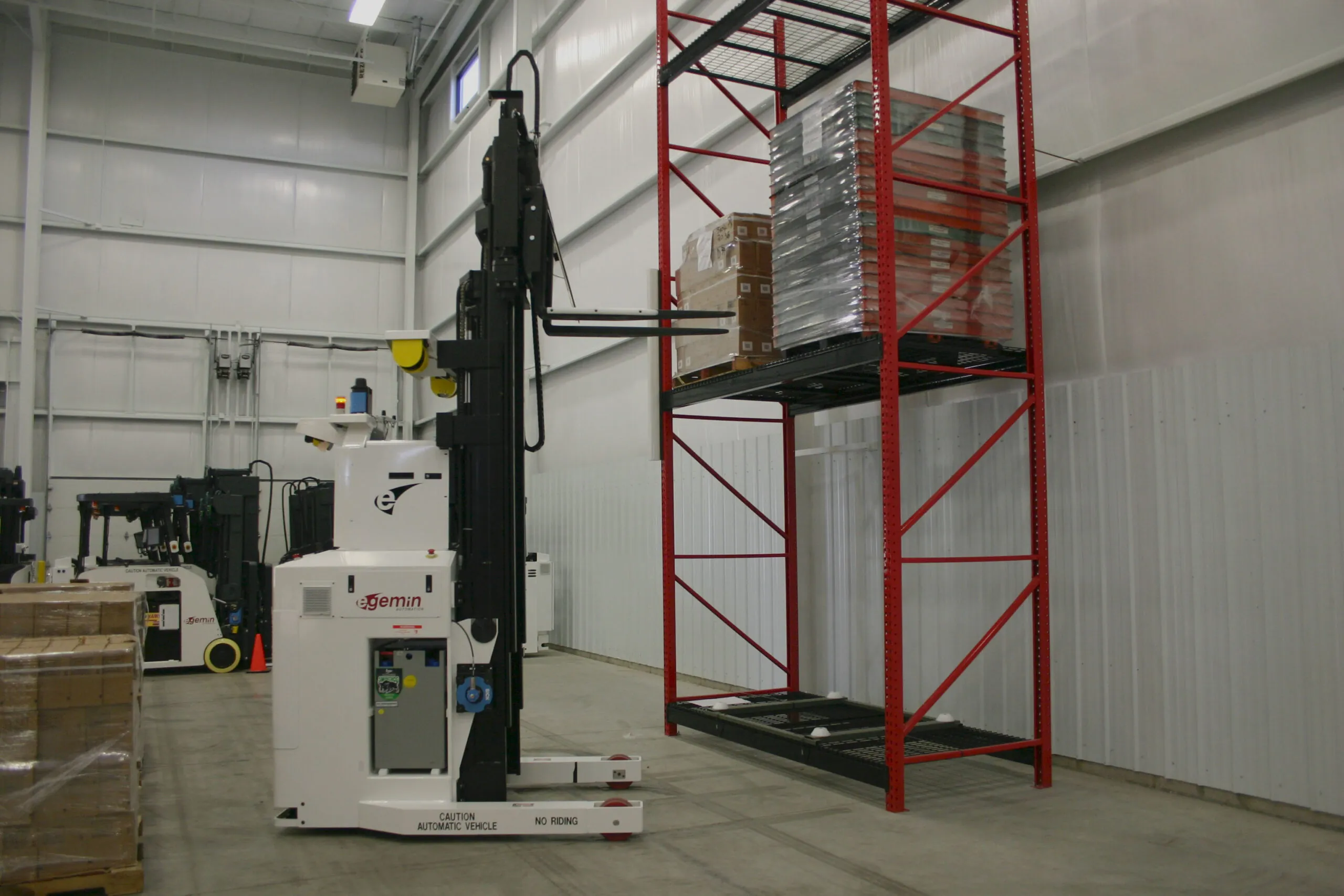
Do you need to move heavy pallets or stack goods high on shelves? The Forklift AGV is your best choice. Think of this as a traditional forklift, but with a smart brain. It does not need a human driver. It lifts hundreds of kilograms effortlessly. It places them exactly where they belong.
Pros
- Strong: It handles heavy loads and large items easily.
- High Reach: Perfect for stacking goods in vertical warehouses.
- Versatile: It adapts to different pallet sizes.
Cons
- Floor Requirements: It needs a smooth, flat floor to operate safely.
- Size: It is bulky. It does not fit well in tight, narrow aisles.
Best Usage Scenario
This is ideal for warehouses with high shelves. If your factory moves heavy pallets of raw materials, the Forklift AGV is your “Iron Giant.”
2. The Towing AGV: “The Factory Train”
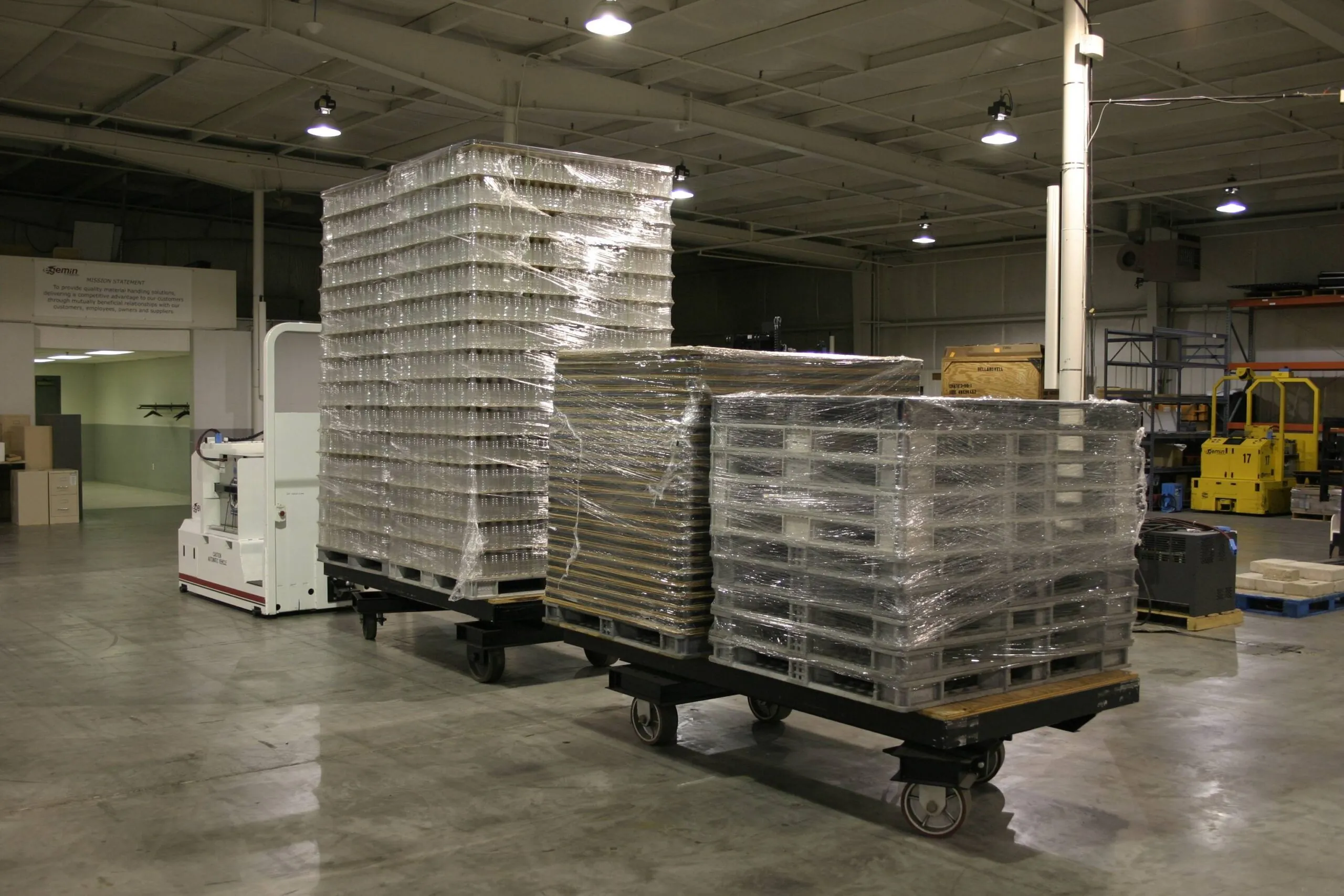
Imagine a small train moving through your plant. This is the Towing AGV. It does not carry the load on its back. Instead, it pulls a train of carts behind it. This is the king of efficiency for long distances. It brings materials to multiple stations in one trip.
Pros
- High Capacity: It moves many goods at once.
- Distance Runner: Best for long transport routes across large factories.
- Cost-Effective: It is often cheaper than buying multiple individual lifting robots.
Cons
- Turning Radius: Like a train, it needs room to turn. It is not for tight corners.
- Fixed Routes: It usually follows a set path and is less flexible to sudden changes.
Best Usage Scenario
This is perfect for the automotive industry or appliance manufacturing. If you need **cost-effective warehouse automation** to move parts from the warehouse to the assembly line, choose the Towing AGV.
3. The Unit Load (Piggyback) AGV: “The Backpacker”
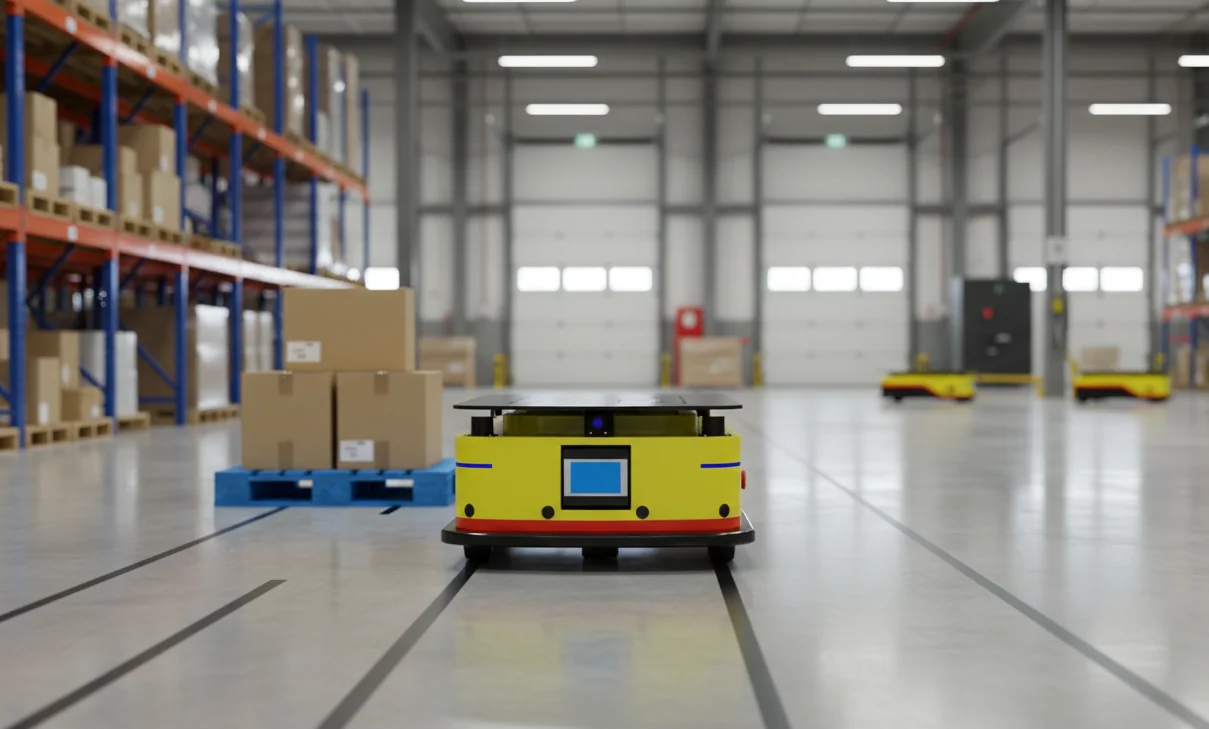
This robot is different. It does not lift like a forklift or pull like a train. It carries the box or product directly on its “back.” The Unit Load AGV is great for point-to-point transport. It is distinct from the Forklift AGV because it is often smaller and more agile.
Pros
- Agile: It moves easily through narrow spaces.
- Seamless Integration: It connects smoothly with roller conveyors on production lines.
- Lower Cost: Generally cheaper to maintain than a large forklift AGV.
Cons
- Weight Limit: It cannot carry extremely heavy loads.
- Stability: The cargo must be placed carefully to stay balanced.
Best Usage Scenario
This type shines in electronics manufacturing or food processing. It is perfect for moving semi-finished goods between workstations.
4. The Latent (Submerged) AGV: “The Stealth Expert”
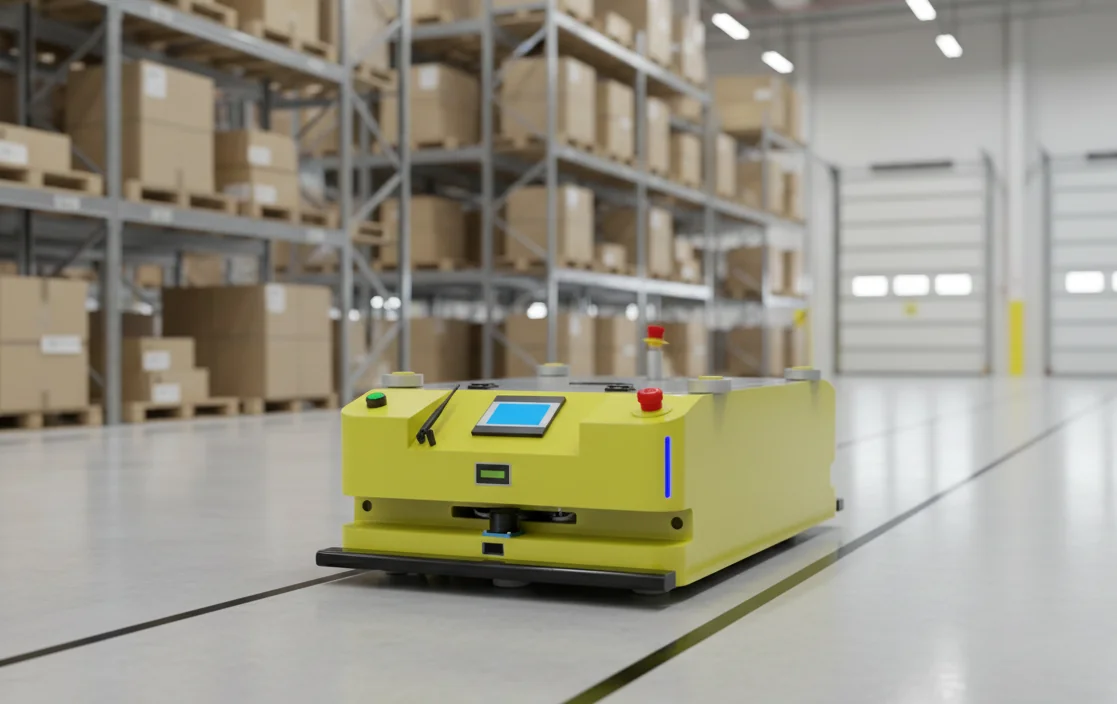
This is the “Hidden Hero” of modern factories. The Latent AGV is low and flat. It drives underneath a rack or cart. Then, it lifts the cart up and drives away. You often see these in videos of massive e-commerce warehouses.
Pros
- Space Saving: It is low-profile and hides under the goods.
- High Efficiency: It moves fast and changes tasks quickly.
- Flexible: Great for dynamic environments where needs change often.
Cons
- Compatibility: Your racks and carts must be designed to fit the robot.
- Payload: While strong, it has limits compared to the Forklift AGV.
Best Usage Scenario
These are excellent for 3C (Computer, Communication, Consumer Electronics) manufacturing. If you want a flexible, modern factory floor, this is a top choice for Automated Guided Vehicle selection.
5. The Intelligent Conveyor AGV: “The Courier”
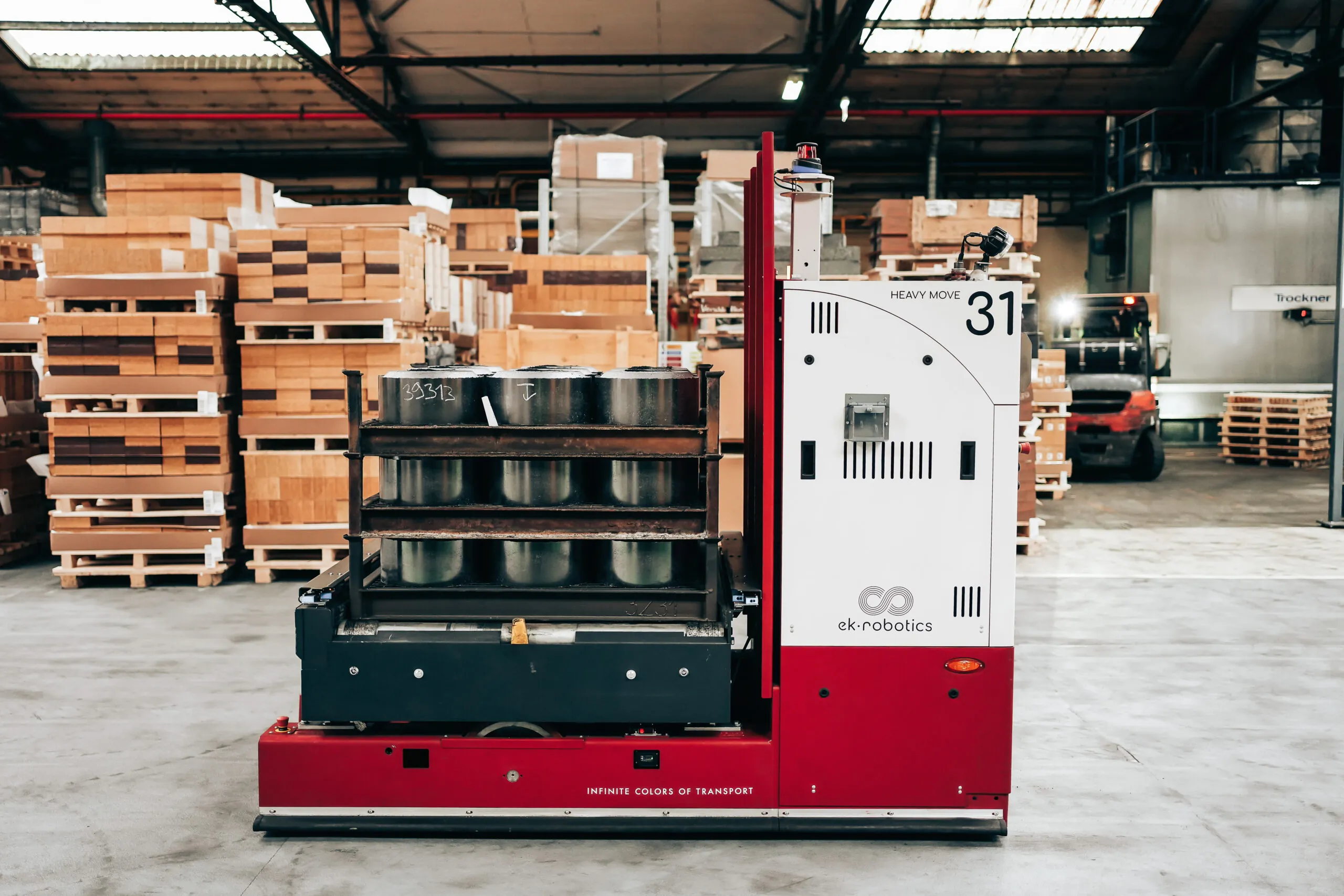
Does your factory need to send small parts to many different people? The Intelligent Conveyor AGV is like a delivery driver. It is small, fast, and smart. It uses advanced navigation to find its own way without floor tape.
Pros
- Smart Navigation: It does not need a fixed path. It avoids obstacles automatically.
- Speed: excellent for frequent, small deliveries.
- Data Driven: It often works with AI to optimize routes.
Cons
- Light Loads Only: It is not for heavy lifting.
- Investment: The advanced technology can have a higher initial cost.
Best Usage Scenario
Use this in semiconductor factories or hospitals. It is perfect for delivering precise components to specific workstations.
How to Choose With Houzai
With so many options, how do you decide? Houzai recommends looking at your specific pain points.
- Heavy Pallets? Choose the Forklift AGV.
- Long Distance Bulk Moving? Choose the Towing AGV.
- Tight Spaces? Choose the Unit Load (Piggyback) AGV.
- Flexible Assembly Lines? Choose the Latent AGV.
- Small, Frequent Trips? Choose the Conveyor AGV.
At Houzai, we provide the core components that make these machines run reliably. Our motors, reducers, and drive systems are built to last. We offer the durability of premium brands but at a price that respects your budget.
Automation does not have to be complicated. By understanding these Industrial AGV types, you are ready to upgrade your facility. Start small, choose wisely, and watch your efficiency grow.
Ready to optimize your factory? Contact Us today to discuss your automation needs.