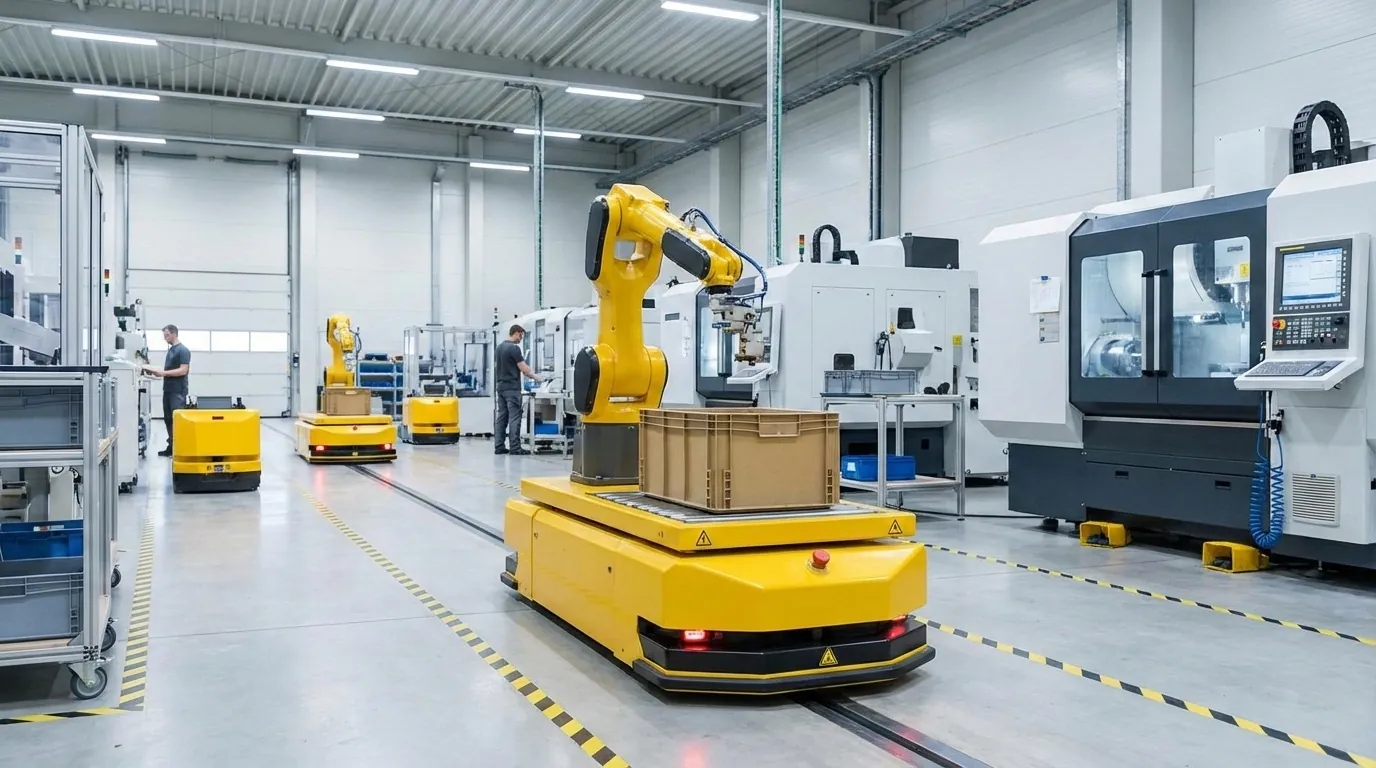
The global manufacturing landscape is changing fast. Factories are moving toward smarter, more automated systems to stay competitive. At the heart of this shift is the AGV, or Automated Guided Vehicle. These smart machines are no longer just luxury items for giant corporations. Today, industrial automated guided vehicles are essential tools for any business looking to scale.
For companies like Houzai, providing high-quality AGV products means helping businesses bridge the gap between manual labor and full automation. By focusing on custom AGV solutions, manufacturers can address specific pain points that standard equipment often misses.
What are Industrial Automated Guided Vehicles?
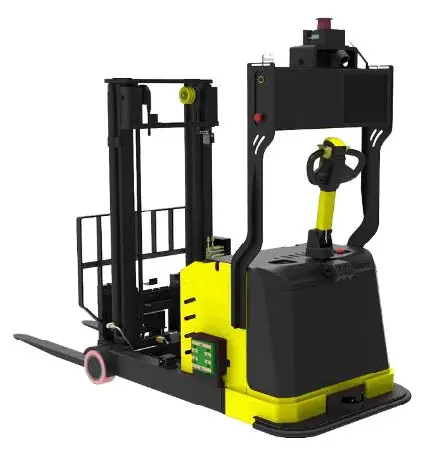
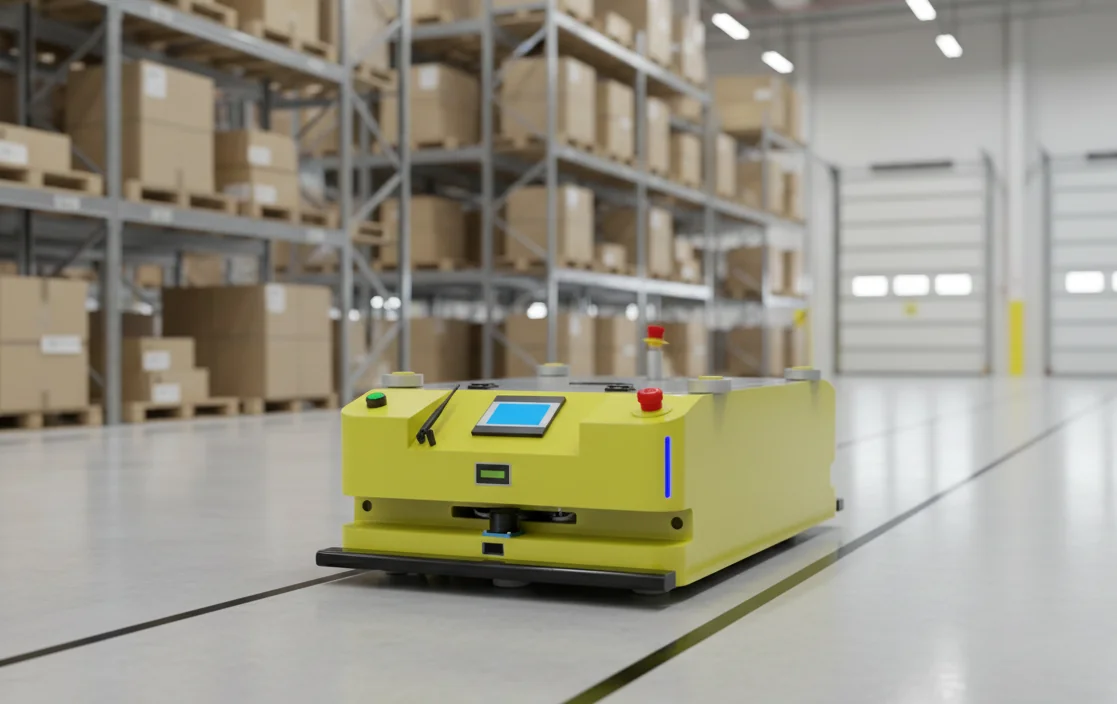
Industrial automated guided vehicles are mobile robots used to move materials in a facility. They follow marked lines, wires, or use advanced sensors like lidar and QR codes to navigate. Unlike traditional forklifts, AGVs operate without a human driver. This reduces labor costs and significantly lowers the risk of workplace accidents.
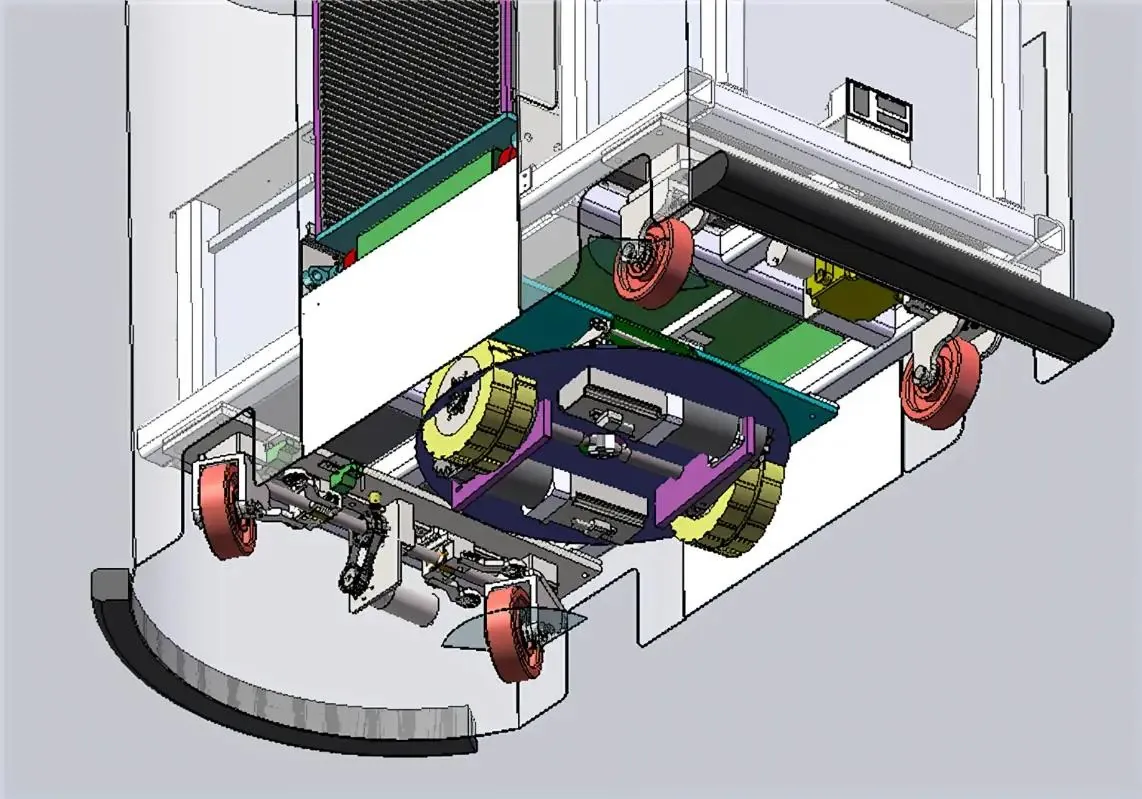
The core of a modern AGV consists of three parts: navigation, drive systems, and control logic. Advanced models use a dual-wheel differential drive structure. This allows the robot to turn by adjusting the speed of each wheel. It makes the vehicle more flexible in tight spaces and reduces mechanical wear.
Why Custom AGV Solutions Matter
Many factories try to use “off-the-shelf” robots. However, every warehouse has a different layout. Every production line has different weight requirements. This is where custom AGV solutions become a game-changer.
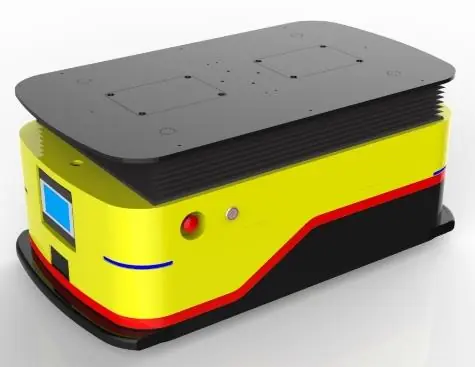
Non-standard customization allows a business to adjust the AGV’s size, load capacity, and specialized functions. For example, a 3C electronics factory might need a low-profile AGV with anti-static coating for delicate parts. On the other hand, an automotive plant might require a heavy-duty chassis to move engine blocks.
Modular design is the secret behind these custom solutions. By using interchangeable modules, Houzai can add mechanical arms for picking or specialized lifting platforms for shelf docking. This flexibility ensures that the AGV fits the workflow, rather than forcing the workflow to fit the machine.
Enhancing AGV for Manufacturing Efficiency
The main goal of automation is to do more with less. Using an AGV for manufacturing efficiency allows for 24/7 operations without fatigue. Here is how specialized AGVs transform productivity:
- Precision and Accuracy: High-end AGVs offer navigation accuracy of ±10mm and repeat positioning errors of less than ±5mm. This level of precision is vital for high-speed production lines.
- Reduced Downtime: Modern AGVs use Lithium Iron Phosphate (LiFePO4) batteries. These batteries provide over 8 hours of continuous work and have a lifespan of over 2000 cycles. This is a massive improvement over old lead-acid batteries.
- Smart Scheduling: Control systems can be integrated with factory software. The system assigns the best path for each robot. It manages traffic to prevent “logjams” in the warehouse.
Safety and Ease of Use
One common fear about robots is safety. Modern industrial automated guided vehicles are designed to work safely alongside humans. They use lidar and collision sensors to “see” their environment. If a person or an object enters the path, the AGV slows down or stops instantly.
User-friendly interfaces also make these machines easy to manage. Operators can set tasks via a computer or a handheld tablet. The AGV handles the rest, including “self-care.” When the battery gets low, the robot automatically returns to its charging station. This removes the need for human intervention in basic maintenance.
Applications Across Different Industries
Custom AGV solutions are versatile. They are currently being used in various sectors to solve unique problems:
- 3C Electronics: Handling small, high-value components with precision and clean-room compatibility.
- Automotive Manufacturing: Moving heavy parts through assembly stages with high torque and stability.
- Food and Pharma: Using stainless steel builds and anti-corrosion coatings to meet hygiene standards.
- Cold Chain Logistics: Optimizing battery management to ensure the AGV works perfectly even at -20°C.
Choosing the Right Partner
When looking for an AGV for manufacturing efficiency, the choice of a partner is crucial. Houzai focuses on providing mid-to-high-end quality at a cost-effective price point. This makes advanced automation accessible to a wider range of international markets.
By choosing a provider that understands “non-standard” needs, you are not just buying a machine. You are investing in a logistics solution that grows with your business.
Custom AGV solutions are the future of industrial logistics. They offer the precision, safety, and flexibility needed to thrive in a modern economy. Whether you are in electronics or heavy manufacturing, industrial automated guided vehicles can streamline your operations.
Investing in an AGV for manufacturing efficiency is no longer a question of “if,” but “when.” With the right technology and a custom approach, you can turn your logistics into a powerful competitive advantage.