Common Pitfalls in AGV Implementation
Many companies view mobile robots as a sign of technological progress but fail to utilize them effectively. Data shows that about 30 percent of enterprises lack a comprehensive strategy during the initial selection phase. They often overlook whether the AGV can interface with existing equipment or if the load capacity fits the actual site conditions.
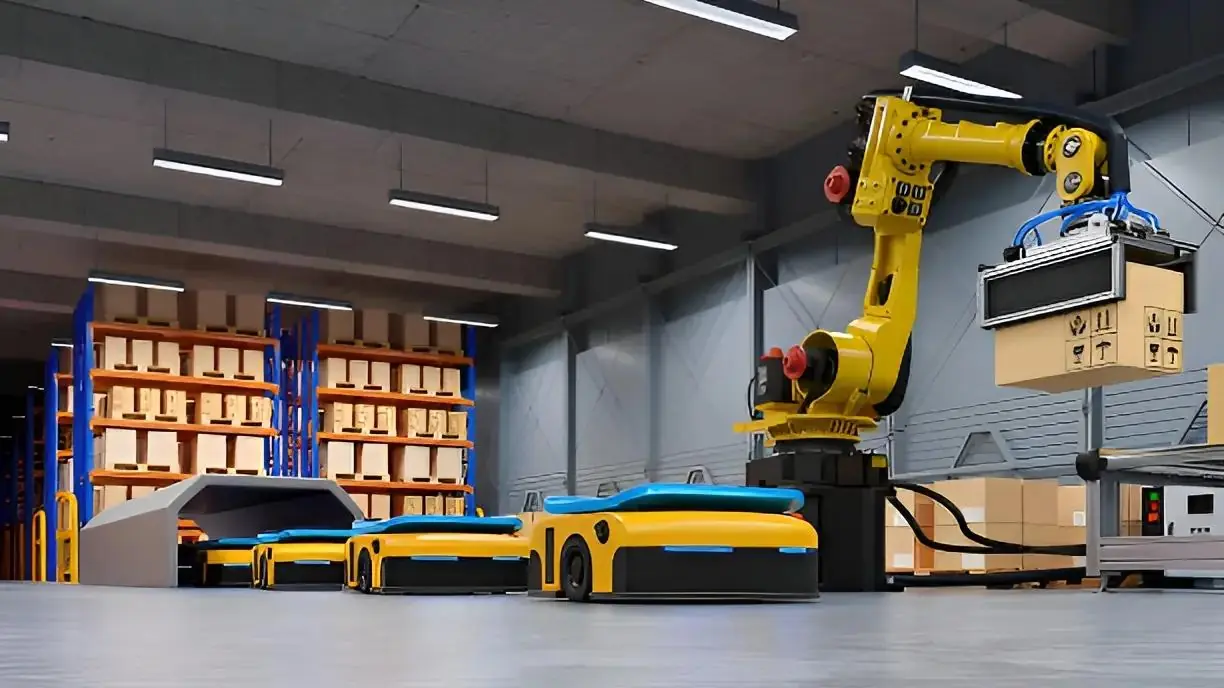
Without proper planning, these robots become showpieces rather than functional tools. A common error involves ignoring specific safety requirements and environmental constraints. This leads to underutilized assets that do not provide the expected return on investment.
The Gap in Modern AGV Integration
The gap between a single robot and a fully integrated system is significant. Many manufacturers focus solely on the performance of the individual machine. This often leads to price wars and the production of low-quality products that lack innovation.
A lack of system design experience remains a major hurdle in the industry. When a vendor cannot analyze the overall logistics flow, the resulting system lacks intelligence. This leaves business owners skeptical about the true value of automation. Effective planning must move beyond buying a machine to designing a complete workflow.
Strategic Framework for AGV System Planning
Successful automation requires a structured approach to ensure the system meets your specific industrial needs.
Define Your Process Requirements
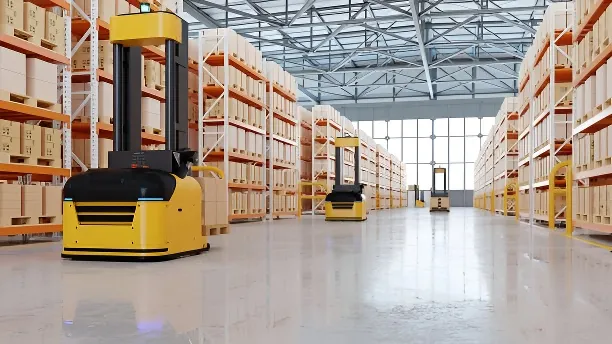
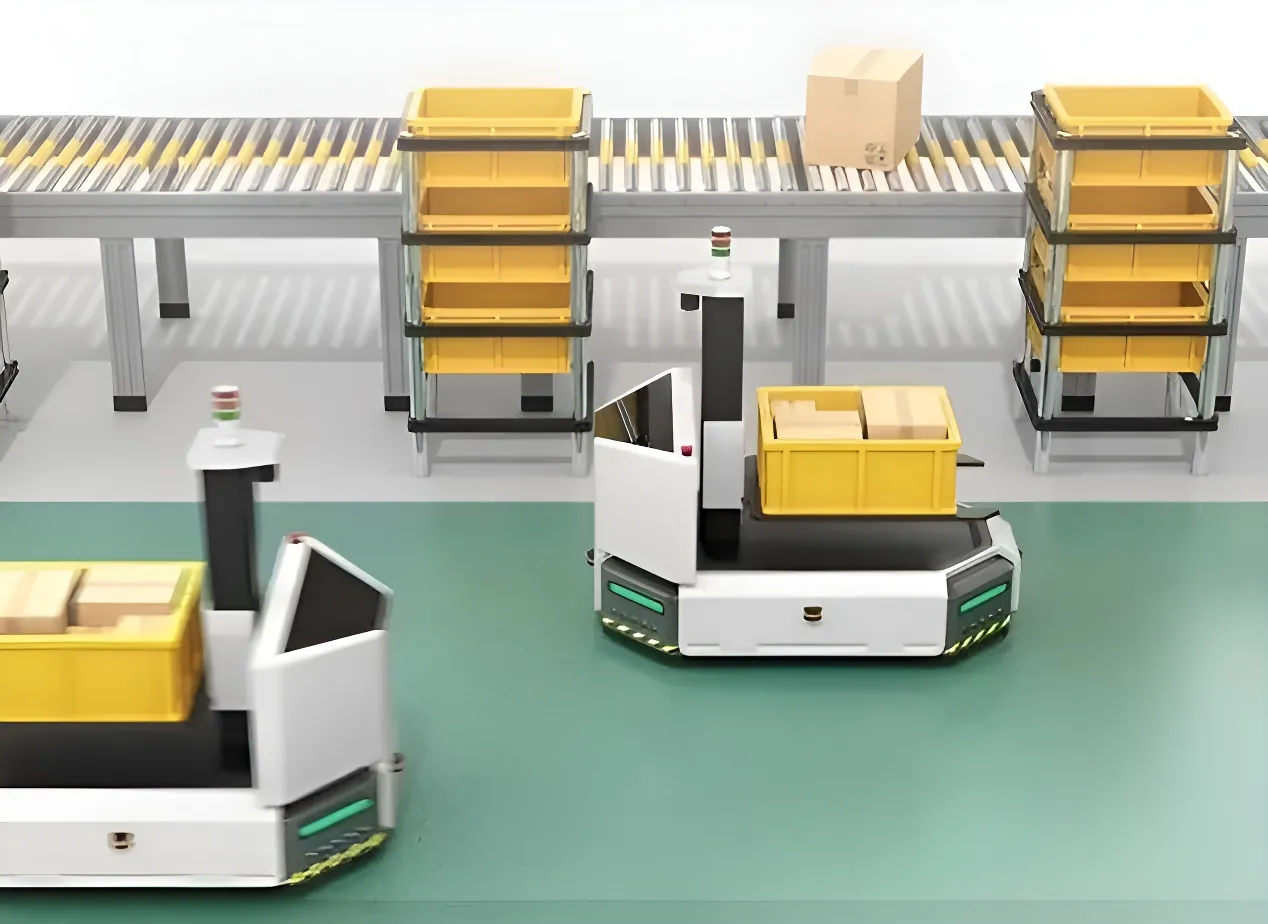
Start by analyzing your current logistics flow. Consider the distance of transport and the frequency of tasks. For a simple point-to-point move under 200 meters with low frequency, a single bidirectional AGV is often sufficient. This setup saves space and reduces unnecessary travel mileage without causing congestion.
Match Hardware to Load Capacity
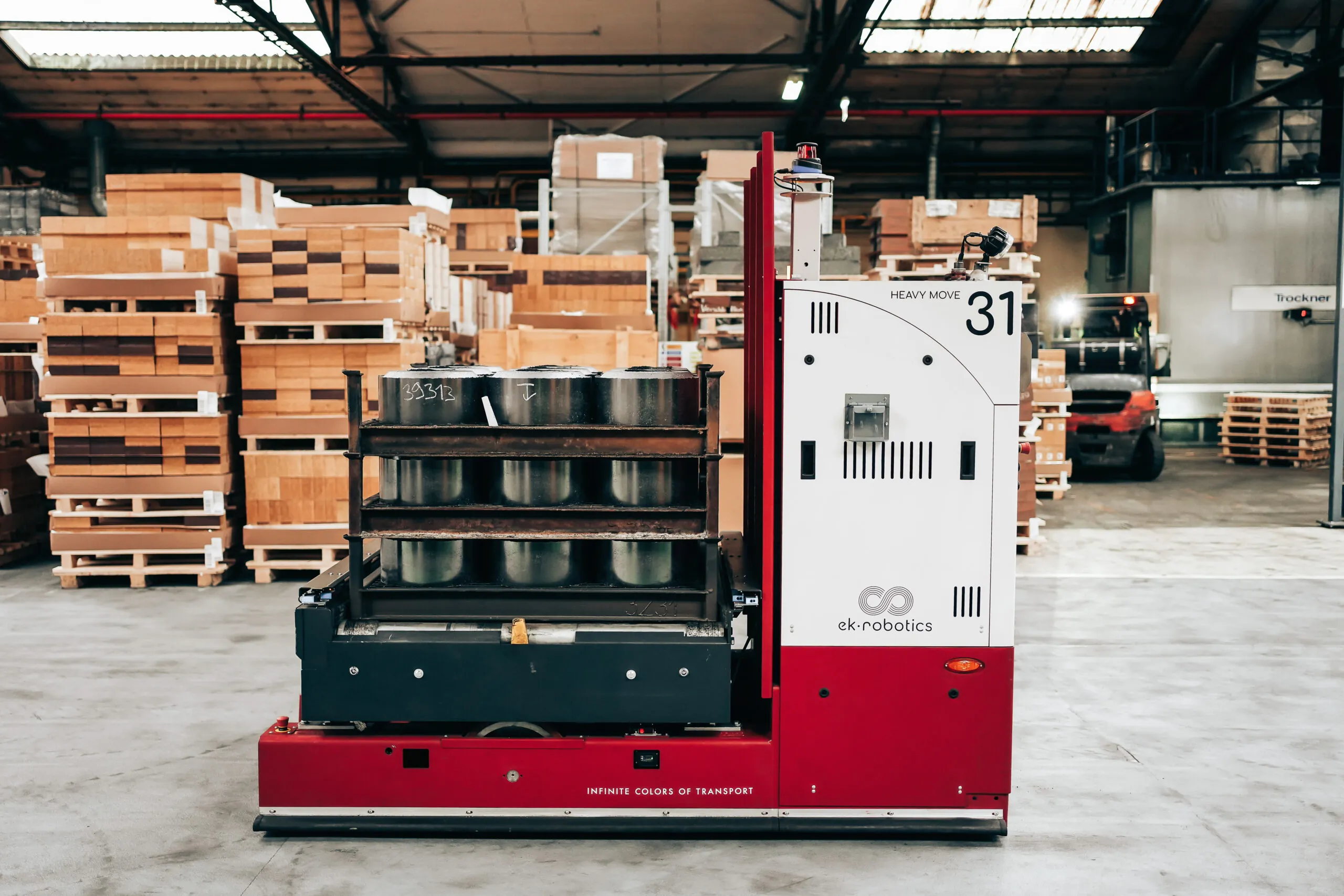
The physical characteristics of your product dictate the hardware choice. If you transport heavy items exceeding 200kg, you should use an AGV designed for towing material cages. This increases the volume per trip and enhances safety during transit to transfer zones.
Optimize for High-Intensity Operations
In 24-hour busy logistics environments with uniform output, load-bearing AGVs are the best choice. These models support high-speed operation and consistent performance. They are ideal for high-volume manufacturing where speed and reliability are priorities.
Choosing the Right AGV for Your Industry
Different sectors require tailored approaches to achieve the best cost-performance ratio.
In sectors like papermaking or metalworking, materials are often oversized. Large-tonnage, medium-speed AGVs provide a safe and stable solution without disrupting worker activity. Conversely, for electronics or pharmaceuticals, small-tonnage high-speed robots are better. They offer the flexibility needed to connect scattered material boxes with various production stages.
Specialized environments also require unique solutions. AGVs are the safest means of transport in cleanrooms for LCD production or in hazardous environments where human presence should be minimized.
The Future of Modular Logistics
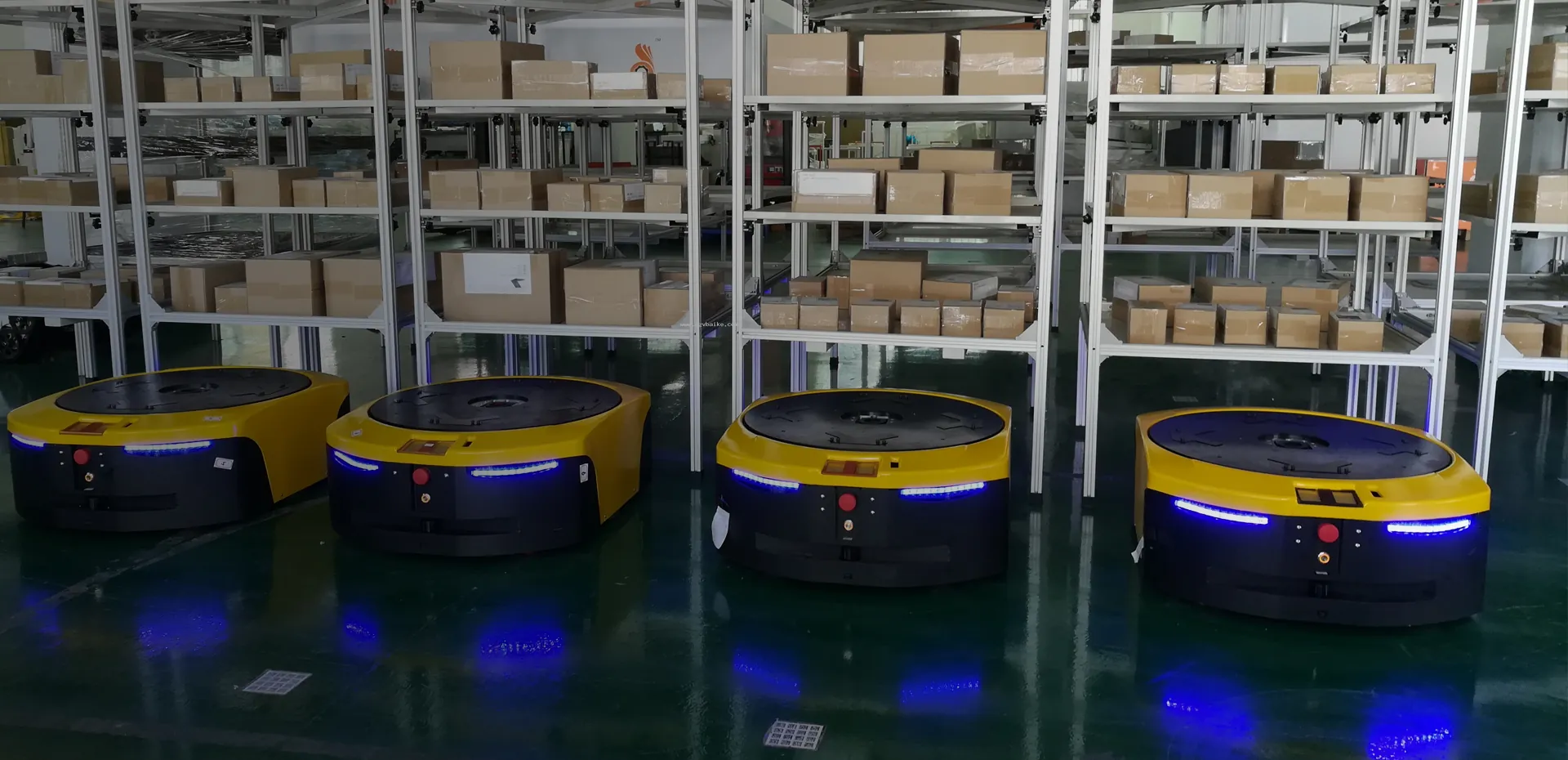
The application of AGV systems is no longer limited to high-profit monopolies. As industrial scales grow, the demand for streamlined and modular logistics will increase. Modern enterprises are moving toward standardized and human-centric solutions that maximize profit through efficiency.
Zhuolan and the Houzai service team focus on providing integrated solutions that go beyond the hardware. By optimizing existing equipment resources and exploring innovative applications, businesses can achieve a leap in development. Strategic cooperation with experienced partners ensures that robots truly benefit the workforce and the bottom line.