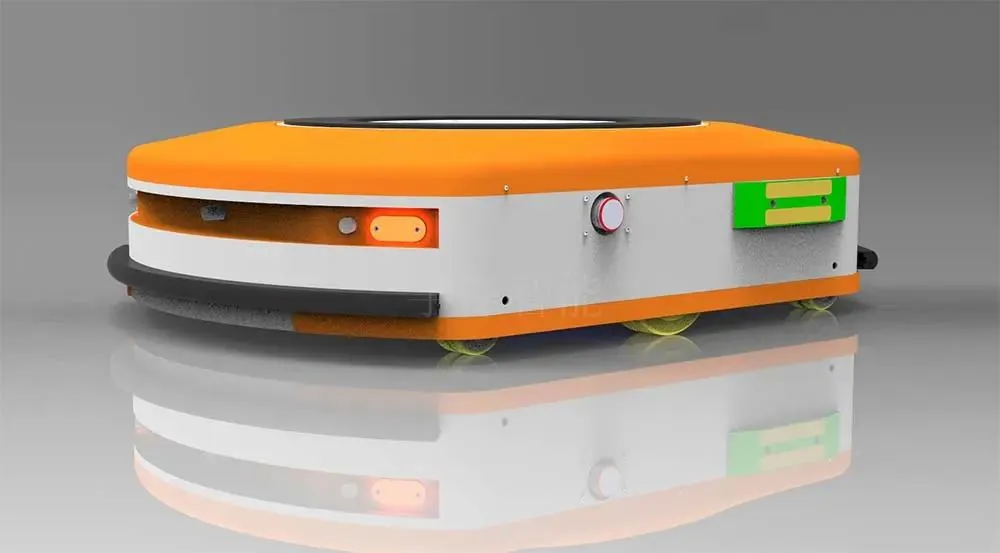
Modern logistics centers face a growing need for speed and accuracy. Automated Guided Vehicles or AGVs provide the best solution for these demands. The steering wheel serves as the heart of any AGV system. It determines how well a vehicle moves and stays stable during tasks. Understanding these components helps businesses choose the right automation hardware.
The Essential Role of AGV Steering Wheels
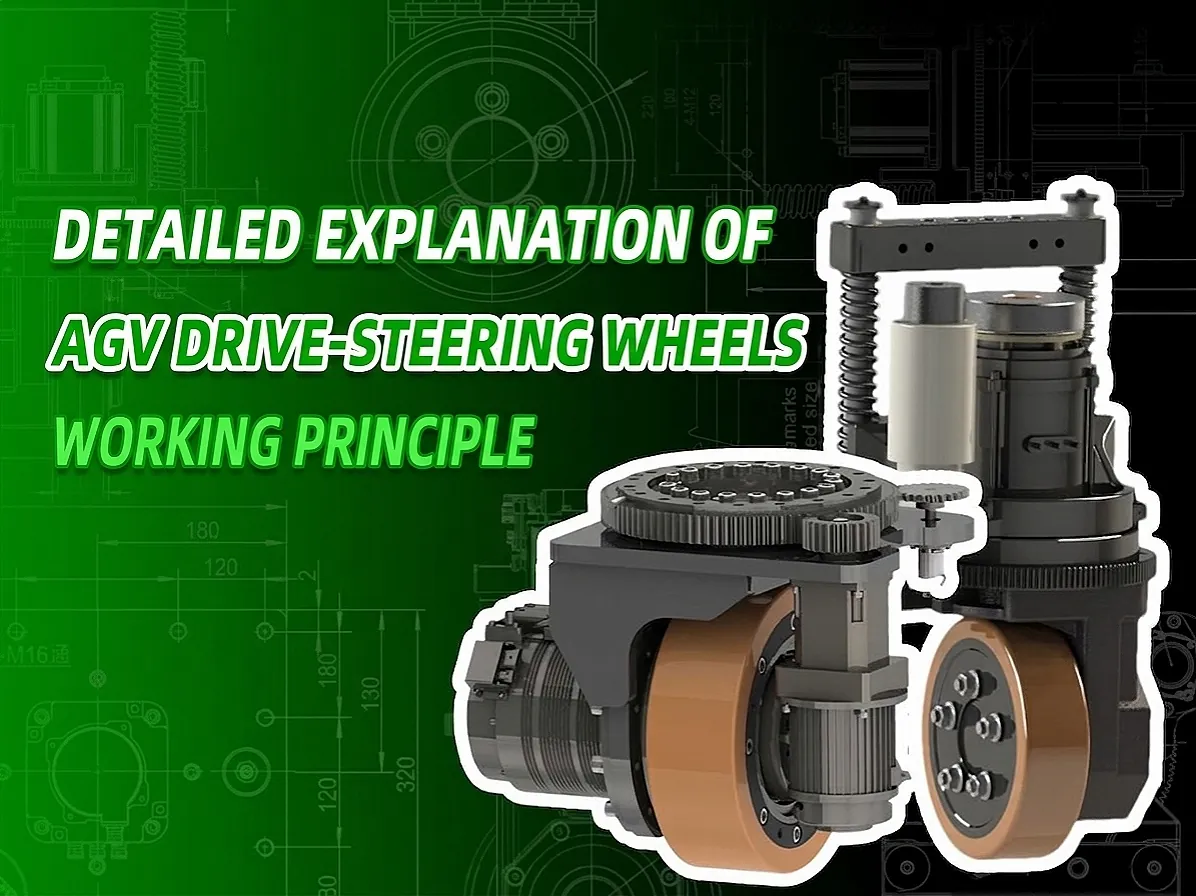
A steering wheel is more than just a part that turns. It integrates driving and steering functions into one unit. This design allows an AGV to move in multiple directions. High quality wheels ensure that vehicles handle heavy loads without losing precision. Zhuolan power systems offer the reliability needed for these demanding environments. As a core agent for Zhuolan, Houzai provides the technical support to integrate these systems effectively.
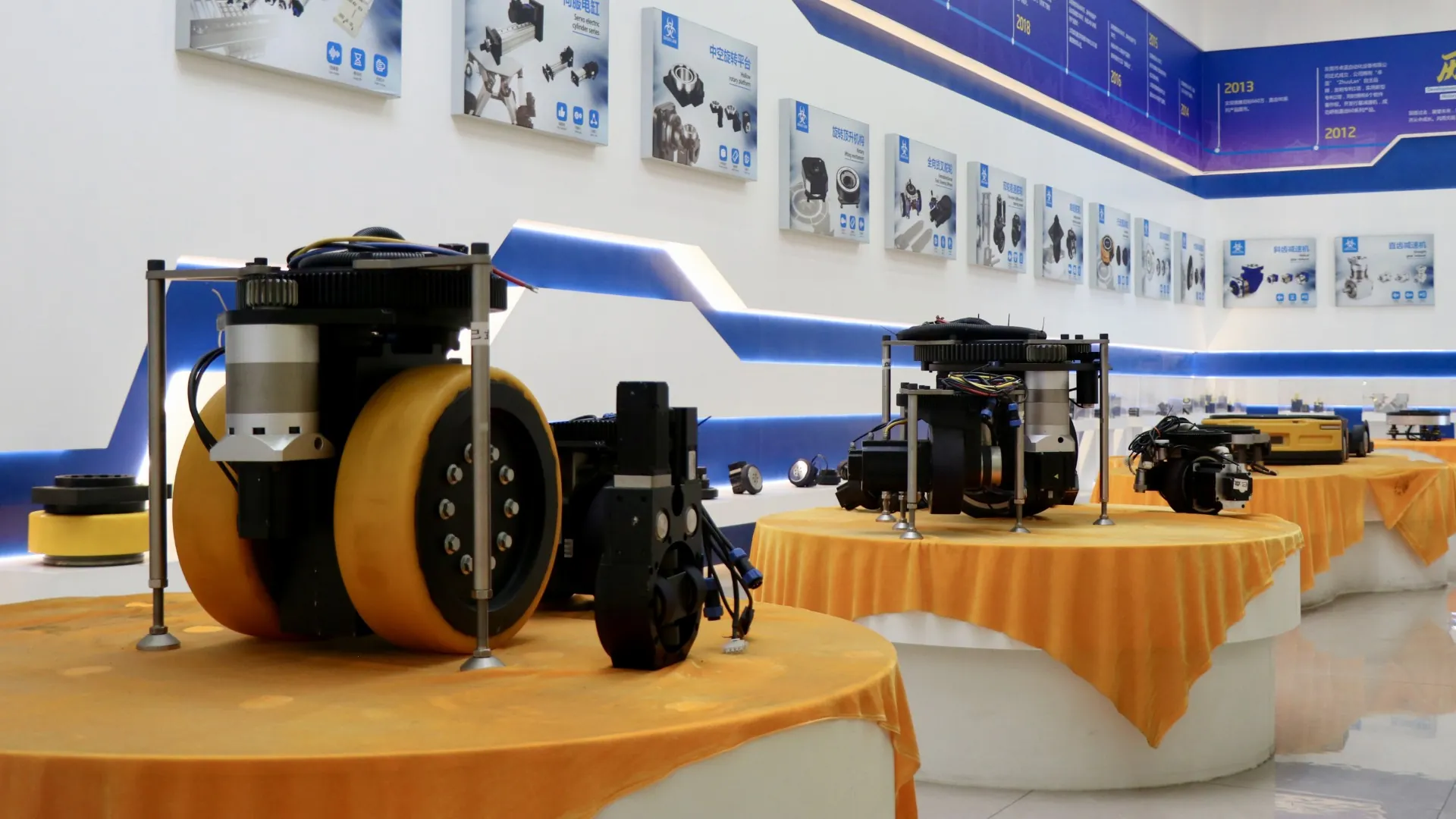
Inside the AGV Steering Wheel Assembly
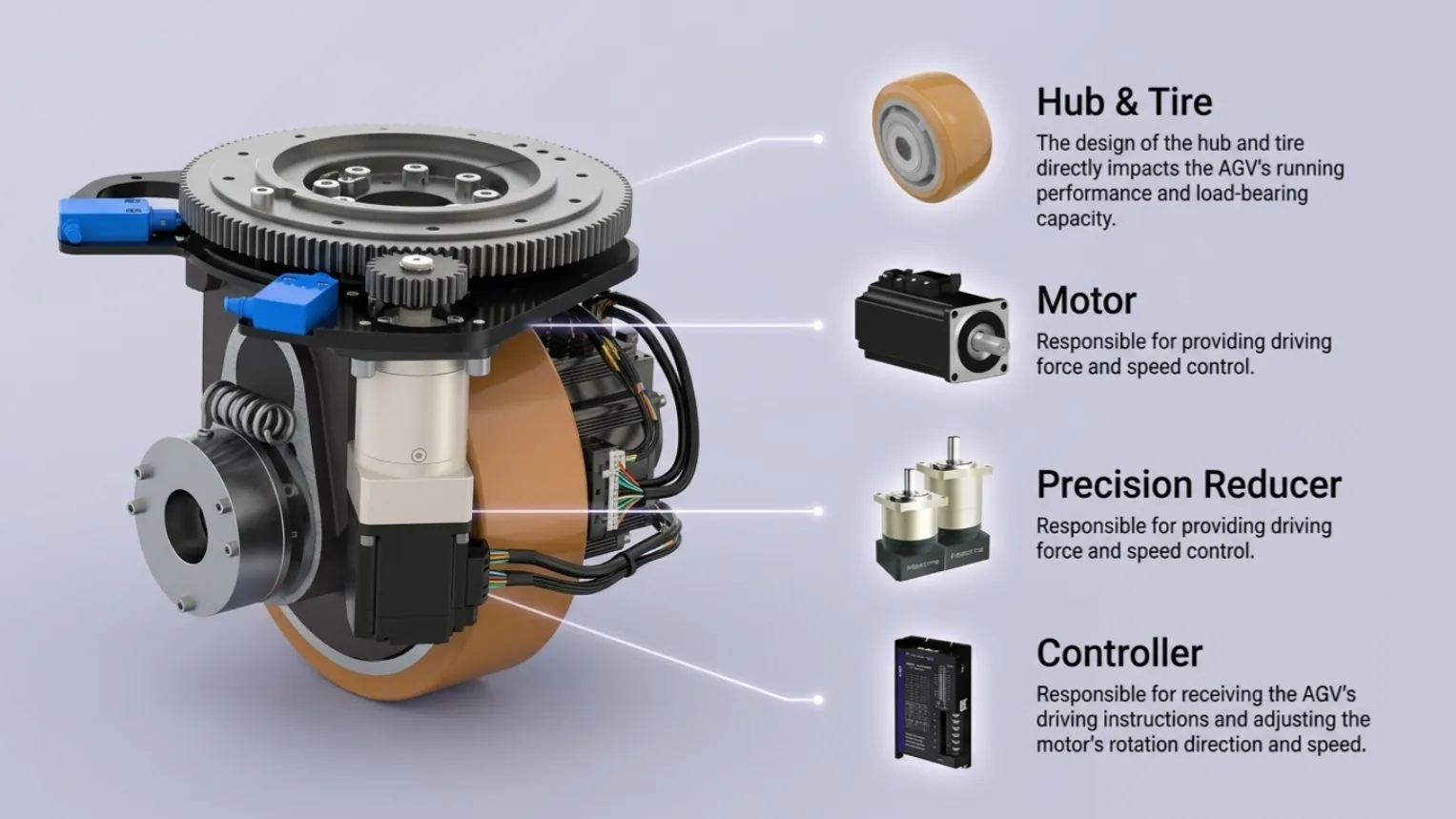
A standard steering wheel consists of several high performance parts. Each part plays a specific role in the movement of the vehicle.
The wheel hub and tire form the base of the unit. These parts must support the weight of the AGV and its cargo. Engineers select materials that offer high friction and durability. This ensures the vehicle does not slip on factory floors.
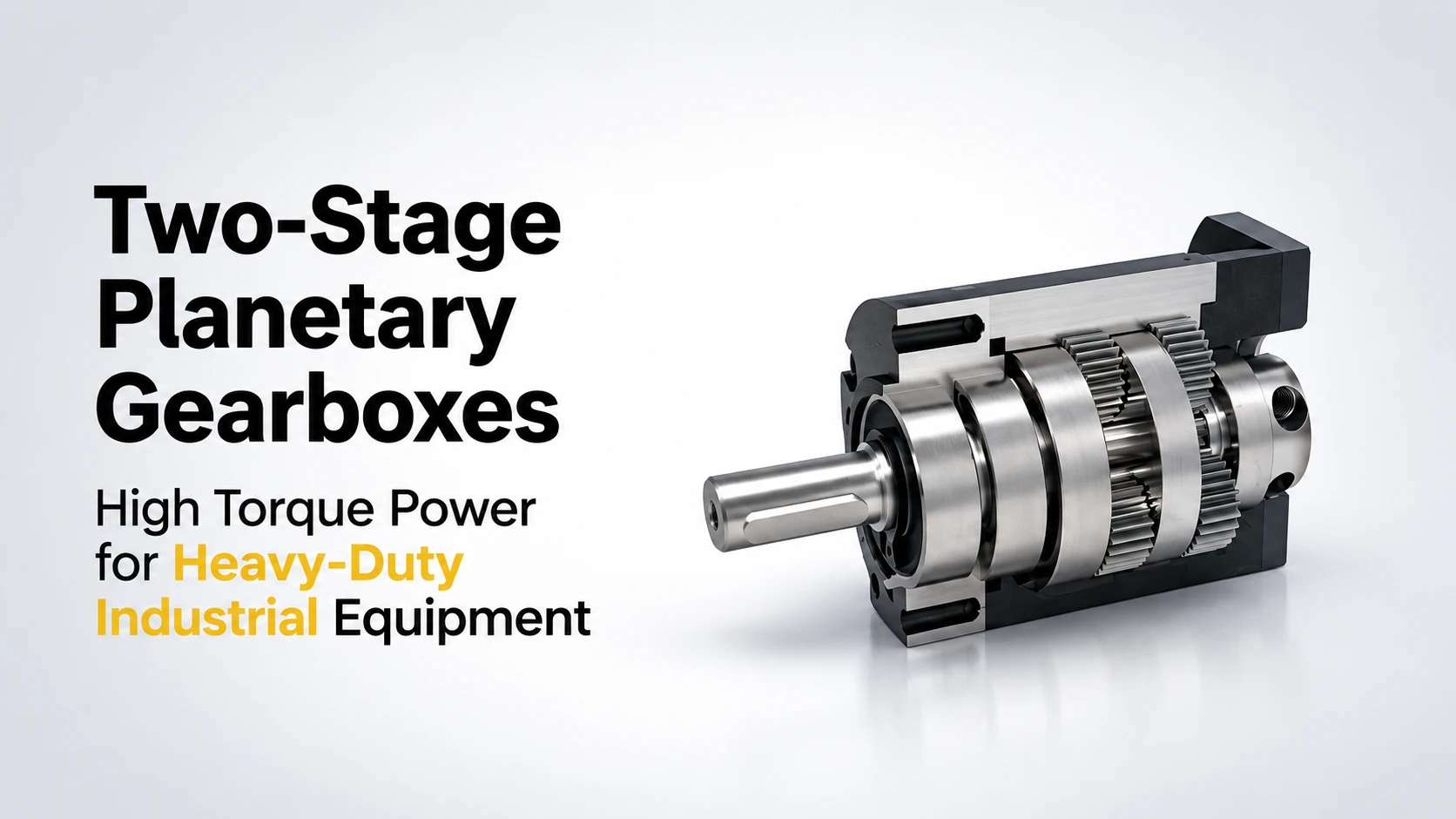
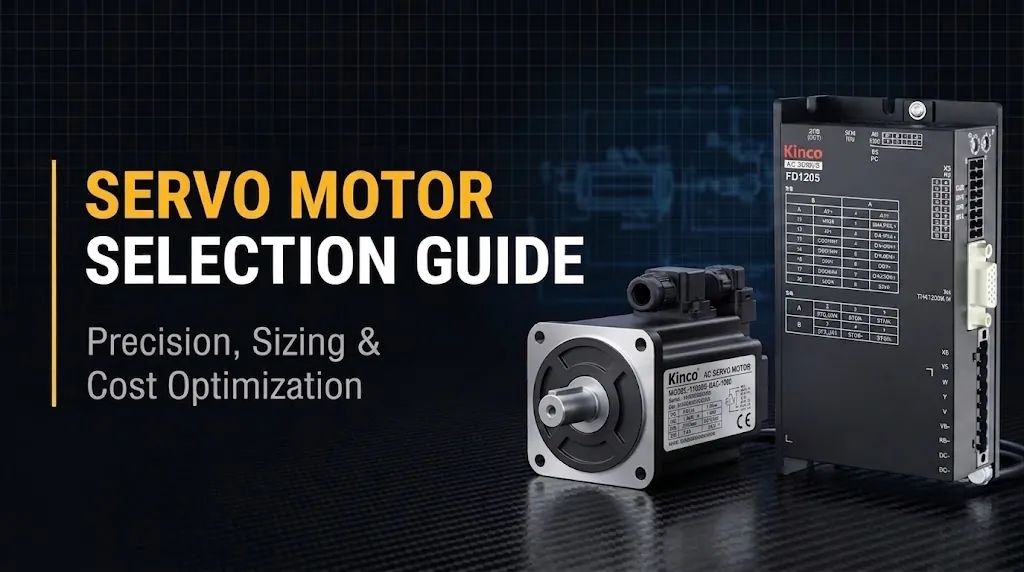
The motor provides the torque needed for motion. Most modern systems use servo motors for better control. A reducer connects to the motor to manage speed and increase power. This combination allows the AGV to start and stop smoothly.
The control system acts as the brain of the assembly. It receives signals from the main AGV computer. It then adjusts the motor speed and direction instantly. This integration is what makes an AGV truly intelligent.
Understanding the Motion Mechanics
AGV steering wheels use friction and angle adjustments to create movement. This technology allows for diverse paths in tight spaces.
The most common mode is forward and backward travel. All wheels turn at the same speed in one direction. For lateral movement, the system adjusts the angles of the wheels. This allows the AGV to move sideways without turning its body.
Rotation is another critical feature. One wheel can turn in a different direction than the others. This makes the AGV spin in place. This flexibility is vital for navigating narrow aisles in warehouses.
The system uses sensors to monitor the environment. These sensors detect obstacles and track the position of the vehicle. Algorithms process this data to adjust the steering angle in real time. This ensures the AGV follows its path with millimeter accuracy.
Advanced Control Strategies for Precision
Achieving smooth motion requires complex software strategies. There are three main ways to control a steering wheel.
Speed control is the most basic method. The system adjusts the motor rotations per minute. This keeps the AGV at a steady pace during long transport runs.
Position control is necessary for docking and loading. The system compares the actual location with the target coordinates. It then calculates the exact steering angle needed to reach that spot. This prevents errors during cargo pickup.
Torque control helps the vehicle handle different floor conditions. If a floor is slippery, the system adjusts the output force. This maintains stability even when the load weight changes.
Why Choose Zhuolan Drive Systems from Houzai
Selecting the right components is a major challenge for manufacturers. Zhuolan has years of experience in the core parts industry. Their drive systems power AGVs in airports and manufacturing plants.
Houzai serves as the bridge between this technology and your factory. We provide a one stop solution for industrial automation. Our team offers technical support to help you select the best motor and reducer combinations. We focus on high quality products that offer the best value for your budget.
Future Challenges in AGV Technology
The industry continues to move toward heavier loads and smarter management. Large AGVs require wheels with much higher load capacities. Ensuring safety in crowded spaces remains a top priority for engineers.
Future systems will focus on better communication between devices. This is part of the growth in the Internet of Things. We expect to see more integration between AGVs and factory management software. Houzai stays at the front of these trends to guide our clients.
Conclusion
The AGV steering wheel is the foundation of modern mobile robotics. Its ability to combine driving and steering into one unit offers unmatched flexibility. By choosing reliable parts from Zhuolan and expert service from Houzai, companies can improve their logistics efficiency. Investing in high quality drive technology is the first step toward a fully automated future.