Selecting a precision planetary gearbox often leads to a common dilemma. You must choose between spur gears and helical gears. While they may look similar from the outside, their internal mechanics and long-term costs differ significantly. Choosing the wrong type can lead to loud noise or even total machine failure. This guide breaks down the technology to help you make an informed investment for your automation needs.
The Hidden Cost of Choosing the Wrong Gearbox
Many engineering teams select spur gearboxes to save 15% to 20% on initial purchase costs. However, this often leads to higher expenses later. Spur gears engage all at once across the tooth width. This creates sudden impacts and vibrations. Over time, these vibrations travel back to the servo motor. This can shorten the lifespan of expensive electronics and increase maintenance frequency.
In high-precision industries like laser cutting or automated spraying, small vibrations cause visible defects. These defects lead to lower product yield and wasted materials. When you factor in downtime and replacement parts, the cheaper gearbox often becomes the most expensive component in your system.
Technical Comparison: Why Helical Gears Outperform Spur
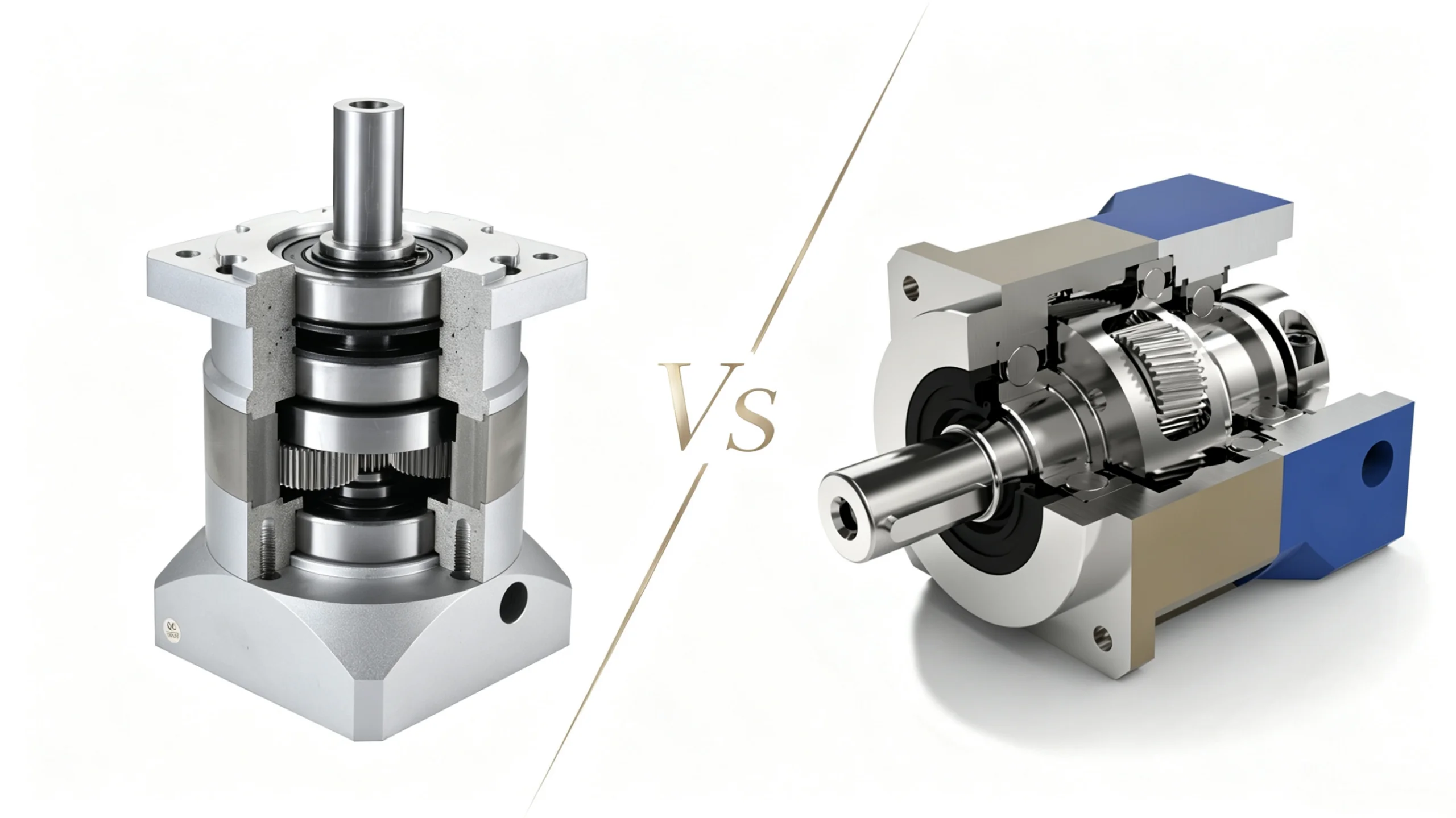
The primary difference lies in the mesh logic. Helical gears feature teeth cut at an angle to the axis. This design allows for a progressive engagement process. The contact starts at one end of the tooth and spreads gradually. This creates a smoother transition and increases the overlap coefficient by more than 30 percent compared to straight teeth.
This progressive engagement results in higher torque density. Because more surface area is in contact at any given time, helical planetary gearboxes can handle higher loads within the same frame size. They are also significantly quieter. A helical system typically runs 10 to 15 decibels lower than a spur system. This is a critical factor for laboratory equipment or medical devices where a quiet environment is mandatory.
5 Steps to Select the Right Gearbox for Your Project
To optimize your costs without sacrificing quality, follow these selection steps:
- Define your precision requirements. If your application needs a backlash of less than 3 arc-minutes, helical gears are the standard choice.
- Calculate the operational speed. Higher speeds increase the impact forces in spur gears. Choose helical for high-speed continuous cycles.
- Assess the environment. If the machine operates near people, the noise reduction of helical gears provides a better working environment.
- Review the load profile. For heavy-duty applications with frequent starts and stops, the higher torque capacity of helical gears offers a better safety margin.
- Evaluate the total cost of ownership. Compare the initial savings of spur gears against the potential cost of motor repairs and frequent lubrication.
Case Study: Improving Reliability in Robotic Arms
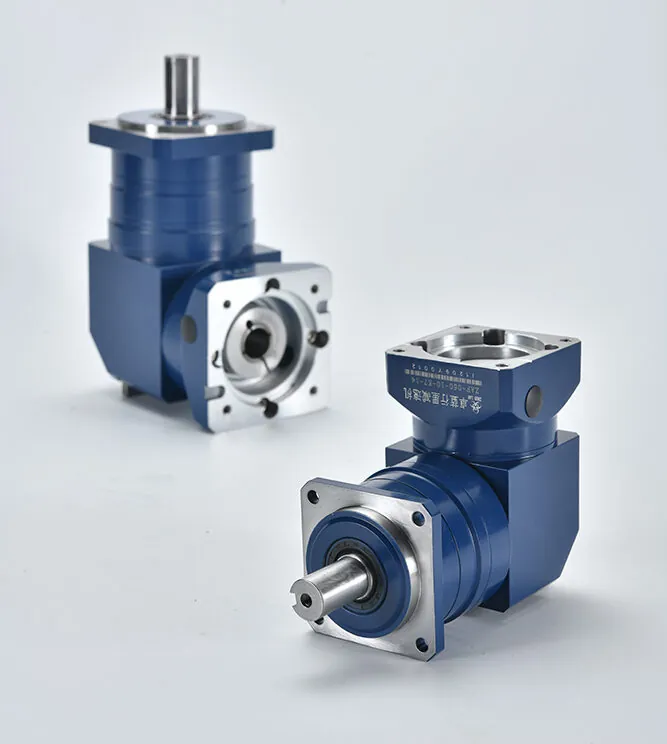
A manufacturer recently upgraded their robotic assembly line from standard spur gearboxes to Zhuolan helical planetary gearboxes provided by the Houzai team. Initially, the team was concerned about the higher unit price. However, the results justified the switch.
The smoother motion of the helical teeth reduced the vibration in the primary arm joints. This allowed the sensors to provide more accurate feedback data. As a result, the assembly precision improved by 12 percent. Furthermore, the motor temperature decreased because it no longer had to compensate for the jarring shocks of the spur gear engagement. The company reported zero unscheduled maintenance events in the first year of operation.

Limitations of Helical Gear Systems
While helical gears offer many benefits, they are not always the perfect solution. The angled teeth produce axial thrust loads. This requires the use of higher-quality bearings to manage the internal pressure. Consequently, the internal construction of a helical gearbox is more complex and requires more precise manufacturing.
If your application involves simple, low-speed transport where noise and high precision are not priorities, a spur gearbox remains a valid, budget-friendly choice. It is essential to match the gearbox to the specific needs of the task rather than over-engineering every simple motion.
Conclusion
The choice between spur and helical planetary gearboxes is about more than just the price tag. It is about matching the mechanical logic to your performance goals. By choosing the right gear type, you protect your motors, improve your product quality, and reduce long-term operational costs. At Houzai, we bridge the gap between Zhuolan’s manufacturing excellence and your specific technical challenges to provide the most cost-effective automation solutions.