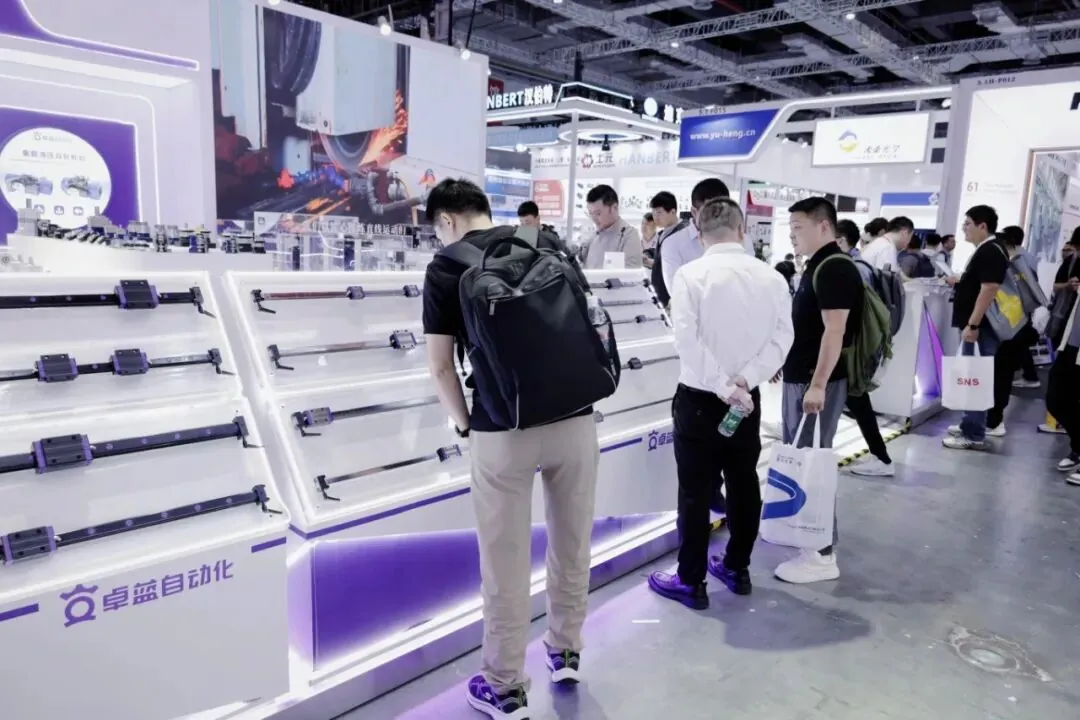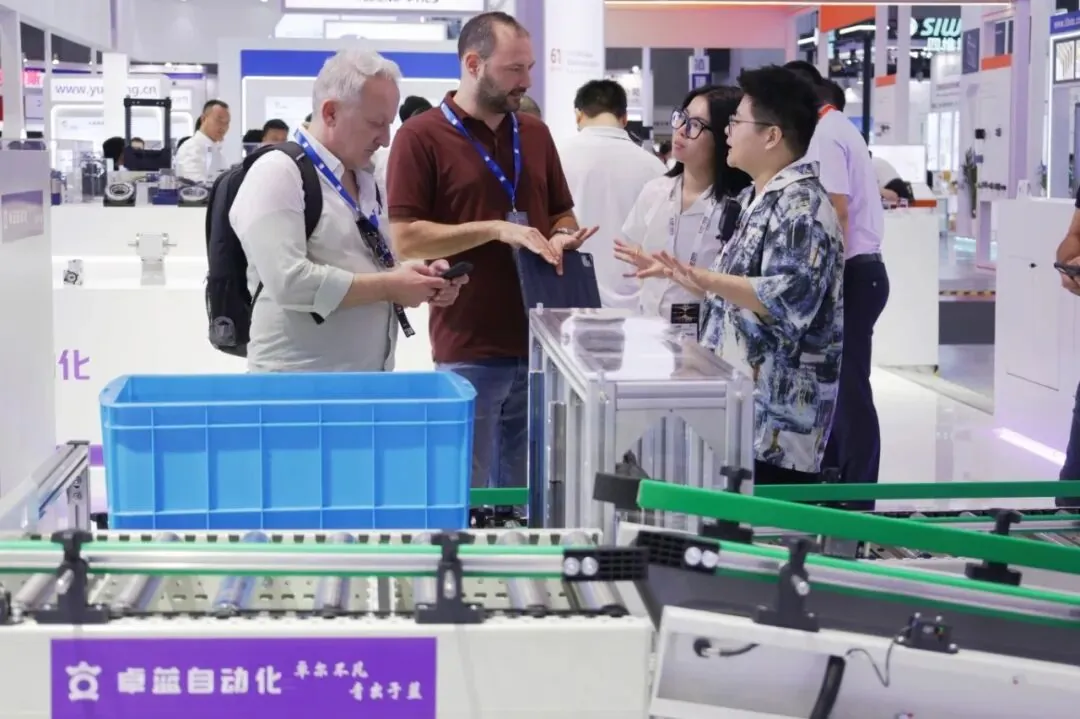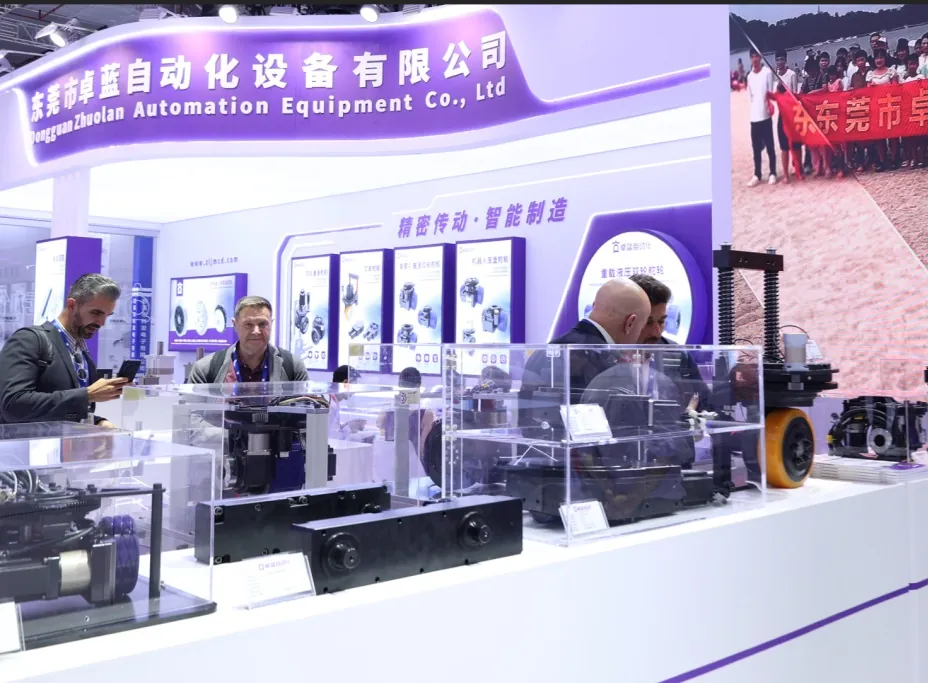
In high-end automation, engineers face a common challenge. Buying a top servo motor and a top reducer is not enough for peak performance. Without proper system matching, the machine fails to reach target precision. Vibration appears during acceleration. Settling times grow long.
Motion control requires clear alignment between the drive unit and mechanical structure. The servo motor acts as the muscle. The planetary gearbox acts as the joint. When these components do not match, energy loses efficiency.
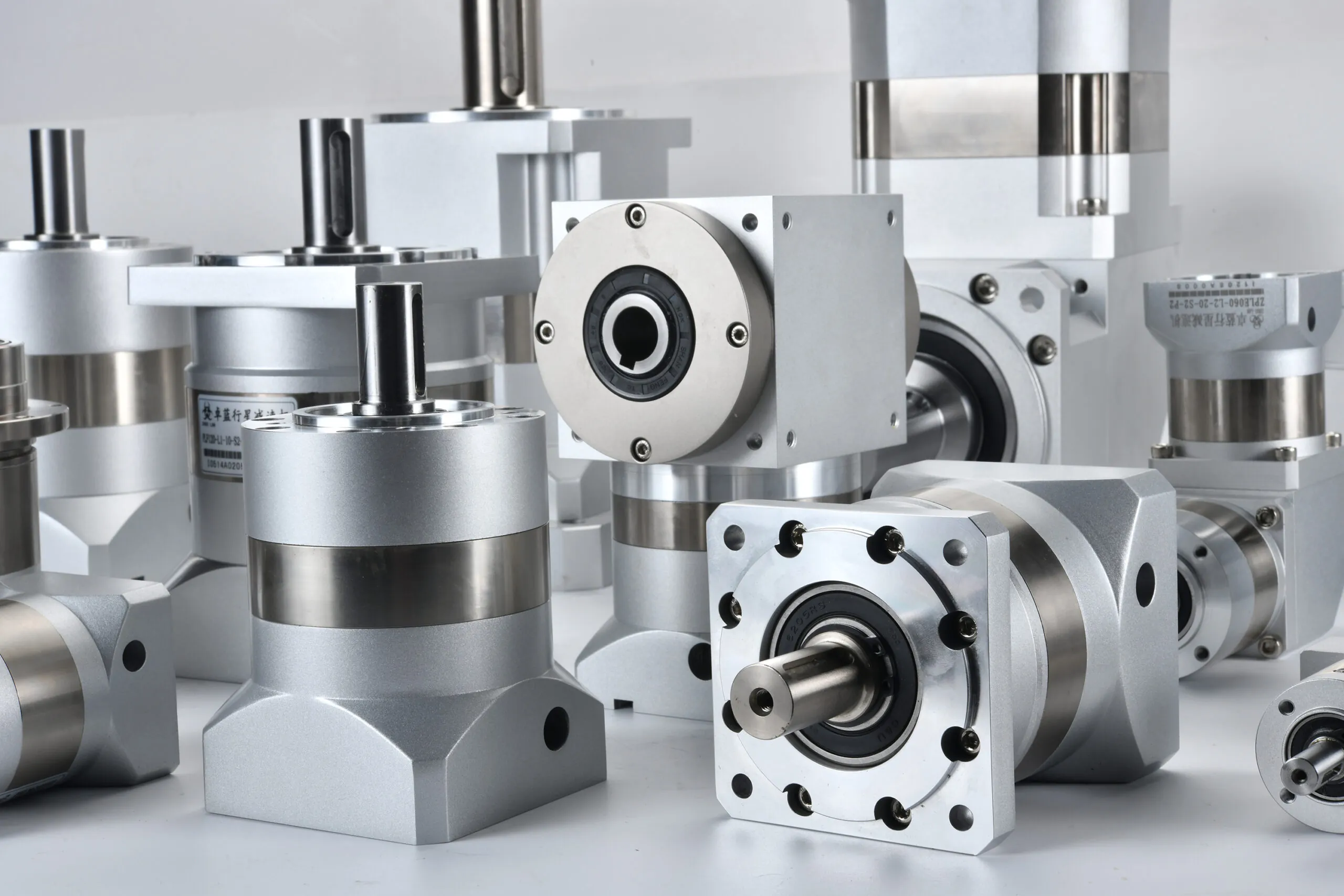
At Houzai, we deliver drive systems with Zhuolan planetary gearboxes. Our technical team ensures system integration for global automation projects.
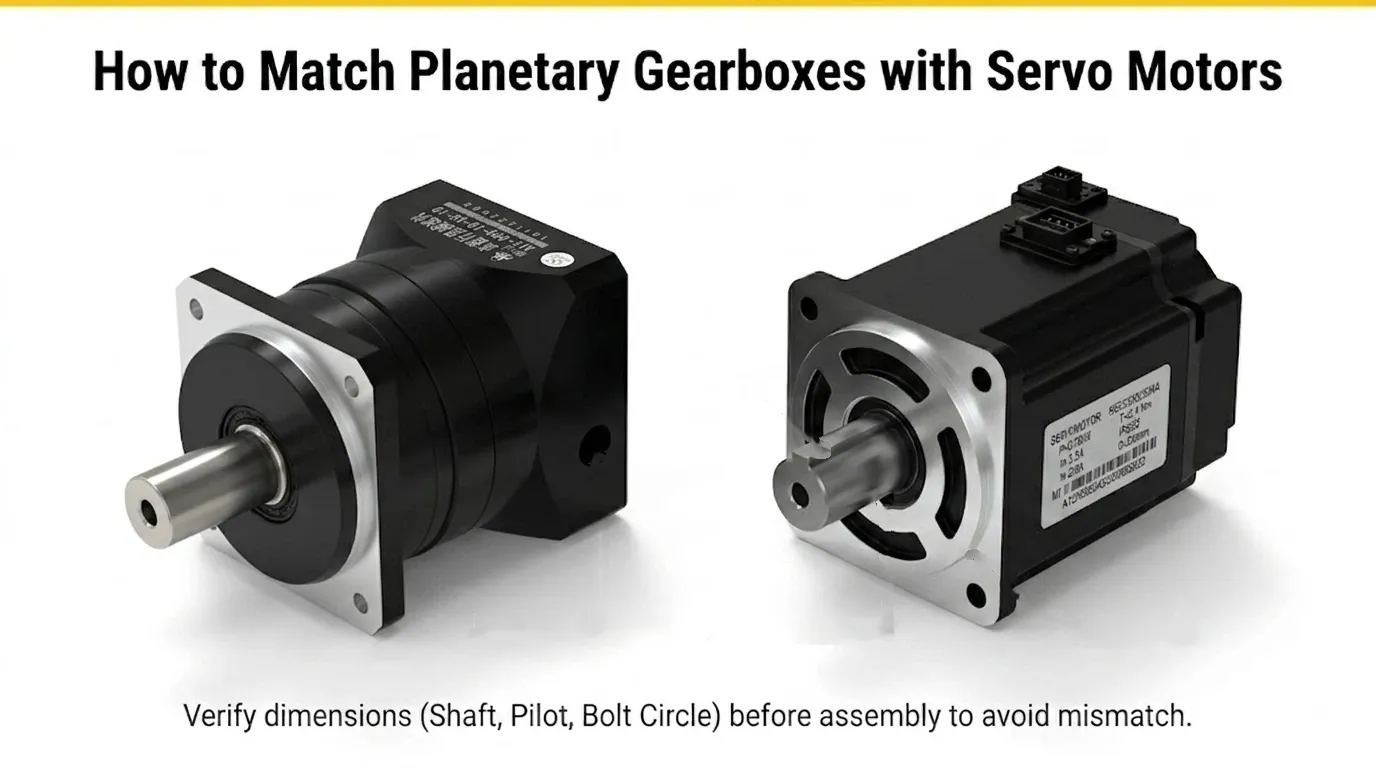
Mechanics of System Level Drive Matching
Overcoming Inertia Mismatch and Oscillation
Load inertia reflects back to the motor through the reducer during quick stop operations. An incorrect gear ratio creates an imbalance. This imbalance causes system oscillation and high acoustic noise. Engineers cannot raise motor gain settings without causing frame shake.
Proper inertia ratio alignment eliminates end position wobble. The motor stops cleanly without extra settling time. Production cycle times drop immediately. High precision planetary gearboxes optimize input gear mass to keep inertia ratios in the ideal range.
Backlash Control and Torsional Stiffness
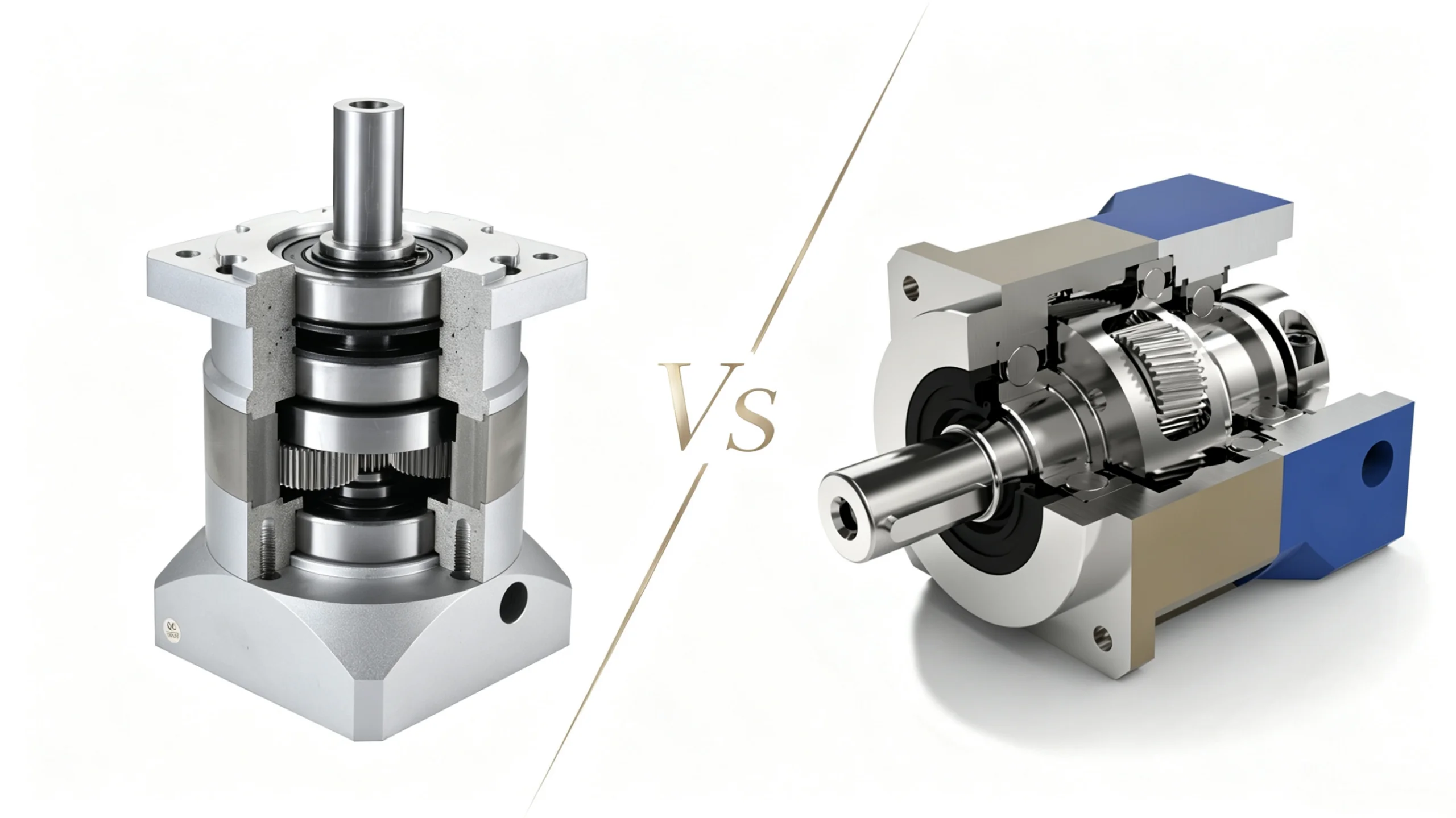
High position accuracy demands low backlash at the drive output. Standard gearboxes lose precision through internal gaps. High precision planetary gearboxes limit backlash to under one arcminute. This design guarantees micro meter positioning accuracy.
Torsional stiffness plays a big role under heavy loads. Flexing gear housings act like springs and absorb energy. That elastic movement delays control response. Combining motor electromagnetic stiffness with mechanical rigidity keeps accuracy consistent.
Managing Thermal Expansion in High Frequency Cycles
Continuous start stop cycles generate substantial heat. Heat transfers directly from the motor shaft into the input sun gear. Unchecked thermal expansion breaks down synthetic grease. Seals wear out quickly.
System matching accounts for thermal dissipation. It ensures stable tolerances during long operations.
Direct Drive Installation Steps for Peak Precision
Step 1 Check Axis Dimensions and Tolerances
Check motor shaft and reducer input bore dimensions. Verify keyway sizes and tolerance limits. Apply a thin layer of anti rust lubricant on mating surfaces.
Step 2 Align Mount Flanges and Bolts
Align motor flange holes with reducer input holes. Insert mounting screws. Tighten them loosely by hand to leave space for adjustments.
Step 3 Calibrate Radial and Axial Runout
Place a dial indicator on the motor shaft. Rotate the shaft slowly by hand. Keep radial runout below 0.05 mm. Adjust position using a soft copper mallet if needed.
Step 4 Torque Fasteners with Precision
Use a calibrated torque wrench. Tighten flange bolts in a diagonal pattern. Follow exact torque specifications from the product manual.
Step 5 Perform No Load Rotation Testing
Connect motor power. Run the drive unit with no load for 15 to 30 minutes. Listen for abnormal mesh noise or grinding sounds.
Step 6 Verify Acoustic and Thermal Limits
Check outer housing temperatures during trial runs. Outer temperature should stay below 60 degrees Celsius. Ensure smooth shaft rotation without mechanical binding.
Applications and Operating Boundaries
High Precision Automation Uses
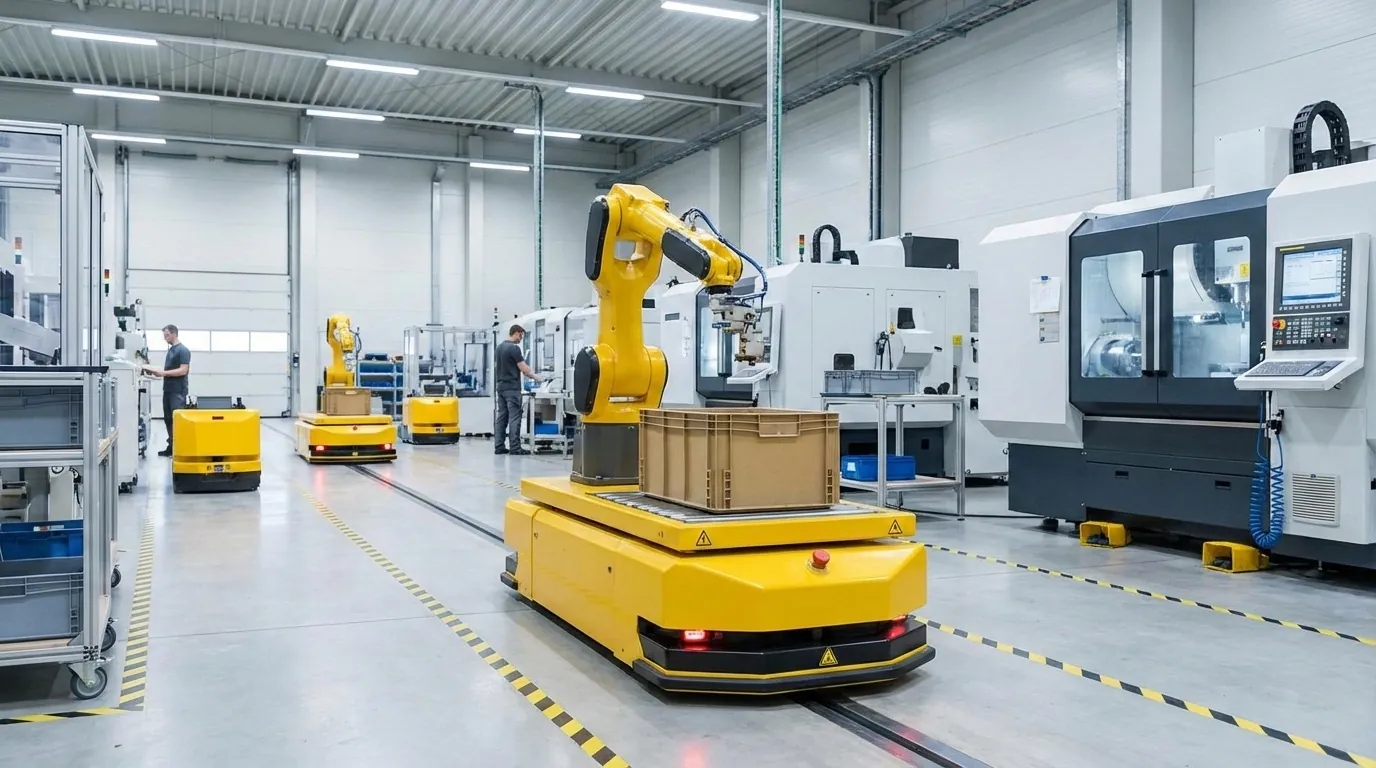
Matched drive units power industrial robots, automated guided vehicles, and packaging machines. They excel in high speed pick and place units. Integrated assemblies deliver reliable torque and quiet performance during heavy daily use.
Technical Limits and Maintenance Rules
System matching cannot overcome physical overload. Never exceed maximum input speed ratings or acceleration torque limits. Check seal conditions and lubricant quality during scheduled routine maintenance.
Frequently Asked Questions for System Matching
Why does a servo system vibrate after assembly?
Vibration usually stems from shaft misalignment or severe inertia imbalance. Verify runout tolerances and recalculate system inertia ratios to fix resonance.
How do engineers select between direct drive and couplings?
Direct drive offers compact size and zero backlash for high precision needs. Flexible couplings work better when shaft centerlines cannot align perfectly or when absorbing heavy shock loads.
Why is inertia ratio crucial for servo gearbox selection?
Matching inertia allows servo drives to maintain high control gains without system oscillation.
How often should lubricants be changed in industrial planetary gearboxes?
Synthetic gear grease typically lasts for over twenty thousand operating hours under normal conditions.
Get Custom Sizing Support for Your Automation Drive
Selecting the right planetary reducer requires accurate torque, speed, and thermal calculations. The engineering team at Houzai provides full technical assistance for Zhuolan planetary gearboxes. Contact our application engineers today to receive free sizing reports, CAD models, and dynamic simulation support for your automation project.