Solving the Space and Torque Bottleneck in Modern Motion Control
Automated equipment demands exceptional movement control in tighter footprints. Engineers face constant pressure to reduce machine volume while increasing load torque output. Modern motion control relies on small planetary gearbox solutions to solve this structural conflict.
This engineering guide details technical principles, core industrial applications, and exact selection procedures to optimize power delivery without compromising installation space.
Core Technical Principles and Advantages
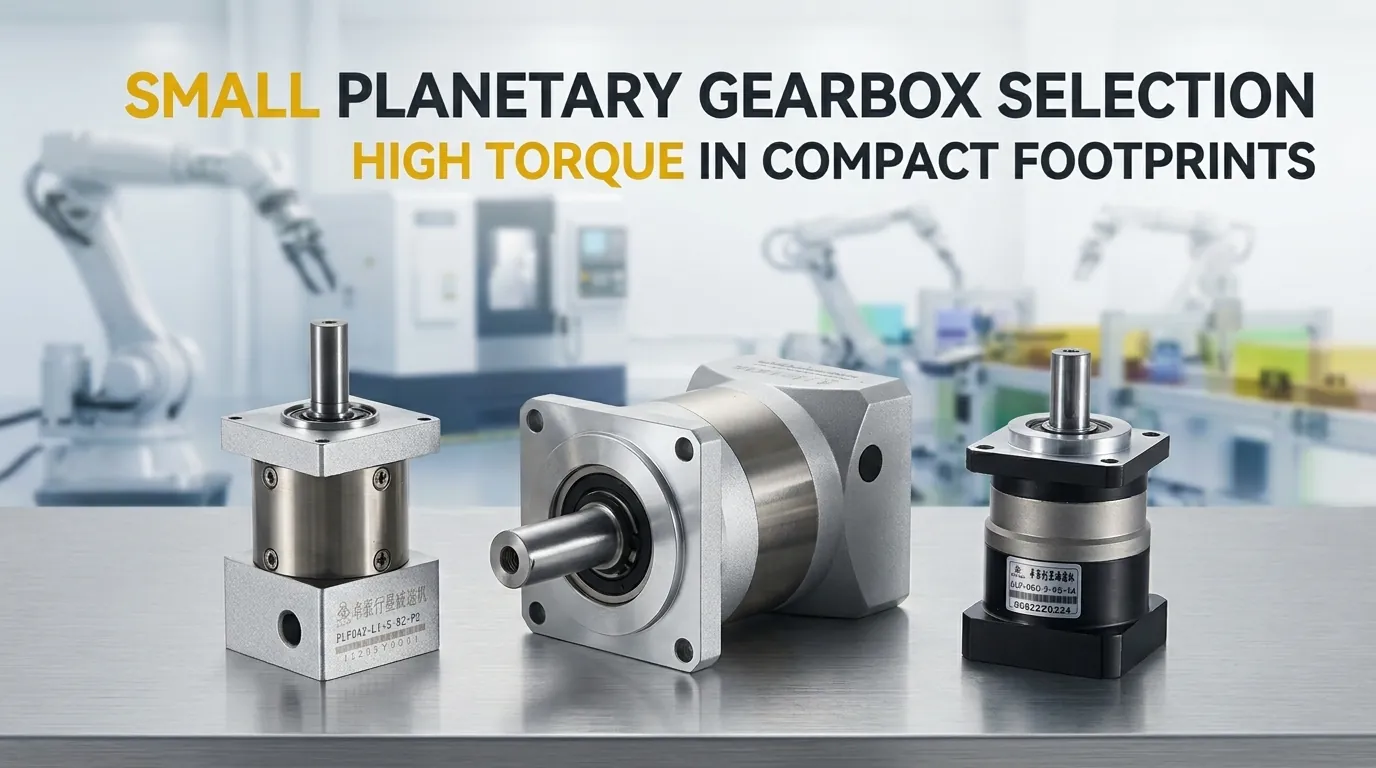
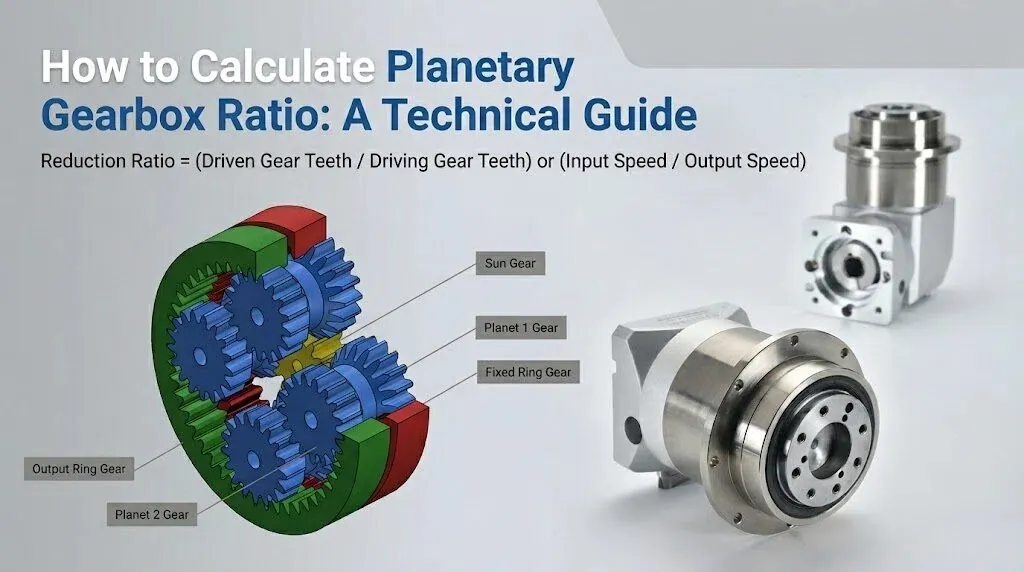
A small planetary gearbox uses a central sun gear, multiple planet gears, and an outer ring gear. This symmetric arrangement distributes dynamic loads across several contact points simultaneously. High-strength alloy materials allow these gearboxes to deliver maximum torque density. Power loss stays exceptionally low while mechanical efficiency consistently exceeds 90 percent.
Primary Application Scenarios in Modern Industry
Compact drive technology powers critical equipment across diverse manufacturing sectors.
Industrial Robotics and Mobile Automation
Robotic joints require lightweight power transmission to optimize payload capacity. Gear units mounted inside shoulder, elbow, and wrist drive modules deliver precise positioning without motion chatter. Drive wheels in mobile material handling vehicles rely on high torque density units to carry heavy loads smoothly through narrow aisles.
Precision CNC Machine Tools and Rotary Tables
Machining centers demand rock-solid stiffness during metal cutting processes. A small planetary gearbox drives indexing heads, rotary tables, and laser cutter axes. Low backlash guarantees positional accuracy down to micrometer levels under continuous dynamic loads.
Packaging Machinery and High-Speed Sorting
Labeling equipment, bottle filling machines, and high-speed sorters execute thousands of movements hourly. Small gearboxes fit inside narrow frame rails while delivering fast dynamic acceleration. Printing machinery uses these drives on tension rollers to keep web feeding strictly synchronized.
7-Step Sequence for Servo Planetary Gearbox Selection
Incorrect drive specification causes elevated operating temperatures, oil leakage, and premature mechanical wear. Engineers should follow this standardized sequence to secure long-term system reliability.
- Measure spatial limits and available mounting clearance.
- Calculate target reduction ratio using motor and output speeds.
- Determine continuous working torque and dynamic peak loads.
- Select necessary backlash class according to positioning needs.
- Verify environmental protection codes such as IP65 ratings.
- Confirm thermal limits and duty cycle requirements.
- Check mounting flange specifications and shaft alignment parameters.
Defining Spatial Limits and Mounting Constraints
Measure length, width, and height limitations at your mounting location. Always reserve a 10 percent margin for cable routing, heat dissipation, and maintenance access. Match your mounting flange design, bolt circle diameter, and shaft diameter precisely to your chosen motor.
Calculating Torque and Transmission Ratio
Determine your necessary reduction ratio by dividing rated motor speed by required output speed:
Reduction Ratio = Motor Speed / Output Speed
Calculate total torque requirements including baseline acceleration forces. Ensure rated gearbox output torque exceeds calculated continuous working torque multiplied by a 1.2 safety factor:
Required Gearbox Rated Torque = (Required Torque x 1.2) / Efficiency
Evaluating Precision Backlash and Environmental Ratings
Ultra-precision positioning in optical systems requires torsional backlash under 3 arcmin. Standard automation positioning works smoothly within 3 to 8 arcmin. Match external protection ratings to ambient working conditions. Use IP65 enclosures for washdown zones or high-dust factory floors. High-temperature environments demand synthetic lubricants to prevent thermal fluid degradation.
Custom Engineering vs. Standard Integrated Drive Solutions
Standard off-the-shelf gearboxes sometimes fail to meet unique spatial constraints or extreme load profiles. Custom manufacturing tailors gear geometry, housing material, and shaft dimensions directly to your setup. Dedicated design support reduces overall footprint while maximizing continuous mechanical performance.
Real-World Assembly Line Case Study
An automated assembly facility faced severe housing limits within its robot end-effector arm. Standard catalog gearboxes proved too bulky for the tight structural space.
Engineers developed a customized low-profile planetary gearbox featuring specialized alloy gears and an integrated mounting flange. The tailored unit cut overall drive volume by 30 percent while expanding peak torque capability by 20 percent. Operating noise dropped below 55 decibels according to ISO quality standards. This modification eliminated motion chatter and boosted hourly production throughput significantly.
Streamlining Sourcing via Single-Source Integration
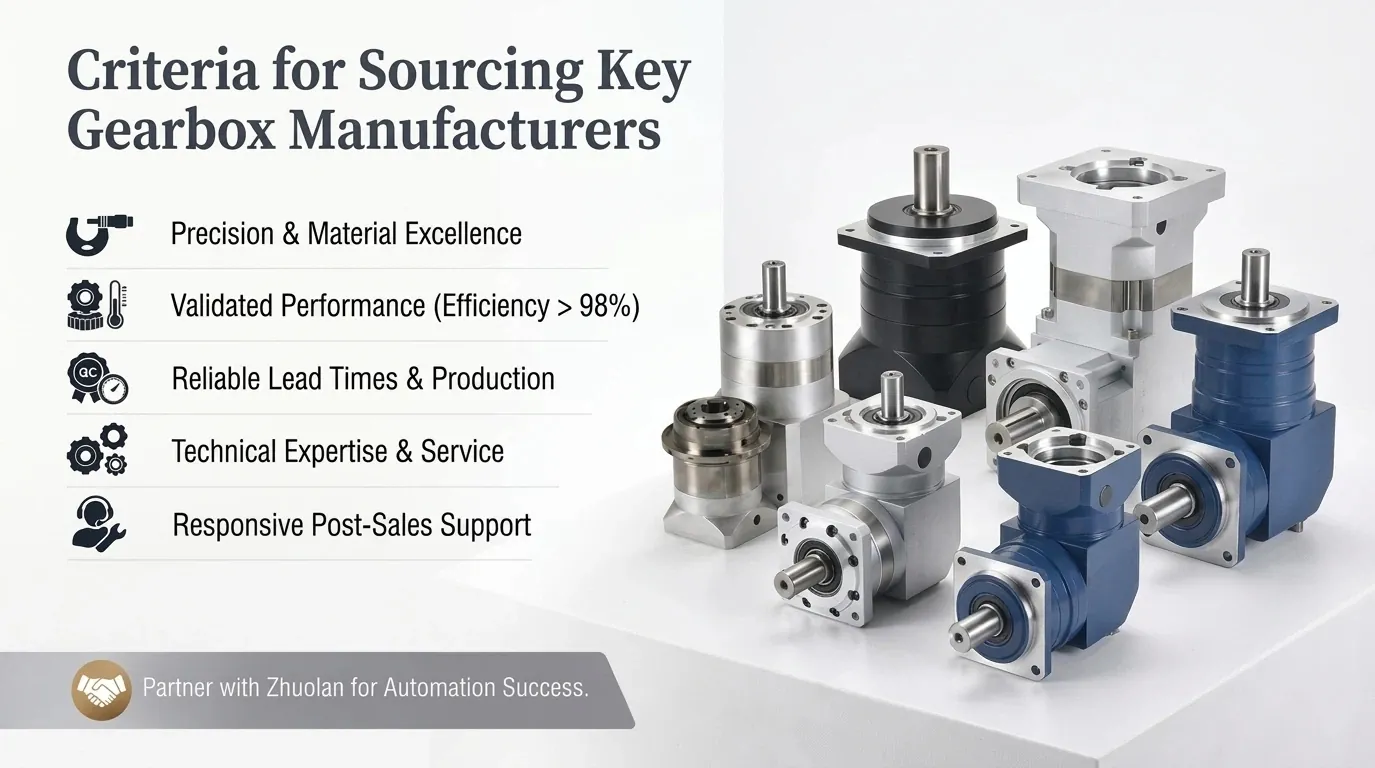
To simplify integration, equipment builders prefer complete, single-source drive packages rather than sourcing components individually. Working with specialized integration partners like Houzai, serving as the core partner for Zhuolan precision reducers, allows engineers to receive fully matched drive packages. Equipment manufacturers receive integrated systems combining Zhuolan planetary reducers, servo motors, stepper drives, and AGV wheel assemblies under one design standard. This approach minimizes multi-vendor compatibility risks and optimizes total procurement costs.
Trade-offs and Operational Limits of Custom Gear Systems
Customized drive solutions deliver high engineering value, yet customized components carry distinct operational limits. Production lead times run longer than off-the-shelf items, and initial tooling investments increase upfront cost. Standardized products offer quicker replacement availability during emergency maintenance downtime. Technical teams must balance long-term integration benefits against immediate lead times before deciding on custom modifications.
Frequently Asked Questions
How do engineers prevent overheating in small drive units?
Select the proper reduction ratio to keep motor operational speeds within efficient ranges. Use synthetic thermal grease, and verify that actual operating torque stays within continuous duty ratings.
What is the typical service life of a precision planetary gearbox?
Under normal operating conditions, clean maintenance, and correct load sizing, quality gearboxes deliver continuous operation exceeding 20,000 hours.
How does backlash affect robotic positioning accuracy?
Higher backlash creates rotational play in joints, causing positional drift and end-effector oscillation during fast directional changes. Low backlash ensures immediate force transmission.