Selecting the right industrial motor involves looking beyond the initial tag. You must understand what drives the market. Industrial motor buyers face constant price shifts in today’s market. Knowing how cost structures work helps plant managers and system builders plan better budgets.
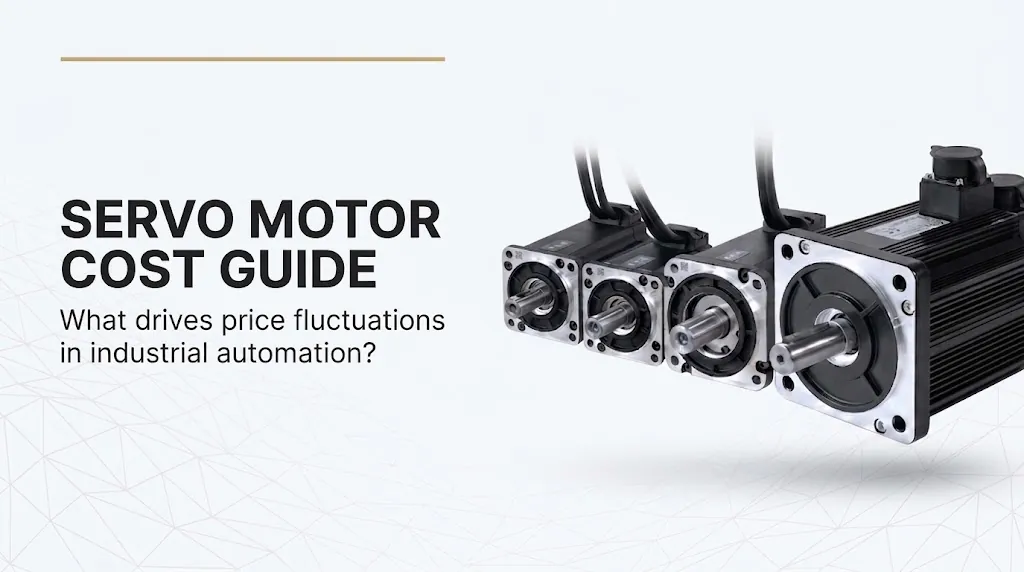
Core Factors Influencing Servo Motor Price Trends
Raw material prices directly change production costs. Advanced tech upgrades also shape market value over time.
Raw Material Costs and Supply Chain Shifts
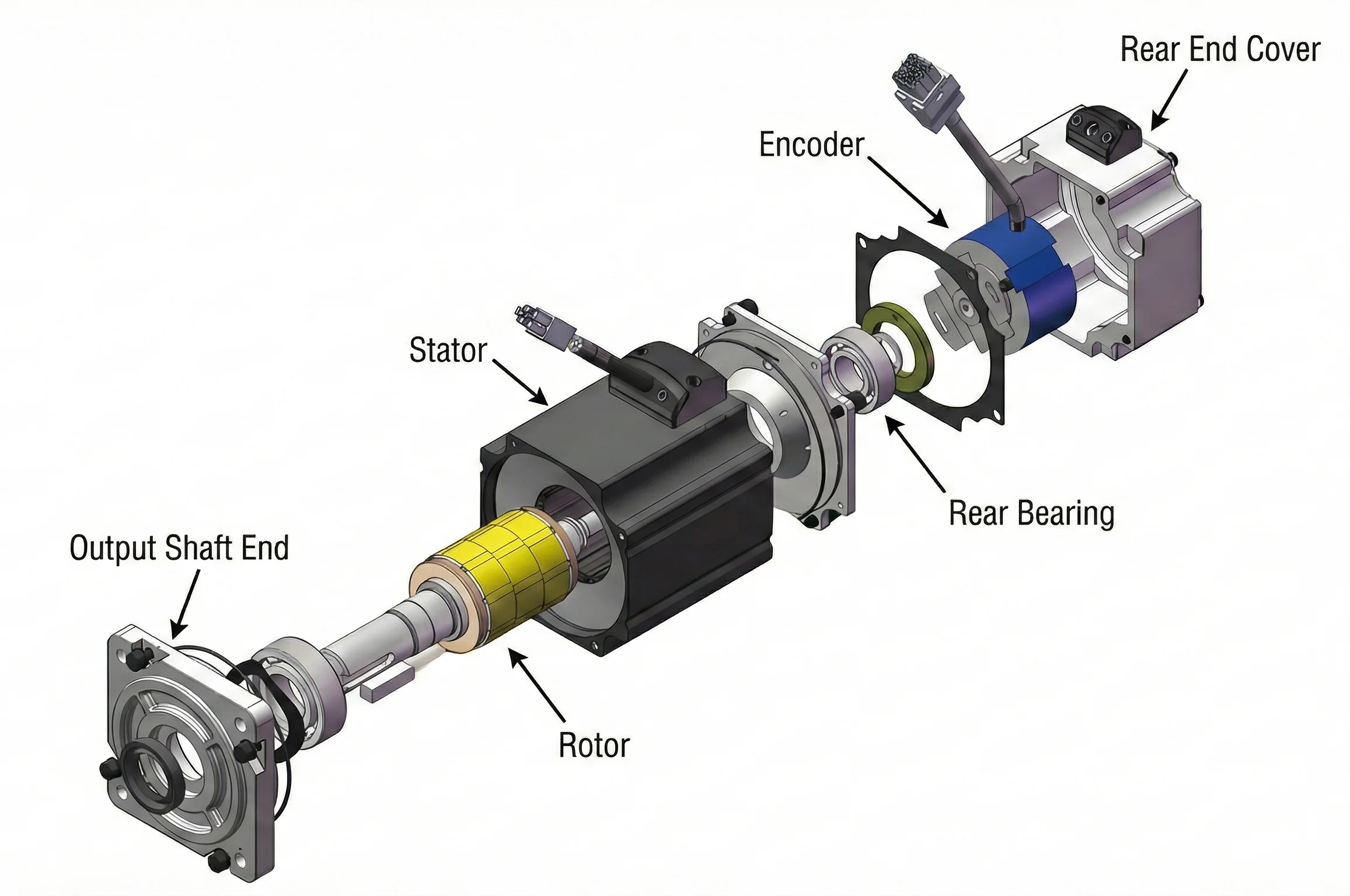
Core parts depend on rare earth magnets, copper wire, and high grade steel. Raw materials account for 50 percent to 65 percent of overall motor cost. Copper market prices change frequently. A 10 percent increase in copper price raises the final product cost by 3 percent to 5 percent. Global shipping delays and supply chain bottlenecks can increase prices further.
Technological Upgrades and Precision Requirements
Modern factory systems need higher precision. Motors with absolute encoders and smart feedback controls cost more to build. R&D investments increase initial development costs by 15 percent to 20 percent. Manufacturers spread these costs over a two year cycle. Prices start high during product launches and slowly drop as production scales up.
How Smart Buyers Balance Cost and Performance
Buying high end motors for basic conveyor belts wastes budget. Smart buyers match motor specs to real working needs.
Selecting the Right Specs for Your Automation Line
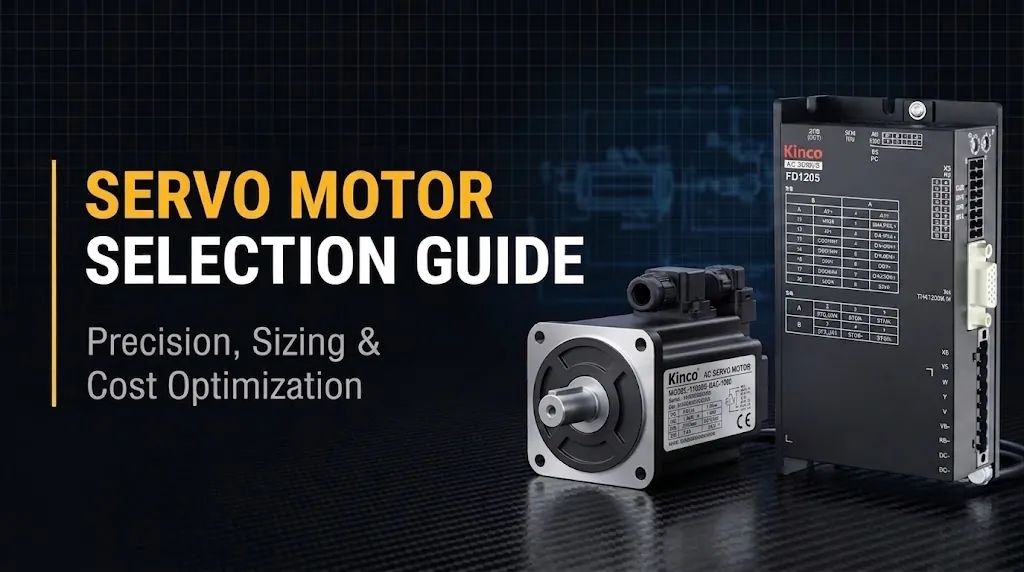
Match the motor size and speed to your exact torque load. High precision models suit CNC machinery and robotics. Standard models work fine for basic transfer lines. Choosing exact specs prevents paying extra for unused speed or torque capacity.
Combining Servo Motors with Efficient Reducers
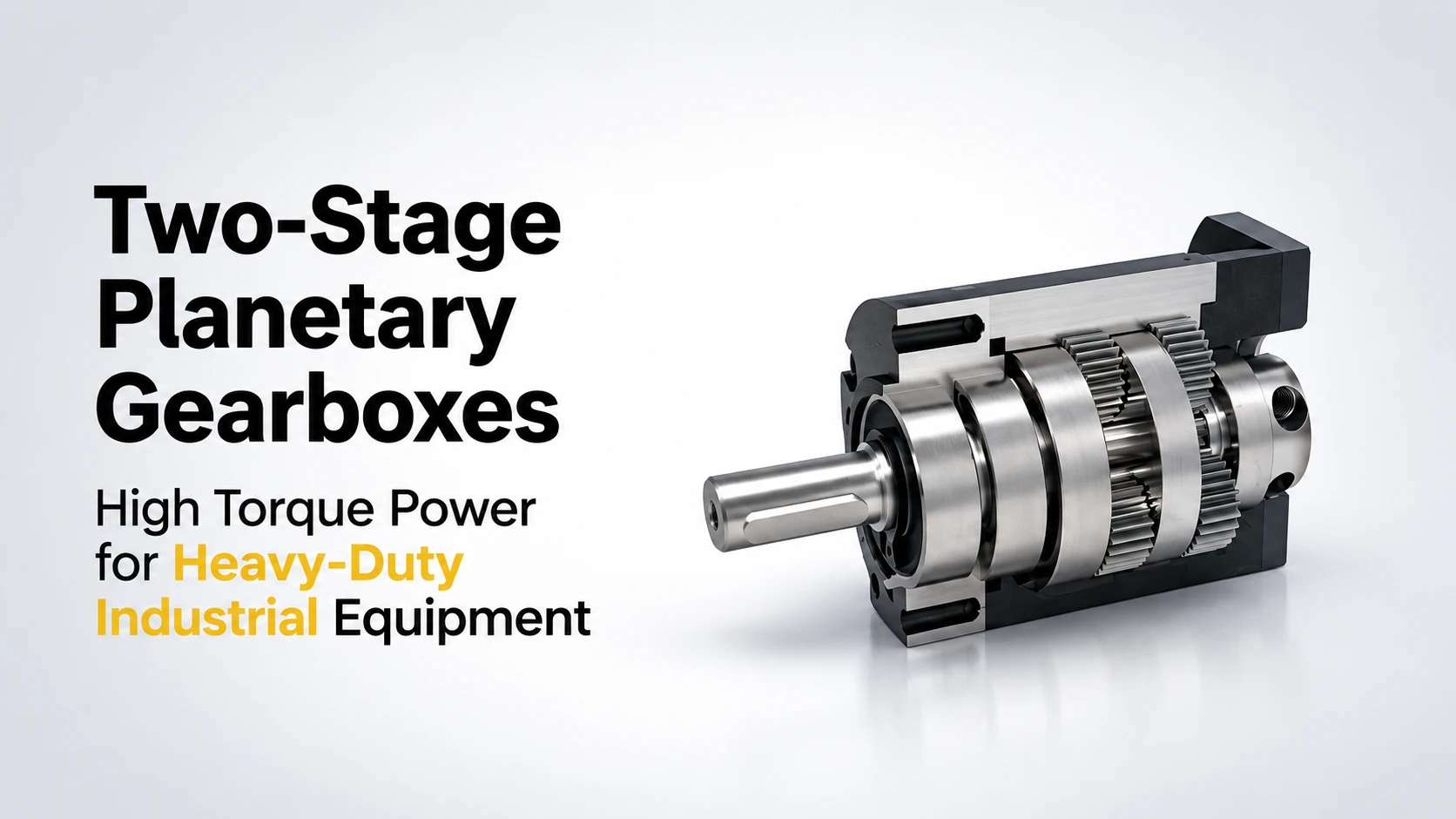
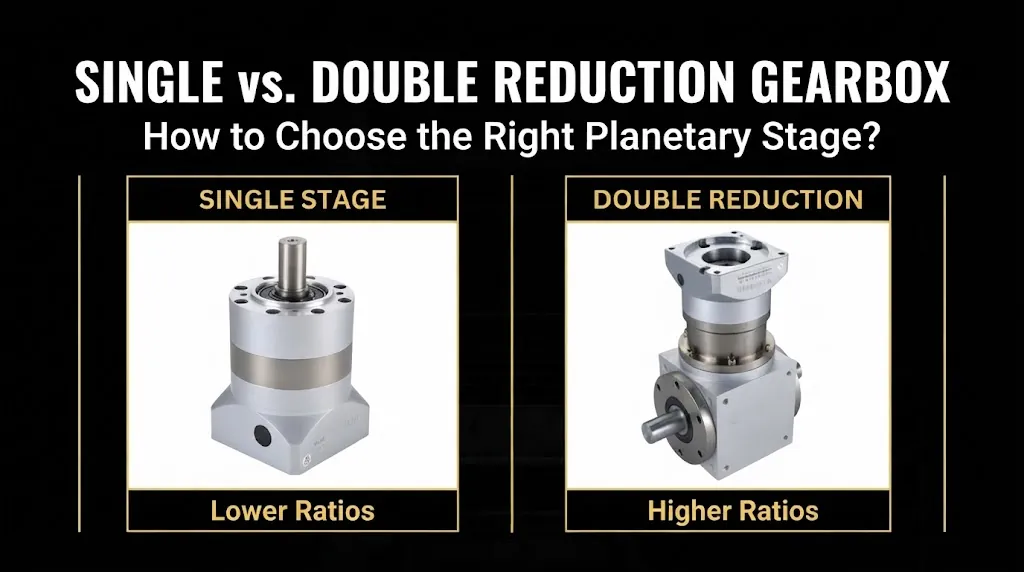
Pairing a servo motor with a high precision planetary gearbox boosts output torque. This combination allows you to use a smaller motor. Smaller motors lower your upfront hardware spend. They also reduce long term electrical power draw. Houzai helps clients source high performance Zhuolan planetary gearboxes and speed reducers alongside compatible motors to lower total cost.

Actionable Steps to Reduce Procurement Costs
- Audit your speed and load needs before choosing a motor size.
- Purchase motors and gearboxes together to get bundle discounts.
- Plan orders early to avoid high rush shipping fees.
- Request full testing reports to verify component quality.
- Work with integrated suppliers for long term technical support.
Frequently Asked Questions About Servo Motor Costs
What causes short term price changes in industrial motors?
Quarterly demand shifts and raw material costs drive short term price changes. Supply lead times of 18 to 24 months create small supply gaps.
How does a planetary gearbox lower motor expenditure?
A gearbox multiplies motor torque. This lets a smaller motor handle heavy loads. Smaller motors cost less to buy and operate.
Why do brand tiers matter when selecting motor parts?
Top brands offer tiered models. Base models handle standard tasks. Advanced models fit complex operations. Selecting the right tier helps control costs.
Risks of Choosing Low Quality Low Cost Motors
Very low prices often mean low quality components. Cheap bearings wear out fast and cause unexpected line stops. Poor insulation leads to short circuits under heavy continuous loads. Fixing a broken motor costs far more than the initial discount. Reliable gear systems and certified drive components keep your production line running smoothly.
Sources and Industry References:
- Industrial Equipment Cost Analysis: https://www.thomasnet.com/
- Automation Drive Component Trends: https://www.automate.org/