Single vs. Double Reduction Planetary Gearbox Overview
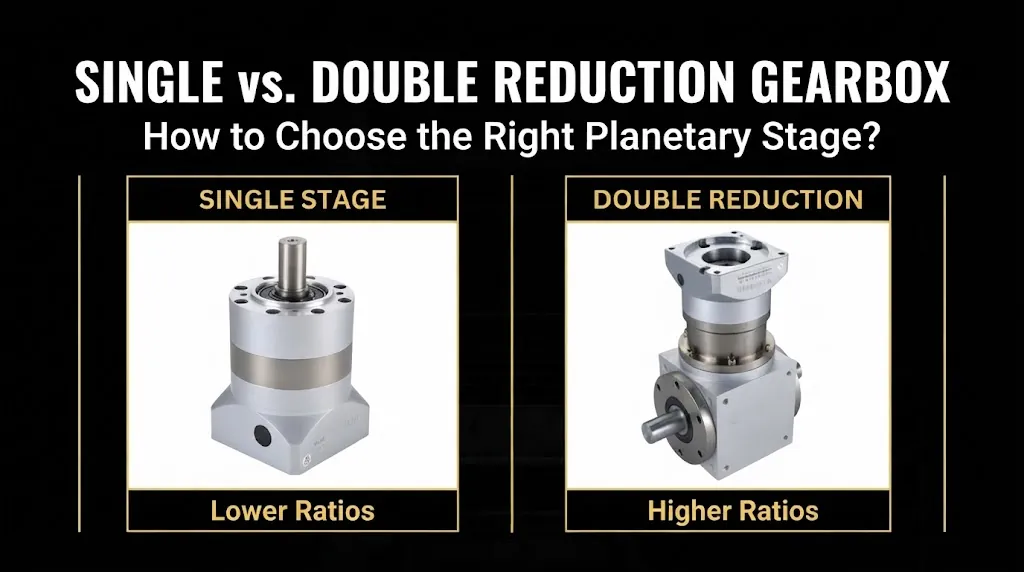
Planetary gearboxes help manage speed and torque in mechanical systems. Choosing between a single stage and a double reduction planetary gearbox depends on your target gear ratio, space limits, and torque demands.
| Feature | Single Stage Planetary Gearbox | Double Reduction Planetary Gearbox |
|---|---|---|
| Gear Ratio Range | 3:1 to 10:1 | 10:1 to 100:1 |
| Efficiency | Exceeds 95% | Around 90% to 93% |
| Torque Output | Moderate | High |
| Physical Size | Compact | Longer housing |
| Backlash | Very low | Slightly higher |
Single stage units offer higher mechanical efficiency and compact design. A double reduction planetary gearbox provides higher reduction ratios and greater torque capability for heavy duty machinery.
How a Double Reduction Planetary Gearbox Works
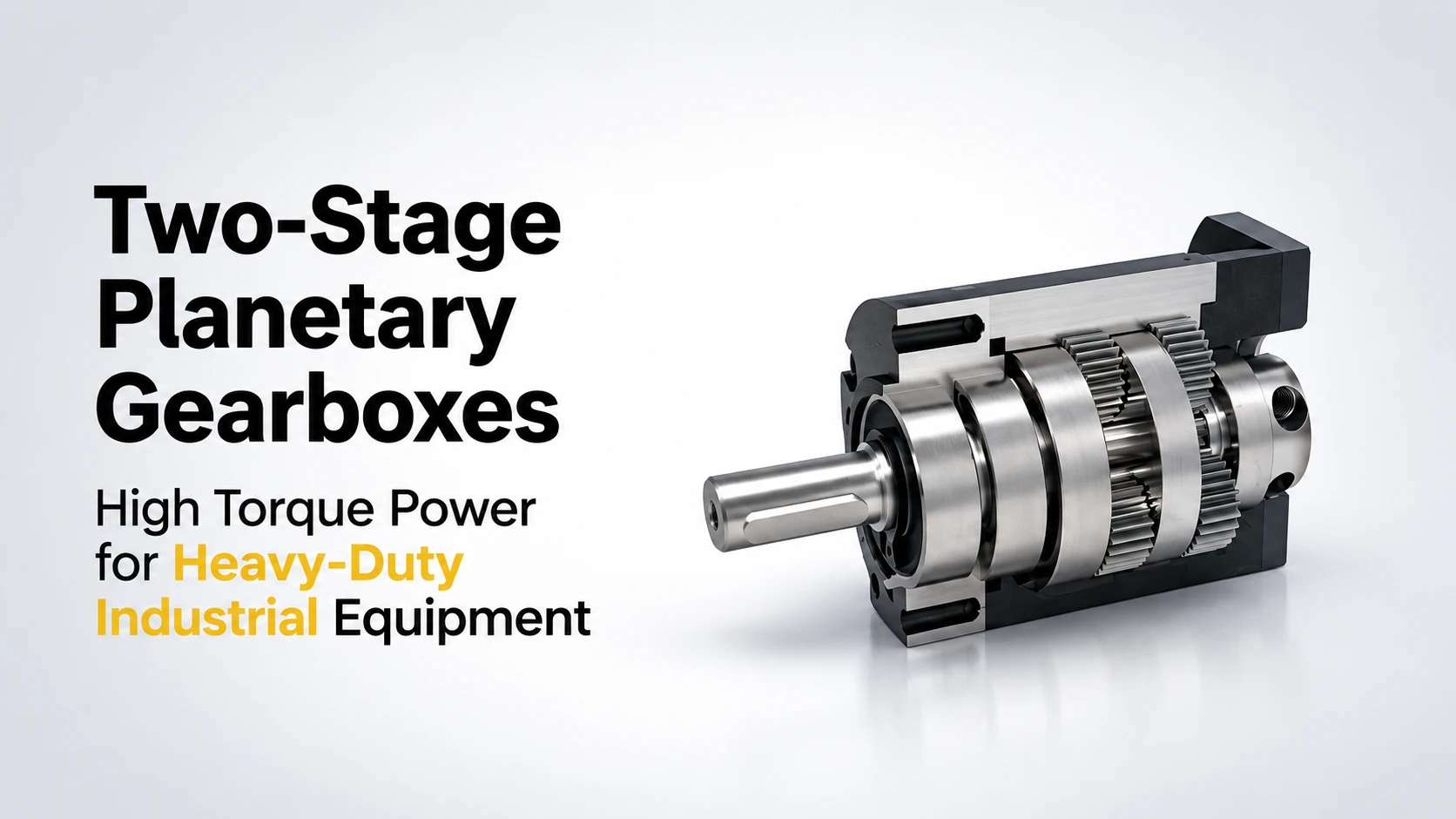
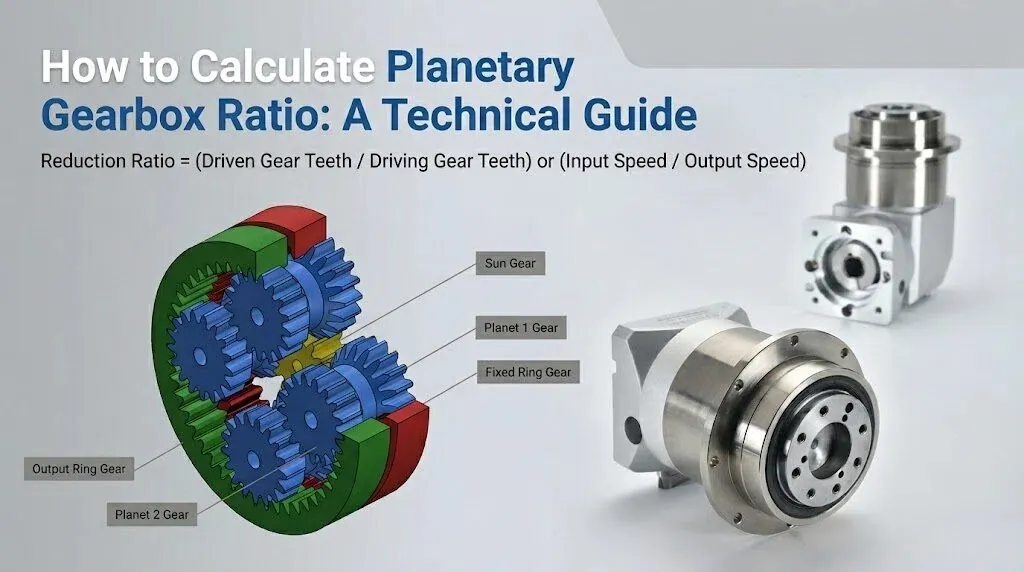
A double reduction planetary gearbox uses two sets of planetary gear trains connected in series inside one housing. Power enters the first gear stage through a central sun gear. The first set of planetary gears rotates and transfers the reduced speed to the second sun gear.
The second stage lowers the shaft speed again while increasing output torque. This dual stage design allows the system to achieve high ratios that a single stage unit cannot match. High precision manufacturing keeps energy losses low across both gear sets.
Key Differences Between Planetary Gearbox Stages
Reduction Ratio Capabilities
Single stage planetary gearboxes provide lower gear ratios, typically ranging from 3:1 to 10:1. They suit applications that need moderate speed reduction and fast response times.
A double reduction planetary gearbox handles higher reduction ratios from 10:1 up to 100:1. The extra planetary stage multiplies the gear ratio, making it ideal for driven equipment that requires low shaft speeds.
Efficiency and Thermal Performance
Energy transmission remains very high in single stage gearboxes because mechanical friction stays minimal. They routinely achieve over 95% efficiency.
A double reduction planetary gearbox incurs small additional friction losses from the second set of gears. Modern gear tooth grinding keeps efficiency levels high, usually between 90% and 93%. Good lubrication management helps maintain operating efficiency over long production shifts.
Physical Dimensions and Mounting
Single stage gearboxes feature a short overall length. They fit easily into tight spaces inside automated machinery and robotic joints.
The internal arrangement of a double reduction planetary gearbox adds length to the outer housing. Engineers must plan for this extra length during system design, though the mounting flange diameter often remains the same.
Backlash Considerations
Backlash refers to the slight movement between gear teeth when direction changes. Single stage models have fewer meshing points, which naturally keeps backlash lower.
Adding a second gear stage can increase total backlash due to cumulative mechanical tolerances. High precision manufacturing minimizes this gap, allowing double reduction units to perform well in positioning tasks.
How to Choose a Planetary Gearbox in 5 Steps
Step 1: Calculate Required Output Torque
Determine the continuous and peak torque your application demands. Multiply your load requirements by a safety factor to protect the gearing.
Step 2: Determine Target Reduction Ratio
Divide the input motor speed by your desired output speed. Ratios under 10:1 point to a single stage unit, while ratios above 10:1 require a double reduction planetary gearbox.
Step 3: Measure Available Space
Check the mounting envelope in your machine frame. Measure both radial clearance and axial length to confirm housing fitment.
Step 4: Verify Backlash Tolerance
Review your positioning accuracy needs. High precision applications may require premium low backlash gear options.
Step 5: Evaluate Total Operating Costs
Compare initial purchasing costs against long term energy consumption. Select the model that delivers optimal performance within your budget constraints.
Industrial Application Examples
Automated guided vehicles and heavy duty transport carts often rely on a double reduction planetary gearbox. These vehicles require high torque at low speeds to move heavy loads smoothly across factory floors.
A double reduction planetary gearbox mounts directly to the wheel drive motor, providing strong torque output while keeping the electrical current draw manageable. This setup extends battery operating life and improves transport reliability.
Single stage gearboxes remain the preferred choice for fast robotic pick and place units. These systems prioritize high speed, minimal backlash, and compact weight over extreme torque multiplication.
Limitations and Trade-Offs
While a double reduction planetary gearbox delivers exceptional torque, it involves mechanical trade-offs. The additional internal components increase the overall weight of the drive assembly.
The cumulative gear mesh slightly lowers total power efficiency compared to single stage models. Initial manufacturing costs are higher due to the extra precision components required. Proper lubrication selection is critical to manage operating temperatures over time.
Frequently Asked Questions
What is the main benefit of a double reduction planetary gearbox?
A double reduction planetary gearbox provides higher reduction ratios and higher torque output within a compact mounting footprint.
When should I choose a single stage planetary gearbox instead?
Choose a single stage gearbox when your system needs high speed efficiency, lower gear ratios under 10:1, and a shorter physical length.
Does a double reduction planetary gearbox require special maintenance?
Standard maintenance practices apply, but monitoring gear oil levels and ambient temperature ensures reliable multi-stage performance over a long service life.
Source Reference:
- Internal transmission test logs and planetary gearing standards guidelines (AGMA / ISO standards for gear rating and efficiency).