In the world of mechanical transmission, achieving precise speed control and high torque output is essential. Planetary gearboxes have become a top choice for many applications due to their unique design. Selecting the right model involves more than comparing prices. It is a technical process that requires a deep understanding of your system requirements. This guide will explain how to choose the best gearbox for your automation needs.
Understanding the Planetary Gearbox Advantage
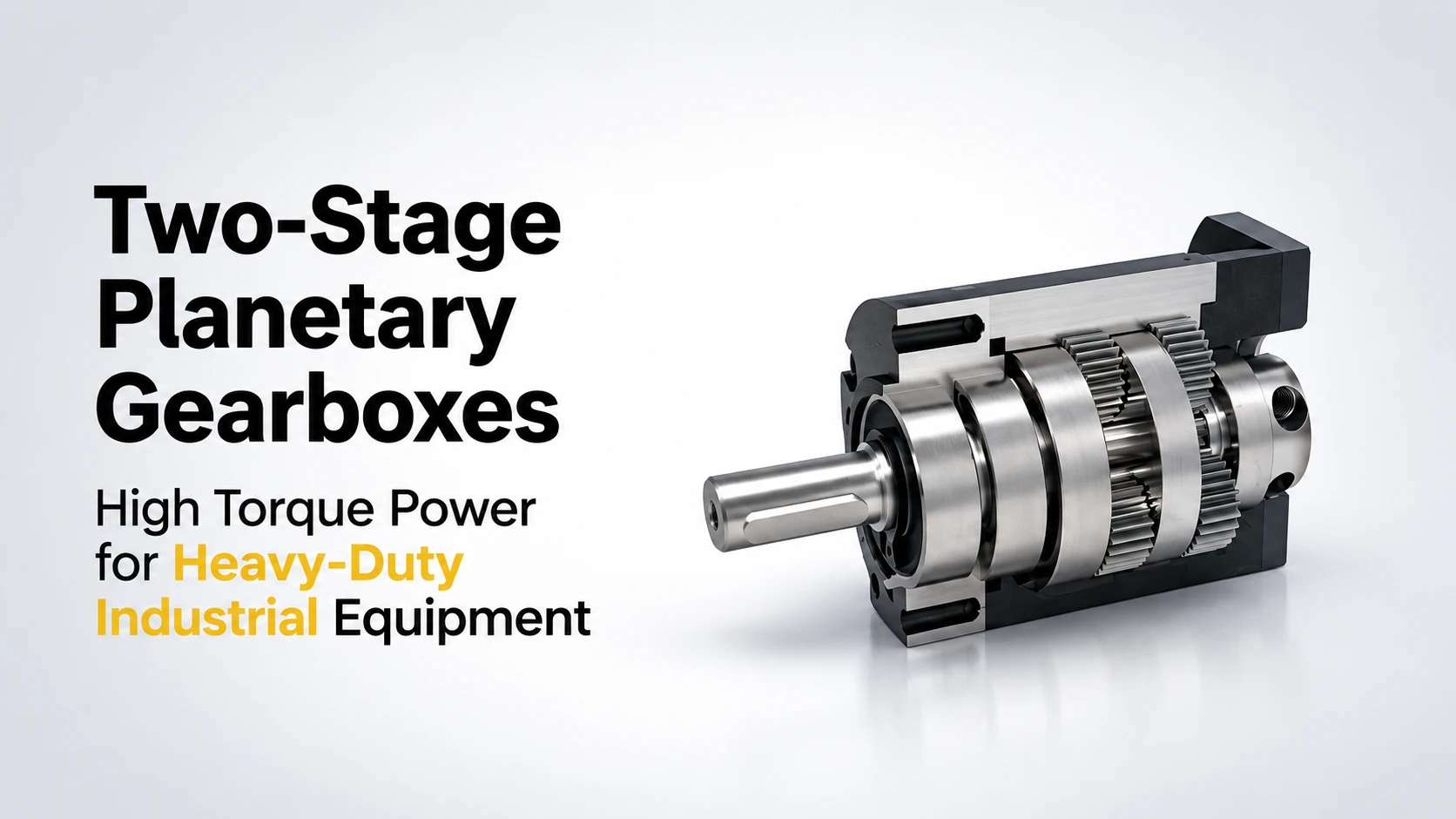
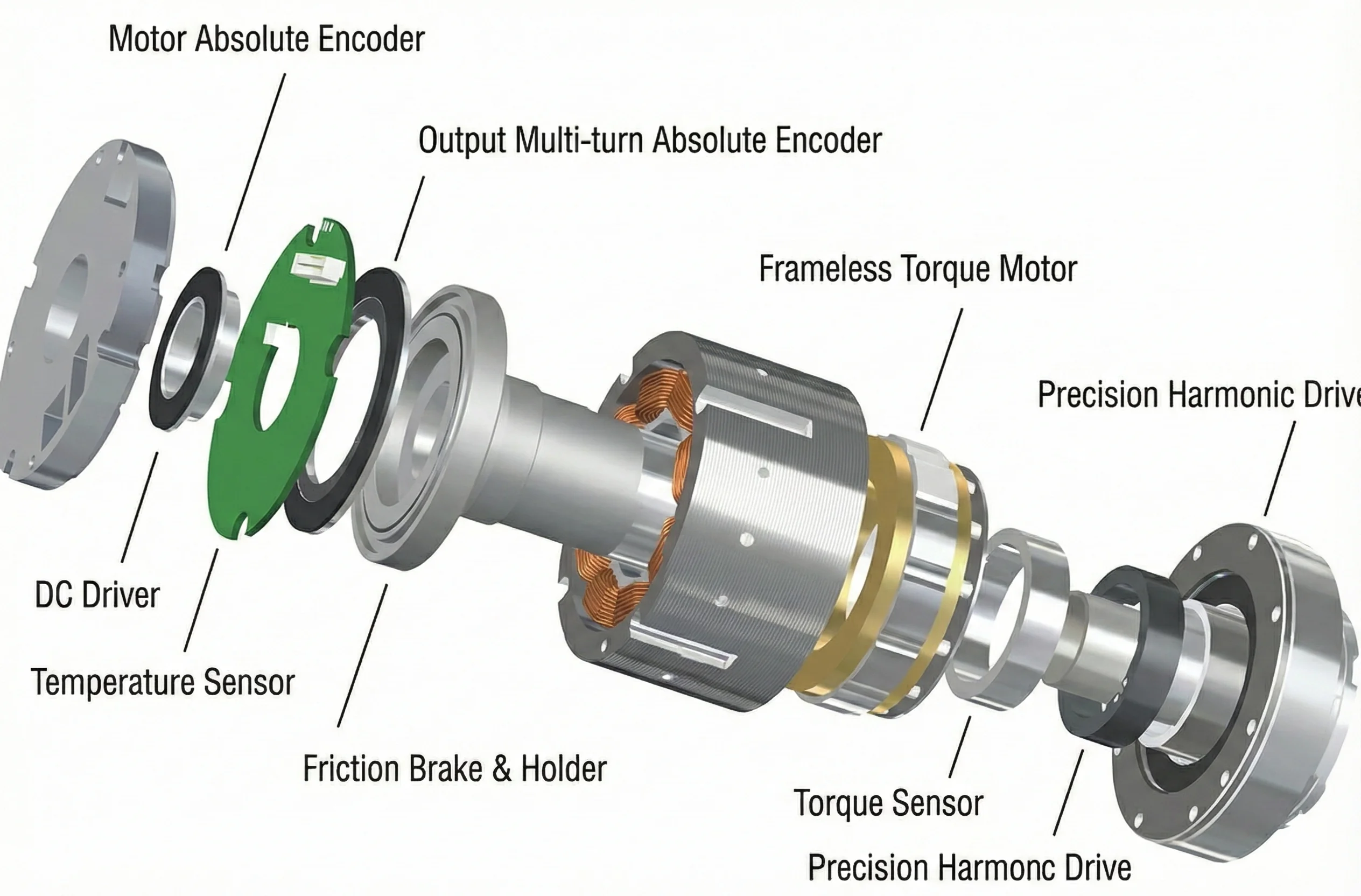
A epicyclic gearbox functions like a mini solar system. It consists of a planetary sun gear, multiple planet gears, a planet carrier, and a ring gear. This structure allows the unit to distribute power across several teeth. This design leads to a very high torque density compared to standard gearboxes.
Compact Design and High Torque Density
Because the load is shared among several planet gears, these units can handle significant force in a small frame. This makes them ideal for modern machines where space is limited. Houzai provides Zhuolan gearboxes that offer high rigidity and a compact footprint for complex builds.
Superior Efficiency Compared to Other Technologies
When we compare planetary units to worm gearboxes, the efficiency difference is clear. Planetary gearboxes often reach over 95 percent efficiency. Worm gears use sliding friction, which creates heat and wastes energy. While worm gears offer self-locking features, planetary gearboxes are the better choice for energy-sensitive applications.
Key Parameters for Choosing Your Gearbox
Selecting a gearbox requires a step-by-step approach to ensure long-term reliability. Our engineering team at Houzai suggests focusing on these specific technical metrics.
Calculating the Gear Ratio for Your Motor
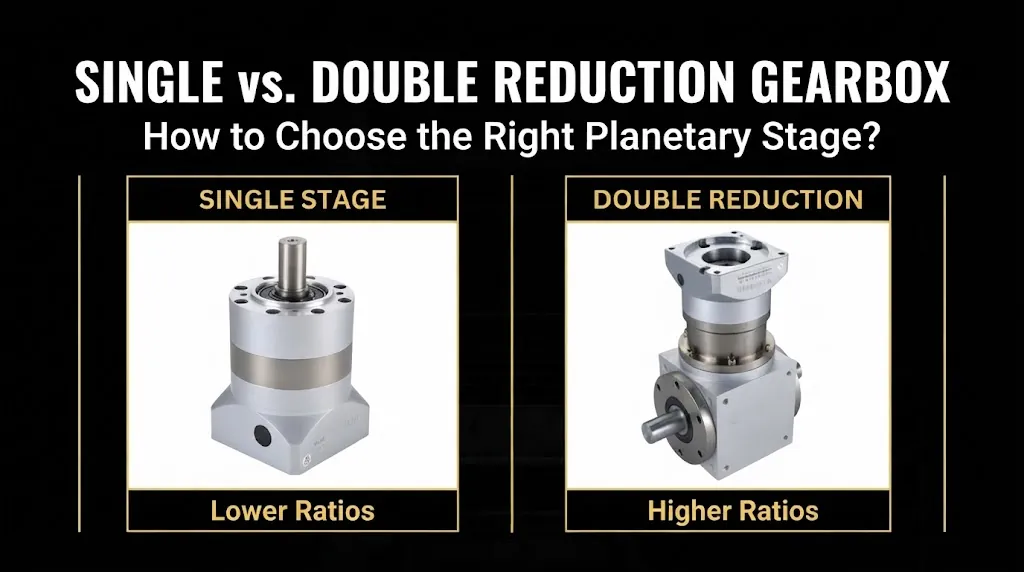
The reduction ratio is the first parameter to define. It is the ratio of input speed to output speed. You must calculate this based on the rated speed of your servo or stepper motor. Most single-stage planetary gearboxes offer ratios between 3 and 10. You can combine stages to reach much higher ratios if your application requires it.
Assessing Backlash and Precision Requirements
Backlash refers to the tiny amount of play between gears. It is measured in arc-minutes. For robotics or CNC machines, you need a low-backlash precision gearbox. For basic conveyor belts, a standard grade may suffice. Lower backlash ensures higher positioning accuracy during directional changes.
Practical Steps for a Seamless Installation
A great gear reducer only performs well if it fits your system perfectly. You must verify several mechanical interfaces before making a final decision.
Matching Motor Interfaces and Dimensions
The input side of the gearbox must match your motor perfectly. Check the input shaft diameter and the flange mounting holes. If the interface does not align, the motor cannot transfer power effectively. Houzai offers technical support to ensure your motor and Zhuolan reducer work as one unit.
Accounting for Environmental Factors
Consider where the machine will operate. Standard units come with factory-sealed lubrication. However, extreme heat or high dust levels may require special seals. Also, consider heat dissipation if the gearbox runs at high loads for long periods. Choosing a larger size can sometimes help manage the thermal load.
Common Selection Pitfalls to Avoid
Many engineers make the mistake of choosing a gearbox based only on motor power. Power is a product of torque and speed. Two motors with the same power can have very different torque outputs. Always select based on specific torque requirements.
Another common error is ignoring the safety factor. Theoretical calculations do not account for unexpected shocks or jams. We recommend using a safety factor of 1.5 to 2.0 to ensure the longevity of the transmission system.
Finally, do not overlook installation precision. Even the best gearbox will vibrate if it is not aligned with the load. Proper alignment is the foundation of a quiet and efficient system.
Why Choose Houzai and Zhuolan for Your Projects
Houzai serves as the primary agent for Zhuolan, a manufacturer known for high-quality motion control products. We provide a one-stop solution that combines mid-to-high-end quality with excellent cost-effectiveness. Our team offers technical guidance to help you navigate the selection process.
Whether you are building AGVs or automated assembly lines, we provide the hardware and expertise you need. Our goal is to balance technical performance with your budget constraints.
Frequently Asked Questions about Gearbox Selection
Q: What is the difference between a planetary gearbox and a spur gearbox?
A: Planetary gearboxes are coaxial and more compact. They handle higher torque because the load is shared among multiple gears, whereas spur gearboxes use single-tooth contact.
Q: Can a planetary gearbox replace a worm gear?
A: Yes, if you need higher efficiency and torque. However, you may need an external brake because planetary gearboxes do not have the self-locking property of worm gears.
Q: How do I calculate the service life of a reducer?
A: Service life is usually rated in hours based on specific load conditions. Our team can help you verify the calculated life based on your actual duty cycle.