In modern smart factories, we often watch automated guided vehicles move with grace. They act like tireless workers. People focus on the motors or software. However, a small part makes it all possible. This part is the AGV caster.
If the motor is the heart and the system is the brain, then casters are the hands and feet. These wheels allow robots to touch and move through the world. Today, we look at this small but high tech component. We will see how it supports the huge smart logistics market.
The Evolution of Industrial Wheels for Logistics
In the past, people saw casters as simple rolling wheels. For an AGV that works all day, this idea is old. These wheels are now core modules. They affect how fast a robot moves and how well it stops. They also change how much power the machine uses.
Industrial work sites are getting more complex. A robot might work in a clean electronics room or a dusty dock. Some work in cold freezers while others carry heavy steel. These needs force wheels to be better. They must resist wear and roll with little effort. They must also stay quiet and stop static. A small wheel is now a mix of material science and precision engineering.
Exploring Different Types of AGV Wheels
Engineers create different wheels for different jobs. These parts work together to help the robot move in many ways.
Drive Wheels and Steering Power
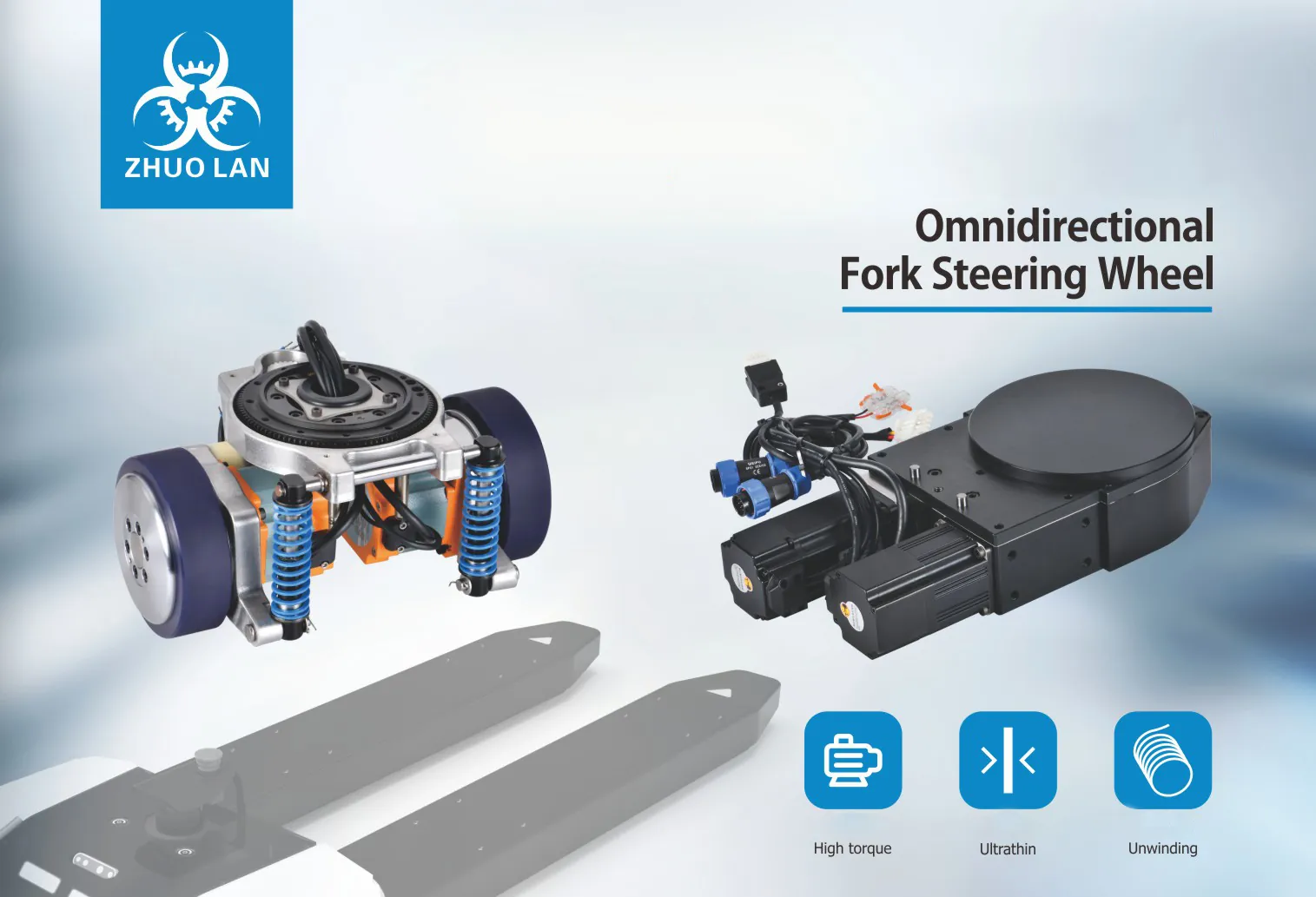
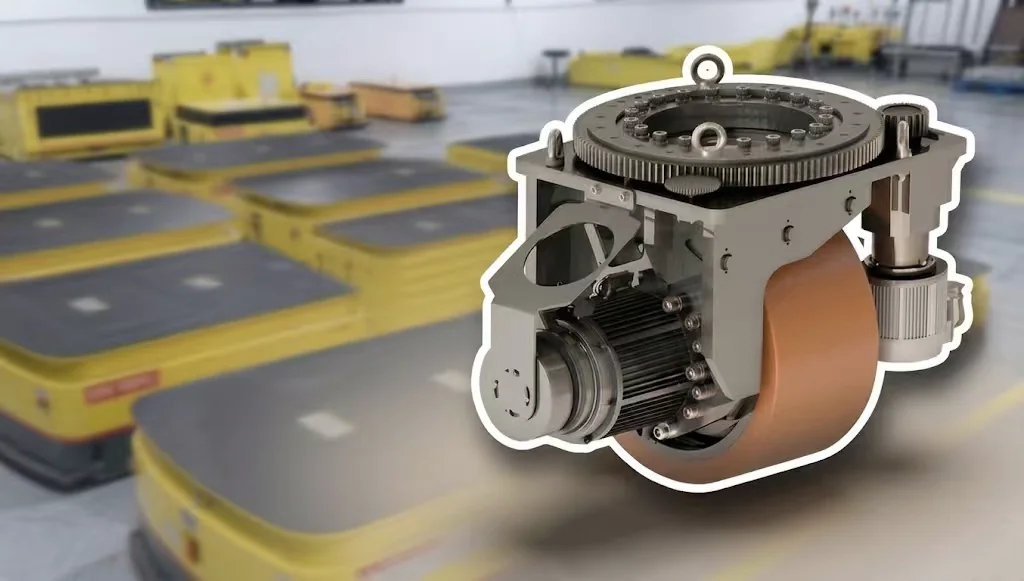
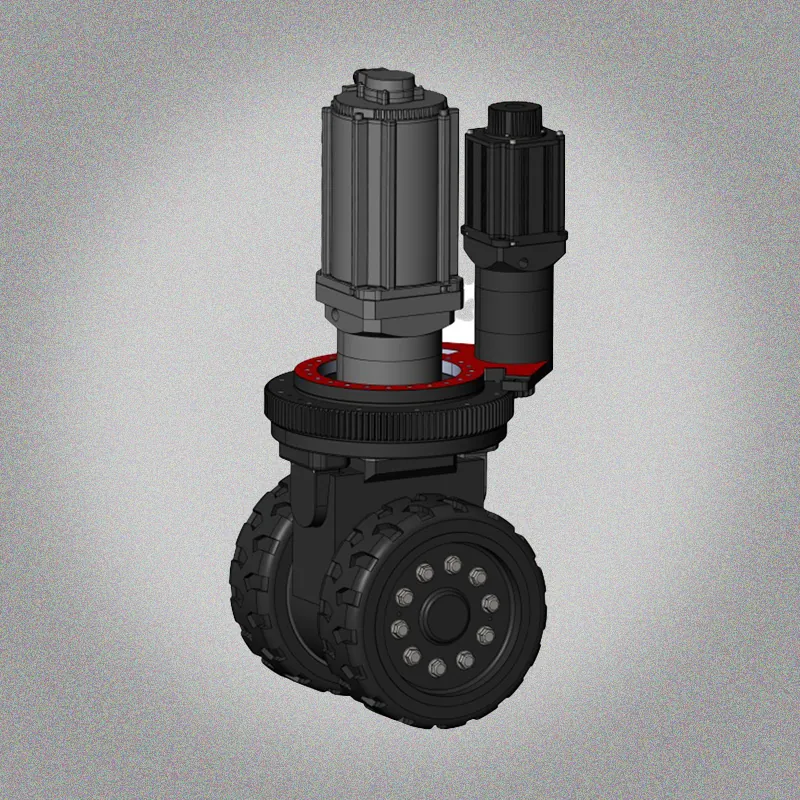
These wheels are the power source. A simple drive wheel moves the robot forward or back. A steering wheel is more complex. It combines a drive motor and a steering motor. This allows the whaeel to turn 360 degrees. This makes it easy for robots to move in tight spots.
High end drive wheels use special treads. At Houzai, we see how Zhuolan products use high grade polyurethane. This material is cast onto a metal core. It lasts a long time and helps save battery life. This lets machines run for 24 hours without a break.
Swivel and Auxiliary Casters
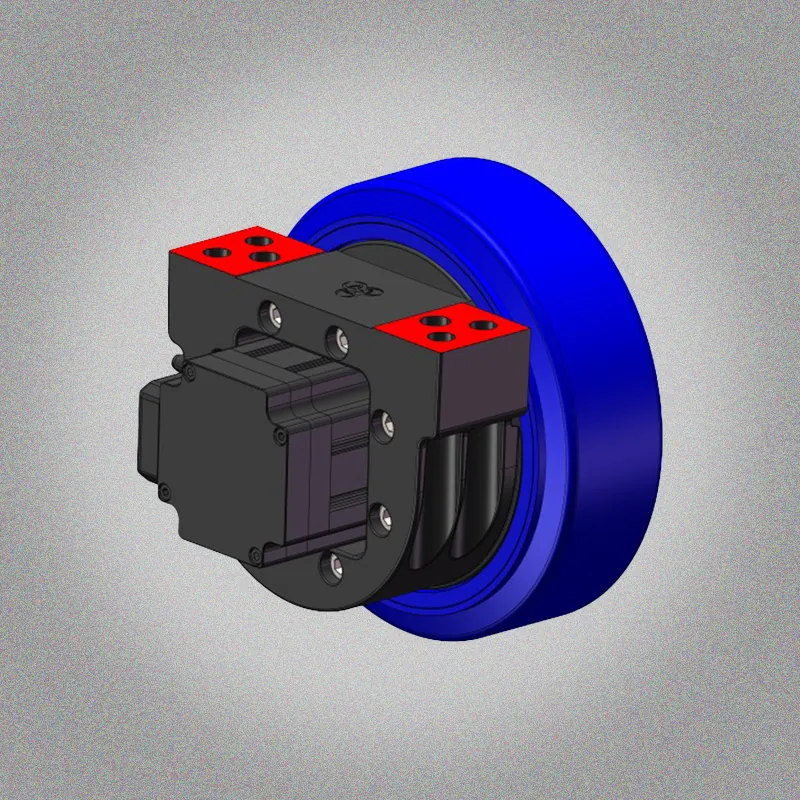
These AGV steering wheels do not have motors. Still, they are very important. They support the weight and keep the robot stable. In low profile robots, these wheels must be small but very strong. They need to turn easily even when carrying heavy loads. Some designs use two wheels together. This helps reduce wear on the floor and saves energy.
Mecanum Wheels for Total Movement
Sometimes you see a robot move sideways like a crab. This is the work of a Mecanum wheel. These wheels have small rollers around the edge. By changing how each wheel spins, the robot can move in any direction. This is a great tool for narrow aisles where a robot must change its position often.
The Science of Materials and Precision
The best wheels are not just about shape. The secret lies in the materials and how they are made.
Polyurethane is the top choice for many industries. High performance types offer great strength. They do not tear easily even under heavy weight. The casting process bonds the material to the wheel core. This creates a wheel that can absorb bumps but stay firm for heavy lifting.
Precision bearings also make a big difference. Most AGV wheels use sealed ball bearings. This design keeps dust and hair out of the moving parts. It makes the wheels turn smoothly for a long time. This also means less work for maintenance teams.
As factories become more automated, wheels get smarter. Some have anti static features to prevent sparks. Others use special tread patterns to stay silent. This makes the work environment better for human staff.
Selecting the Right Solution for Your Facility
The market for these parts is growing fast. More companies are moving toward automated storage. This creates a need for specialized solutions. One type of wheel does not fit every task.
In car factories, wheels must handle high heat and heavy weight. In general warehouses, wheels must start and stop quickly. In hospitals, everything must be clean and very quiet.
Choosing a partner is key for manufacturers. A good supplier does more than sell parts. They help with the design of the robot. They use math and physics to find the best balance between strength and movement. This is where the partnership between Houzai and Zhuolan adds value. We provide technical support to ensure every wheel fits the specific needs of the site.
Frequently Asked Questions
Q: Why does the wheel material matter for battery life?
A: Hard materials with low rolling resistance require less power to move. This means the robot can work longer on one charge.
Q: How often should industrial casters be replaced?
A: It depends on the floor and the load. High quality polyurethane wheels last much longer than standard rubber wheels. Regular checks help prevent sudden failures.
Q: Can these wheels work on uneven floors?
A: Yes, many auxiliary wheels use spring systems. These help the robot stay level even if the floor is not perfect.
Conclusion
When we watch robots move in a smart factory, we should look at the floor. The AGV castor is a traditional part with a new life. It uses new materials and better designs to connect the digital world to the physical world.
Small wheels lead to big changes. The focus on these small details makes a logistics system reliable. The next time a robot glides past you, remember the wheels. They are the pulse of modern industry.