In the rapidly evolving landscape of modern industrial automation, the motor acts as the heart of every drive and transmission system. However, when upgrading a factory or designing a new production line, decision-makers often face a critical choice: Servo Motor vs Regular Motor.
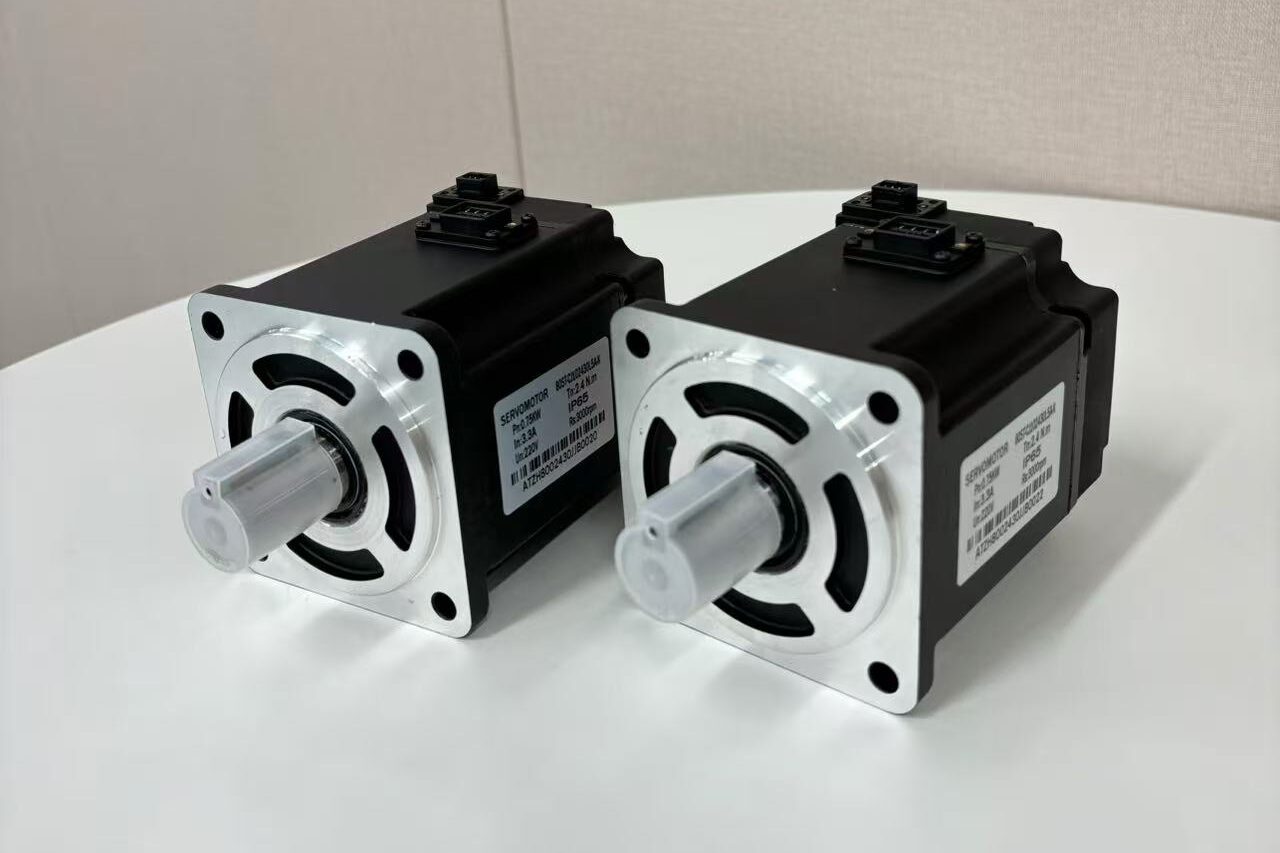
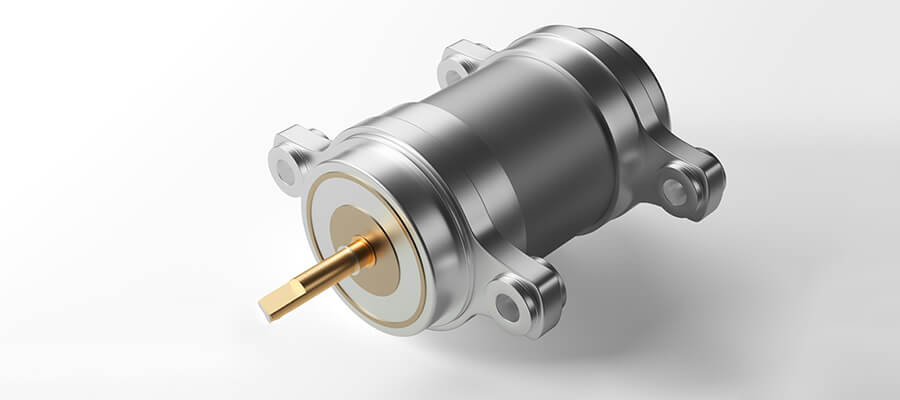
At Houzai, through our premium Zhuolan brand, we have observed that understanding this distinction is the first step toward achieving a high-performance, cost-effective manufacturing setup. This guide breaks down everything you need to know for your next industrial motor selection.
the Core Differences
To choose the right equipment, you must first understand how these two technologies differ in their fundamental DNA.
Working Principles: Feedback vs. Open-Loop
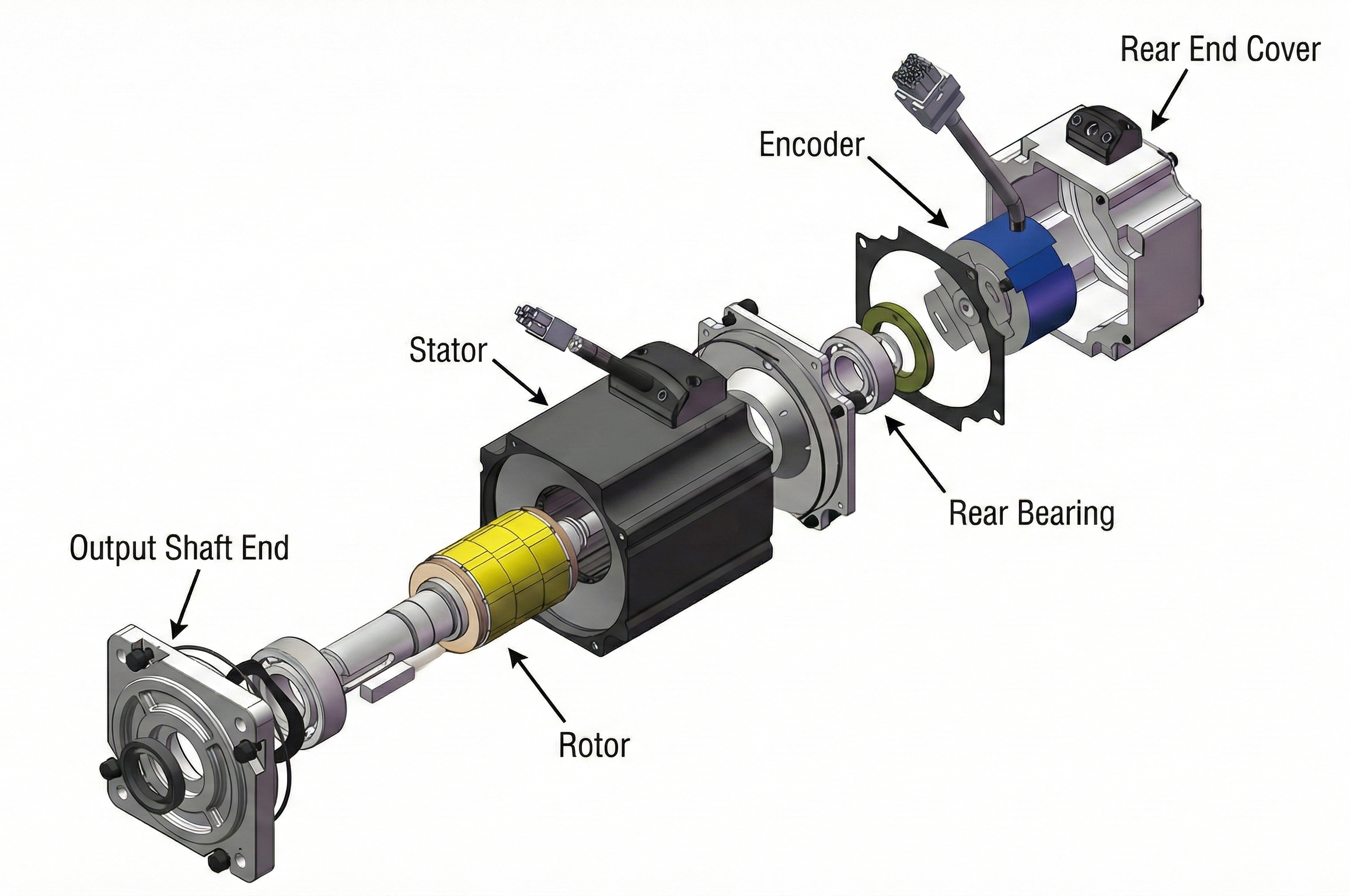
A servo motor is designed to “follow” control signals with extreme precision. It is more than just a motor; it is part of a sophisticated closed-loop system. Every servo motor is equipped with a feedback device, such as an encoder or resolver, which monitors position and speed in real-time. This information flows back to the control system, allowing for constant adjustments to ensure the motor performs exactly as commanded.
Conversely, a regular motor (often an induction motor) operates on simpler electromagnetic principles to convert electrical energy into mechanical energy. It typically lacks a feedback mechanism. While it is reliable for steady tasks, it cannot “know” its exact position or adjust its speed with the same level of intelligence as a servo system.
Performance Showdown: Precision and Speed
In modern manufacturing, every millisecond and every micrometer counts. This is where the gap between the two motor types becomes most apparent.
Why Millisecond Response Matters
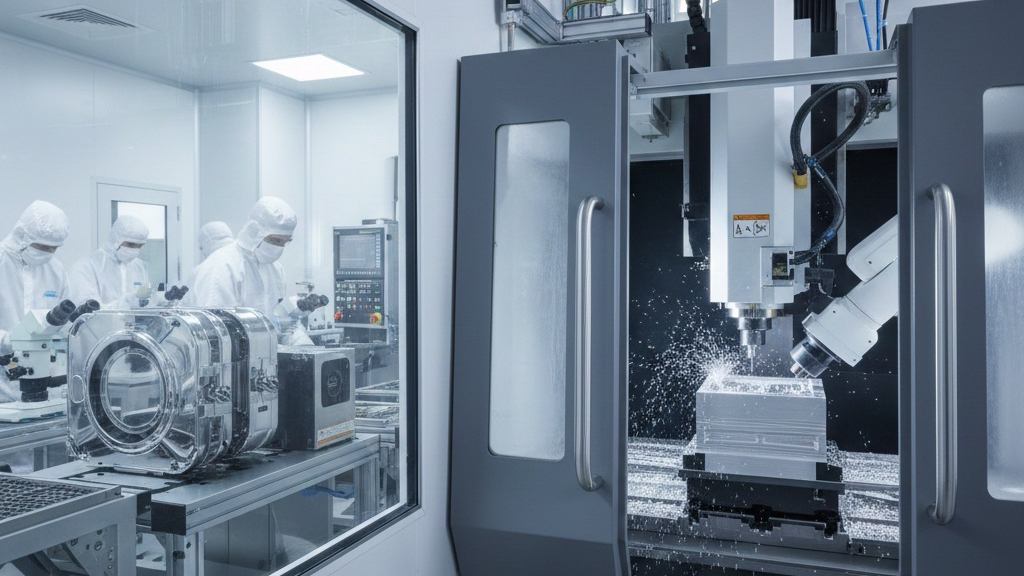
Servo motors are the champions of precision. Their control accuracy can reach the micrometer or even nanometer level. This makes them indispensable for industries requiring meticulous motion control, such as high-end CNC machining or precision electronic assembly. Furthermore, their response time is measured in milliseconds. They can start, stop, and reverse direction almost instantly.
Regular motors, while robust, offer much lower control precision and slower response times. They are best suited for applications where the motor runs at a relatively constant speed for long periods without the need for frequent or highly accurate positioning.
Structure and Long-term Investment Cost
Budget is always a primary concern in industrial motor selection. However, the “cheapest” option at purchase is not always the most “cost-effective” in the long run.
Initial Cost vs. Operational Value
The mechanical structure of both motors consists of a stator and a rotor. However, a servo system is more complex because it requires integrated encoders and specialized servo drivers. This complexity leads to a higher initial purchase price and requires more specialized maintenance.
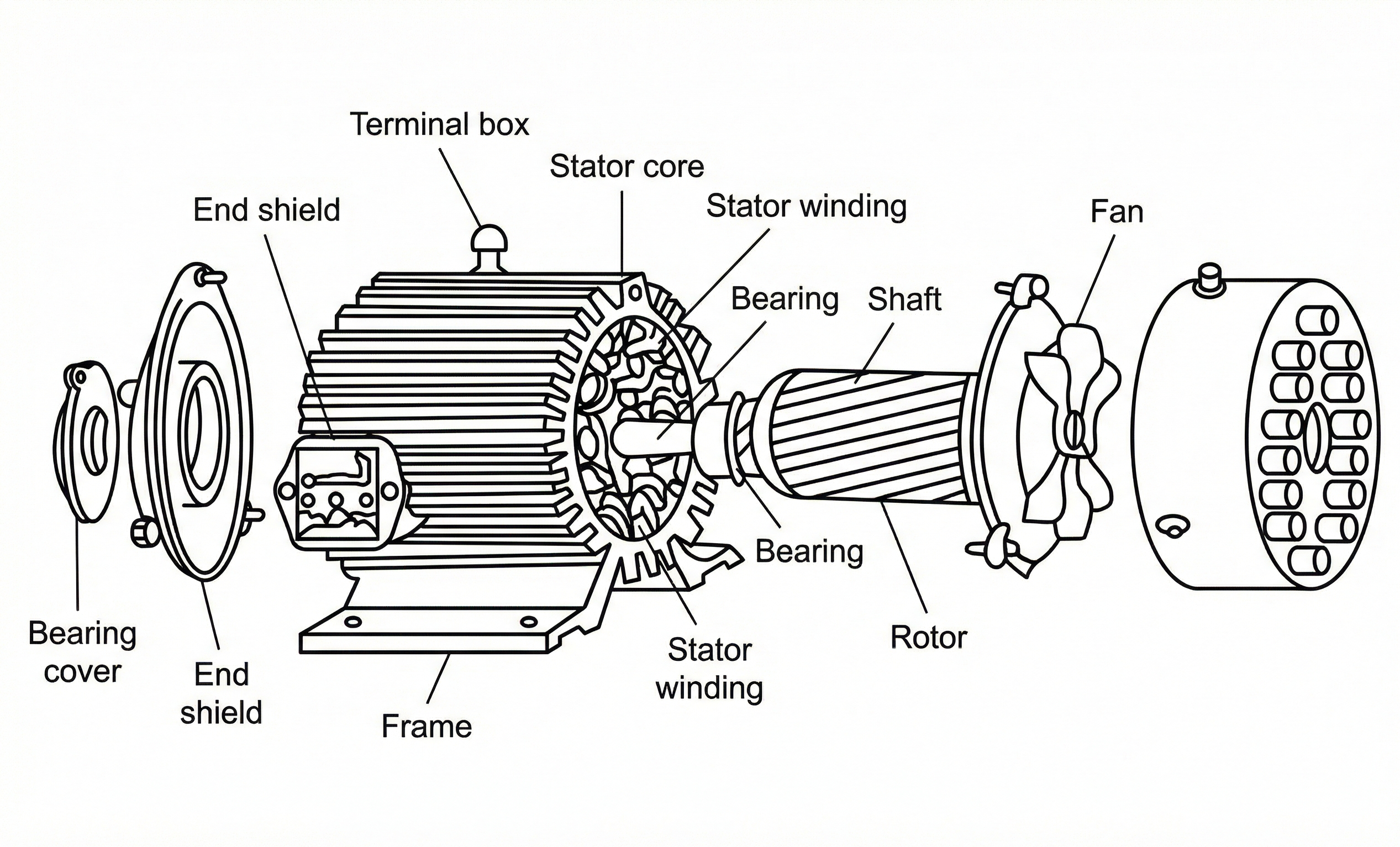
A regular motor is simpler, consisting mainly of the motor body and a power supply. This simplicity makes it affordable and easy to maintain for general industrial applications.
Comparison Table: At a Glance
| Feature | Servo Motor | Regular Motor |
| Control Mode | Closed-loop (Feedback) | Open-loop (No feedback) |
| Precision | Micrometer/Nanometer level | Low/General |
| Response Speed | Millisecond level | Relatively slow |
| Cost | Higher initial investment | Lower initial investment |
| Complexity | High (Requires driver/encoder) | Low (Simple structure) |
Practical Applications in Modern Manufacturing
Where should you deploy these technologies? The choice depends entirely on your specific automation goals.
When to Choose Zhuolan Servo Solutions
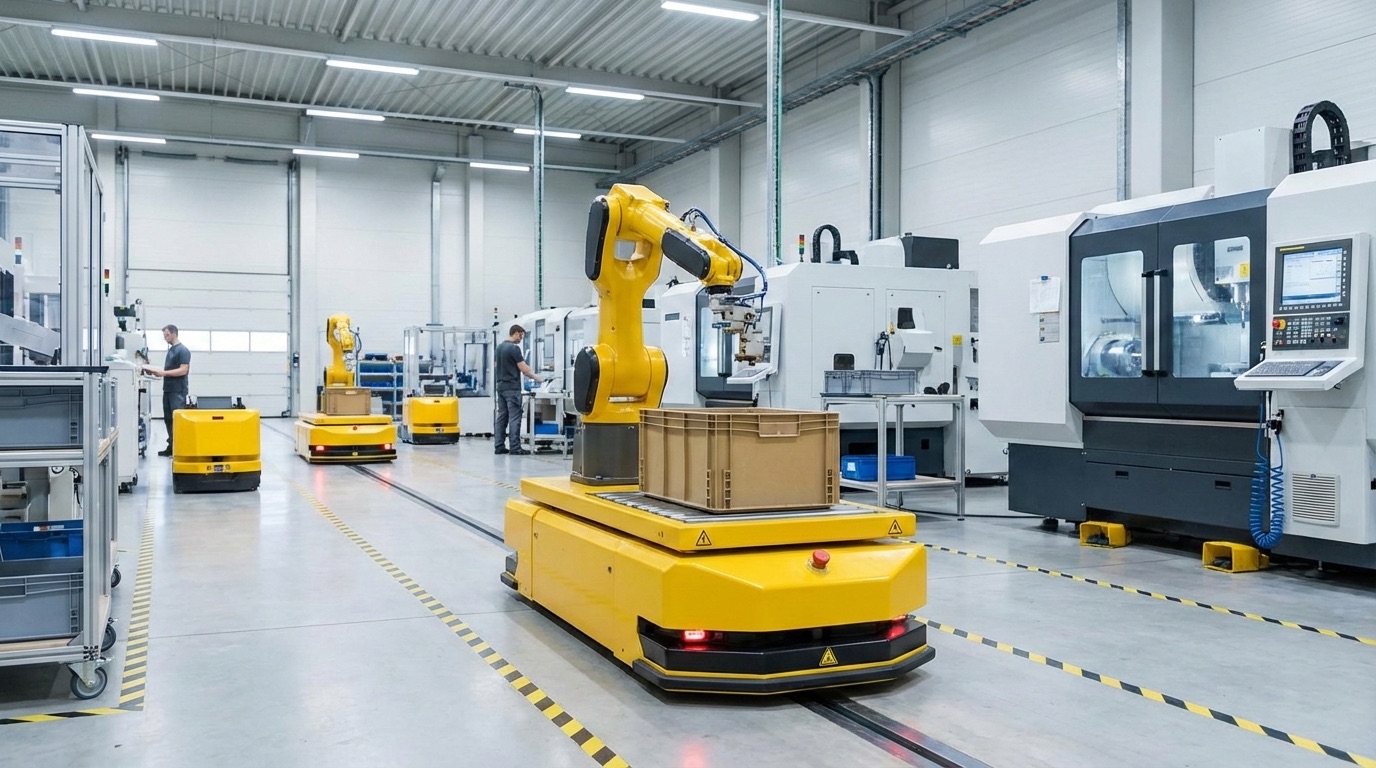
Because of their high precision and rapid response, servo motors are the backbone of:
- Robotics: For precise limb movements and path planning.
- Automated Assembly: For exact placement of components.
- Precision Machining: Where high-speed and high-accuracy cuts are required.
At Houzai, our Zhuolan servo products are designed to bridge the gap between high performance and affordability. We focus on providing cost-effective servo motor solutions that empower growing factories to upgrade to world-class automation without the “luxury” price tag.
For simpler tasks like driving a basic conveyor belt, a fan, or small household appliances like shavers, a regular motor remains the most efficient choice.
Making the Right Move
In summary, the “Servo Motor vs Regular Motor” debate isn’t about which is better, but which is right for your application. Servo motors offer the high-speed, high-precision control necessary for the future of smart manufacturing. Regular motors offer the simplicity and low cost needed for basic power tasks.
When you partner with Houzai, you aren’t just buying a motor; you are investing in a tailored solution. Our Zhuolan brand ensures that your transition to high-precision automation is smooth, reliable, and, most importantly, cost-effective.
Frequently Asked Questions (FAQ)
Can I replace a regular motor with a servo motor?
Yes, but you will also need to install a servo driver and potentially update your control software to handle the feedback data.
Is a servo motor more energy-efficient?
Generally, yes. Because servo motors only draw the power needed to reach a specific position or speed and can handle varying loads more efficiently, they often reduce energy waste in complex cycles.
Why choose Zhuolan motors for international markets?
Zhuolan products prioritize “Value for Money.” We provide mid-to-high-end quality that meets international standards while maintaining a price point that supports the rapid growth of industrial sectors in emerging markets.