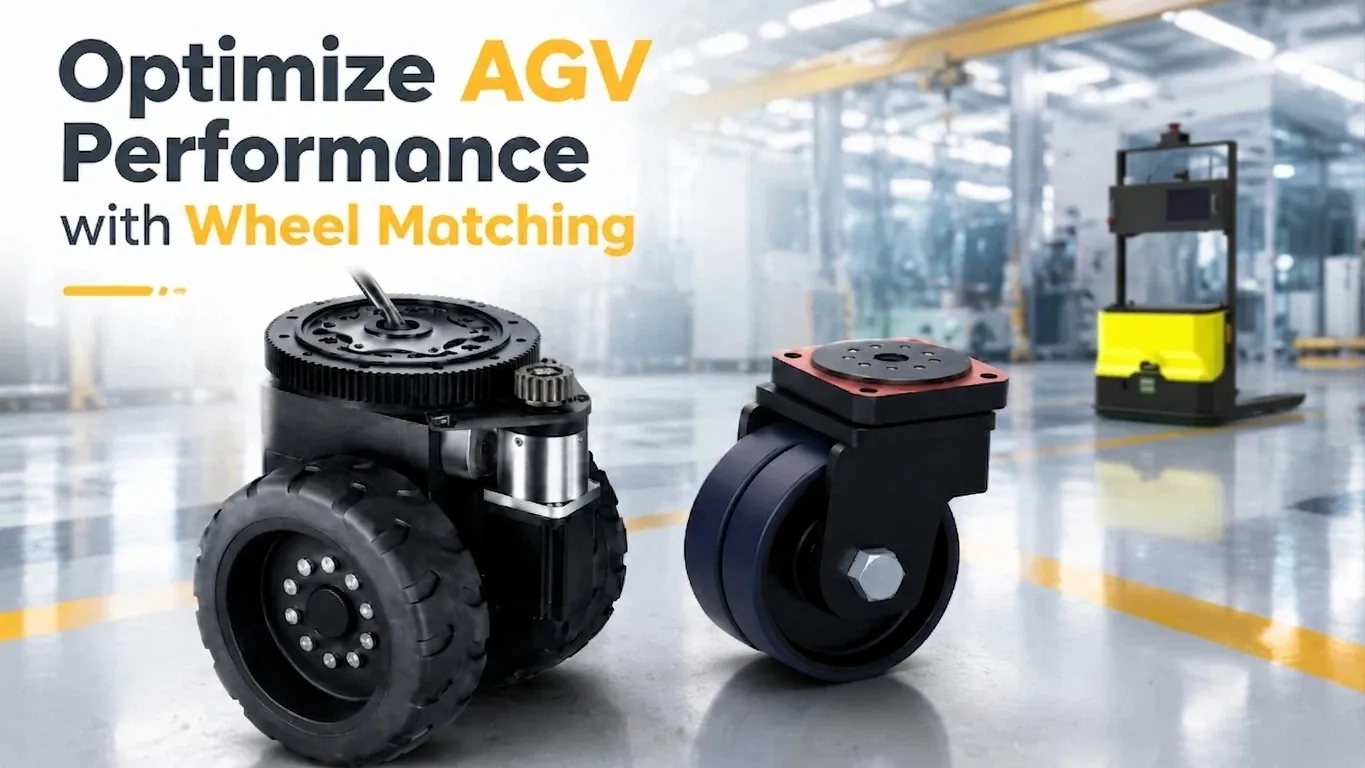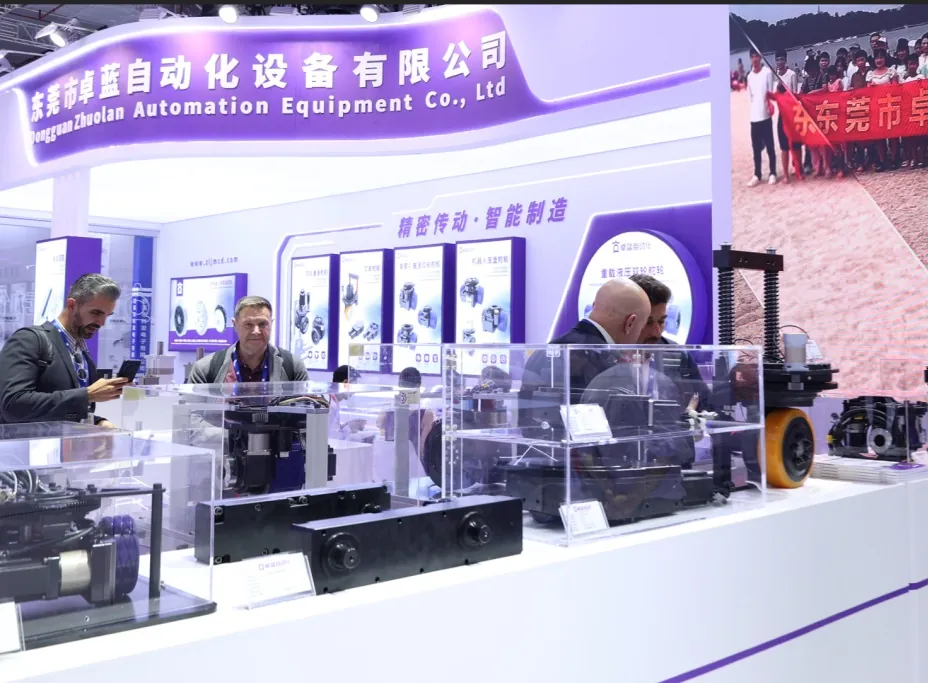
Selecting the wrong AGV drive wheel assembly causes frequent downtime. It creates unexpected maintenance costs and damages factory floors. A complete assembly transfers power and carries heavy loads simultaneously. Choosing an assembly based on a single parameter often leads to operational failure.
Engineers must balance four interconnected parameters to ensure reliable AGV performance. These factors include load capacity, tread hardness, wear resistance, and floor conditions. A balanced selection process improves vehicle traction and extends service life.
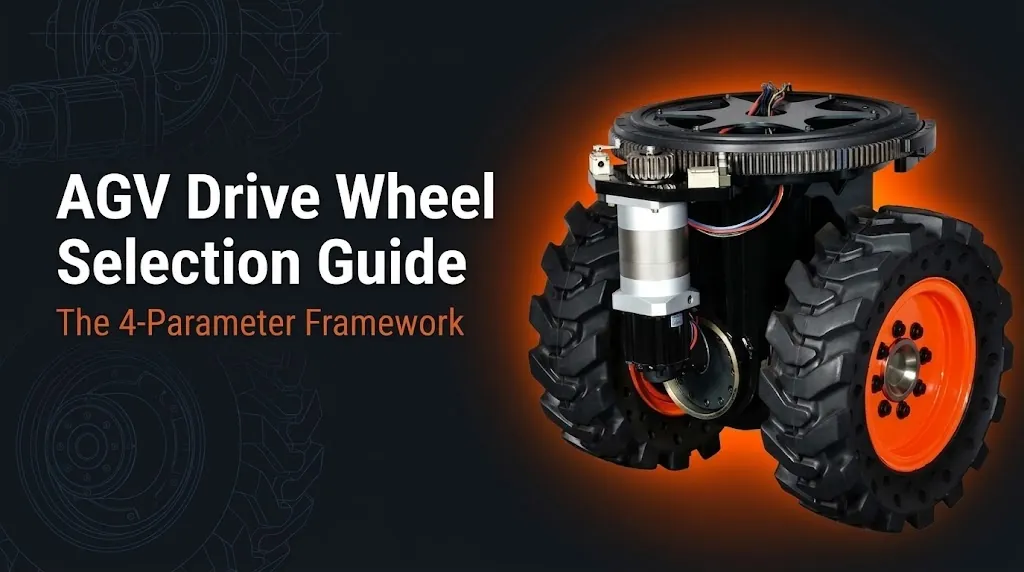
Why Single-Parameter Selection Fails in AGV Drive Wheels
Focusing on only one specification creates operational issues during daily factory production.
Overlooking Surface Protection
Selecting high-hardness wheels for high wear resistance often damages soft factory floors. Hard polyurethane treads cause fine cracks on epoxy coatings during sharp turns. Repairing damaged floors costs far more than replacing a set of wheels.
Ignoring Dynamic Loads
Selecting an assembly based only on static weight leads to premature failure. AGVs experience dynamic forces during acceleration, emergency stops, and cornering. Assemblies rated only for static weight wear out faster than expected under continuous dynamic stress.
Sacrificing Traction for Wear Resistance
Choosing extremely hard treads to maximize lifespan reduces the coefficient of friction. Lower friction causes wheel slip during heavy acceleration or sudden stops. Slippage creates positioning errors and forces vehicles to operate at lower speeds.
The 4 Critical Parameters for AGV Drive Wheel Selection
Engineers should evaluate these four parameters together rather than treating them as isolated metrics.
AGV Drive Wheel Selection Framework
- Load Capacity: Determines wheel diameter and metal core structural strength.
- Tread Hardness: Balances vehicle traction with delicate floor surface protection.
- Wear Resistance: Controls long-term service life and total cost of ownership.
- Floor Matching: Sets operational boundaries for friction coefficients and material formulas.
Parameter 1: Load Capacity and Dynamic Forces
Load capacity is the primary input for any wheel selection process. Total vehicle weight, cargo payload, and drive configuration determine the required load rating.
Always calculate the maximum weight on a single AGV drive wheel assembly. Asymmetrical payloads place higher forces on specific wheels. Engineers should add a safety margin to account for dynamic acceleration and cornering. Higher load requirements demand larger wheel diameters and stronger metal cores.
| Load Range Per Wheel | Suggested Wheel Diameter | Typical AGV Application |
|---|---|---|
| Under 500 kg | 100 mm to 150 mm | Light AMR and Cleanroom AGV |
| 500 kg to 1,500 kg | 150 mm to 200 mm | Standard Warehouse Logistics |
| Over 1,500 kg | 200 mm to 300 mm+ | Heavy-Duty Industrial Line |
Parameter 2: Tread Hardness and Surface Grip
Polyurethane tread hardness is measured on the Shore A scale. Tread hardness dictates how the wheel deforms under weight and grips the ground.
Harder treads around 93A to 95A offer lower rolling resistance and excellent durability. They suit heavy loads on concrete floors. Softer treads around 75A deform more to protect delicate epoxy floors and lower operational noise. Softer treads provide better grip but increase rolling resistance.
Parameter 3: Wear Resistance and Total Cost of Ownership
Wear resistance determines how long polyurethane AGV wheels last under constant production cycles. Material formulations meeting DIN 53516 standards show lower material loss over long distances.
High-quality polyurethane formulations cost more initially but lower total cost of ownership. They reduce replacement frequency, labor costs, and unscheduled production downtime. Investing in wear-resistant wheels pays off in high-duty industrial environments.
Parameter 4: Floor Conditions and Friction Coefficients
Traction depends on the interaction between the polyurethane tread and the floor surface. Floor material, moisture, and cleanliness alter the coefficient of friction.
Dry concrete offers high friction for standard drive wheels. Smooth epoxy floors require careful hardness matching to prevent slipping or marking. Wet or cold environments lower traction significantly. Cold storage facilities require specialized tread formulas that remain flexible at freezing temperatures.
| Floor Type | Dry Friction Coefficient | Wet Friction Coefficient |
|---|---|---|
| Industrial Concrete | 0.60 to 0.80 | 0.30 to 0.40 |
| Epoxy Coating | 0.50 to 0.70 | 0.20 to 0.35 |
| Smooth Tile | 0.40 to 0.50 | 0.15 to 0.25 |
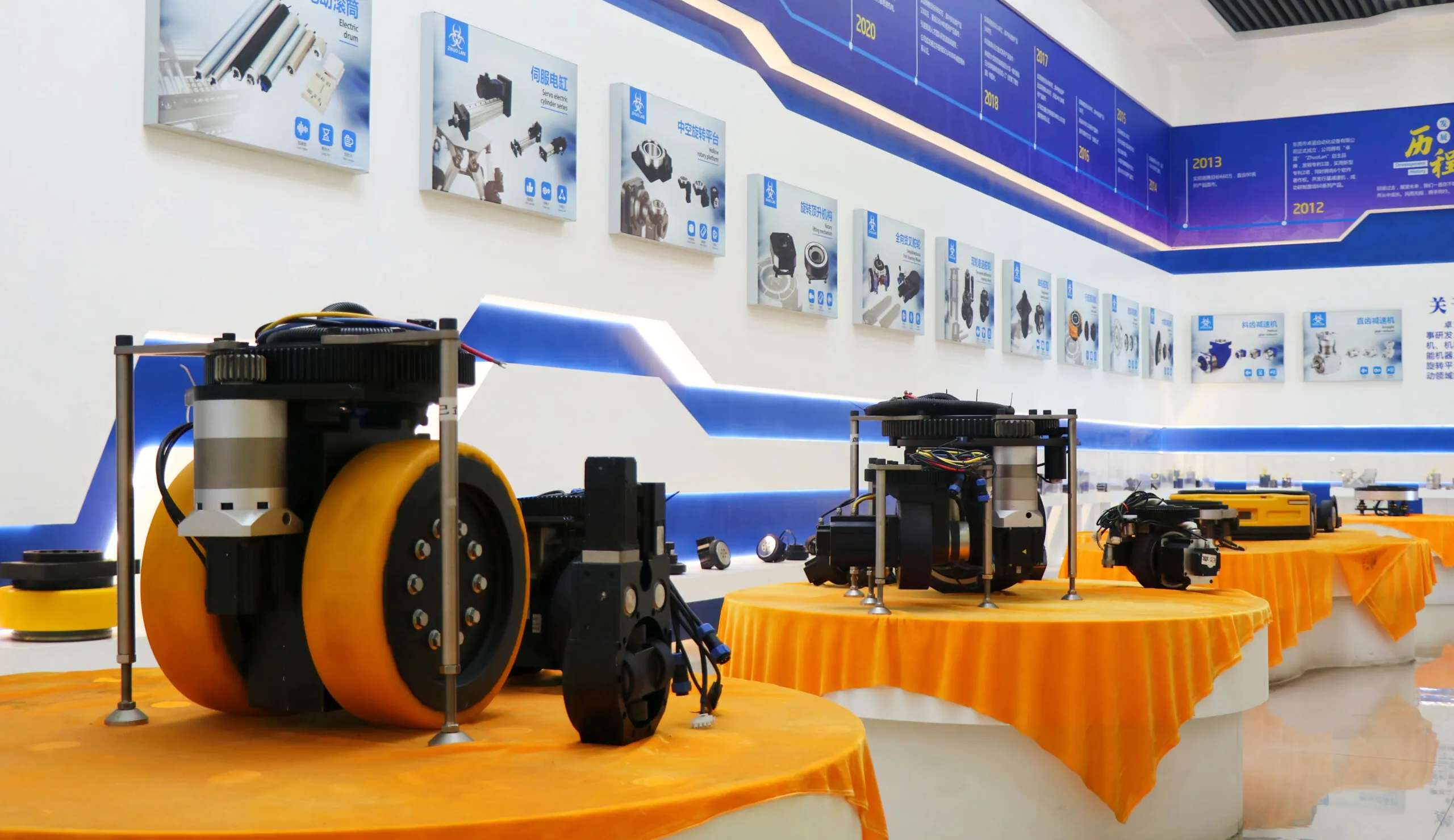
A Step-by-Step Guide to Selecting Your AGV Drive Wheel
Follow these simple steps to specify the right AGV drive wheel assembly for your application.
- Collect operational data including total payload, vehicle speed, daily operating hours, and floor type.
- Calculate maximum single-wheel dynamic load including safety margins for acceleration and weight distribution.
- Select the required wheel diameter and core material based on load calculations.
- Determine the target tread hardness based on floor sensitivity and noise requirements.
- Choose a polyurethane formulation optimized for wear resistance or floor protection.
- Verify bonding strength between the polyurethane tread and metal core to prevent delamination.
- Perform field testing with a sample assembly under full load conditions to confirm performance.
Real-World Application: Heavy-Duty Automotive Assembly Lines
Automotive assembly lines require heavy-duty transport vehicles to run continuously without failure. A major automotive manufacturing facility needed a reliable AGV drive wheel assembly for vehicles transporting 3-ton payloads.
The application required a wheel load capacity of 2 metric tons per wheel. The facility used smooth industrial flooring and required continuous operation across multiple shifts.
Engineers selected a 250 mm by 80 mm assembly featuring a 95A hardness high-wear polyurethane tread. The heavy-duty core handled dynamic loads during frequent starts and stops. The specialized tread formulation prevented premature wear while maintaining sufficient traction on industrial floors.
The selected wheels operated continuously for over 48 months without delamination or cracking. Service life increased by 30 percent compared to previous standard wheels, significantly lowering total maintenance overhead.
Frequently Asked Questions About AGV Drive Wheels
Are harder AGV wheels always more wear-resistant?
Harder treads generally offer lower rolling resistance, but wear resistance depends on the polyurethane formulation. High-grade formulations provide superior wear resistance even at moderate hardness levels.
Should drive wheels and idler wheels have the same hardness?
Drive wheels require specific hardness levels for traction and acceleration. Idler wheels carry weight without driving, so they can use different hardness levels optimized for low rolling resistance.
What causes an AGV drive wheel assembly to slip during operation?
Slippage occurs due to incorrect tread hardness, low friction coefficients, oil contamination on floors, or excessive acceleration rates. Inspect both the wheel material and floor conditions to find the cause.
When should an AGV drive wheel be replaced?
Replace drive wheels when tread thickness wears down by 30 percent. Inspect wheels immediately if you observe surface cracking, tread separation from the core, or uneven wear patterns.
How do low temperatures affect polyurethane drive wheels?
Sub-zero temperatures make standard polyurethane hard and brittle. Cold storage applications require specialized low-temperature tread formulations to maintain grip and prevent surface cracking.