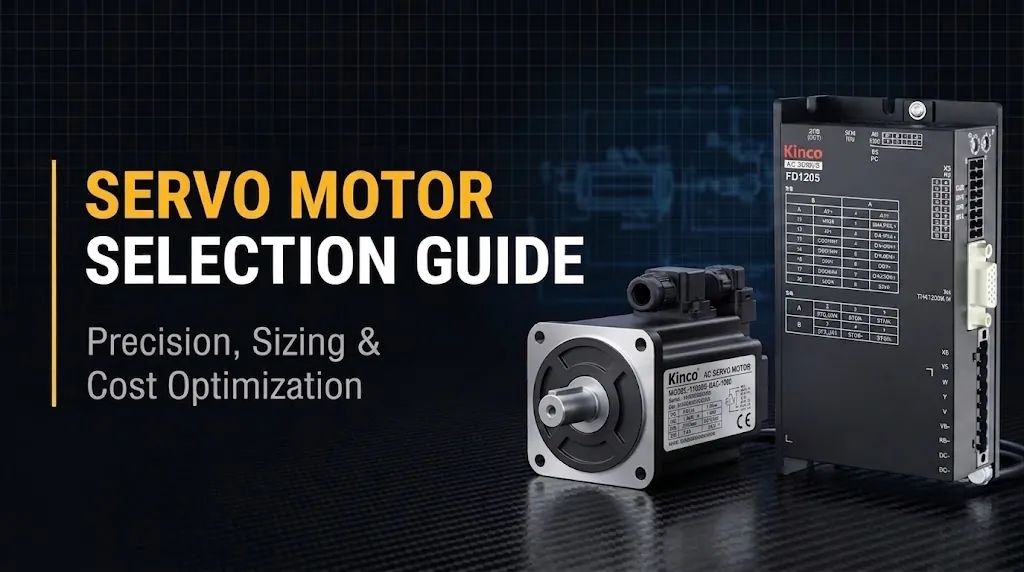
What is a Servo Motor and How Does It Work?
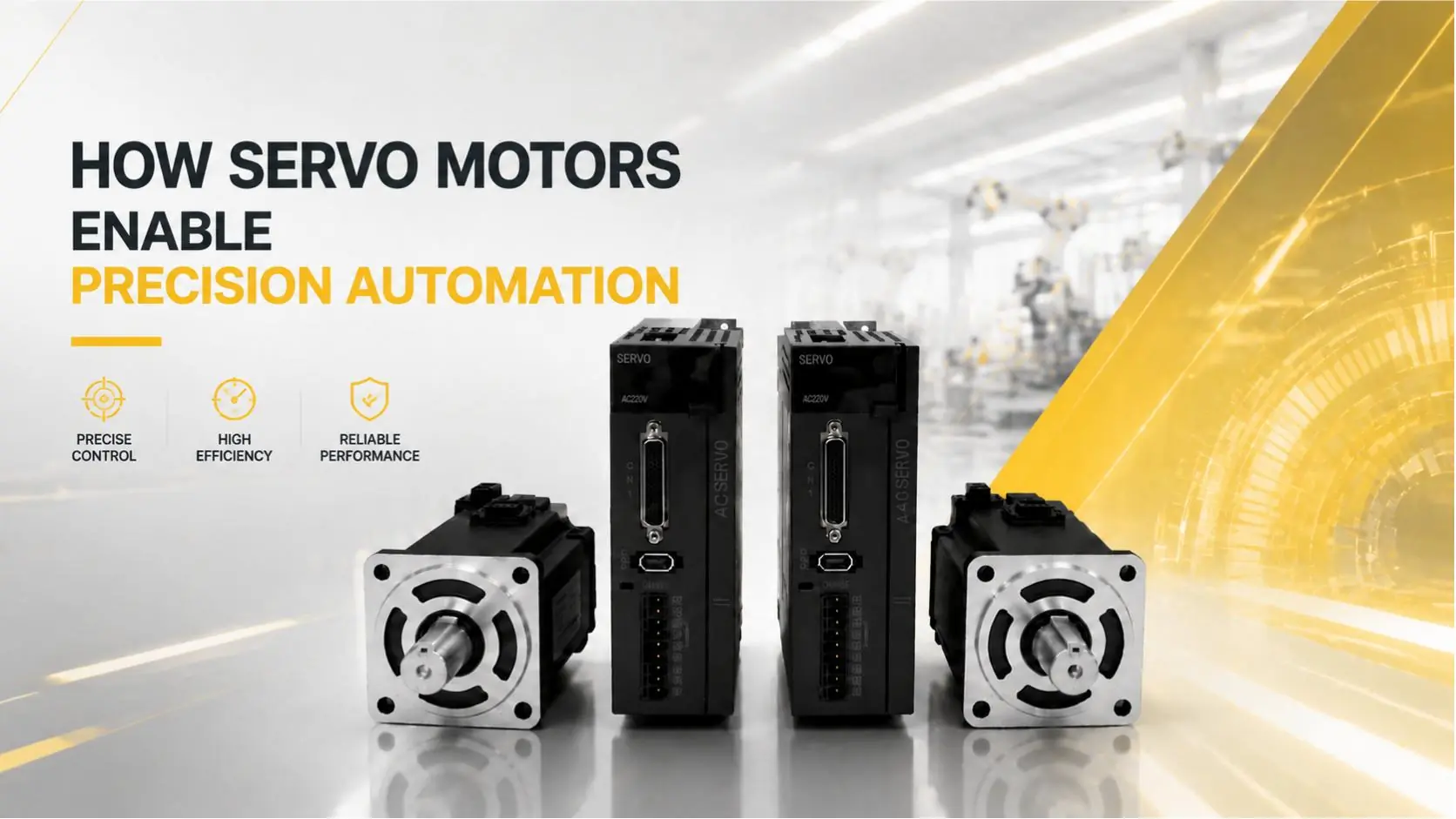
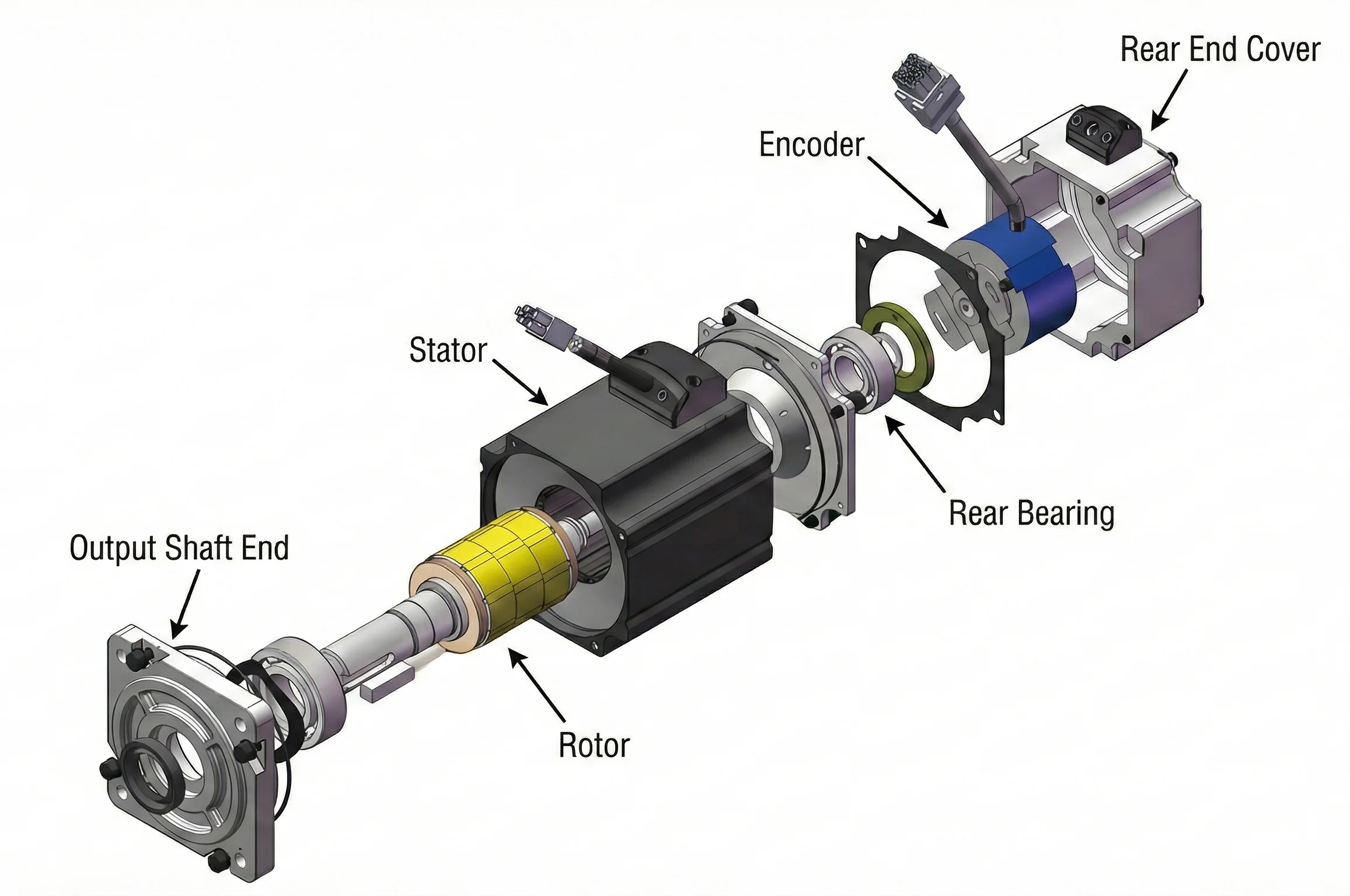
A servo motor is a linear or rotary actuator that provides precise control of velocity and position. It consists of a suitable motor coupled with a sensor for position feedback. The controller processes the feedback signal and adjusts the output to achieve the desired motion.
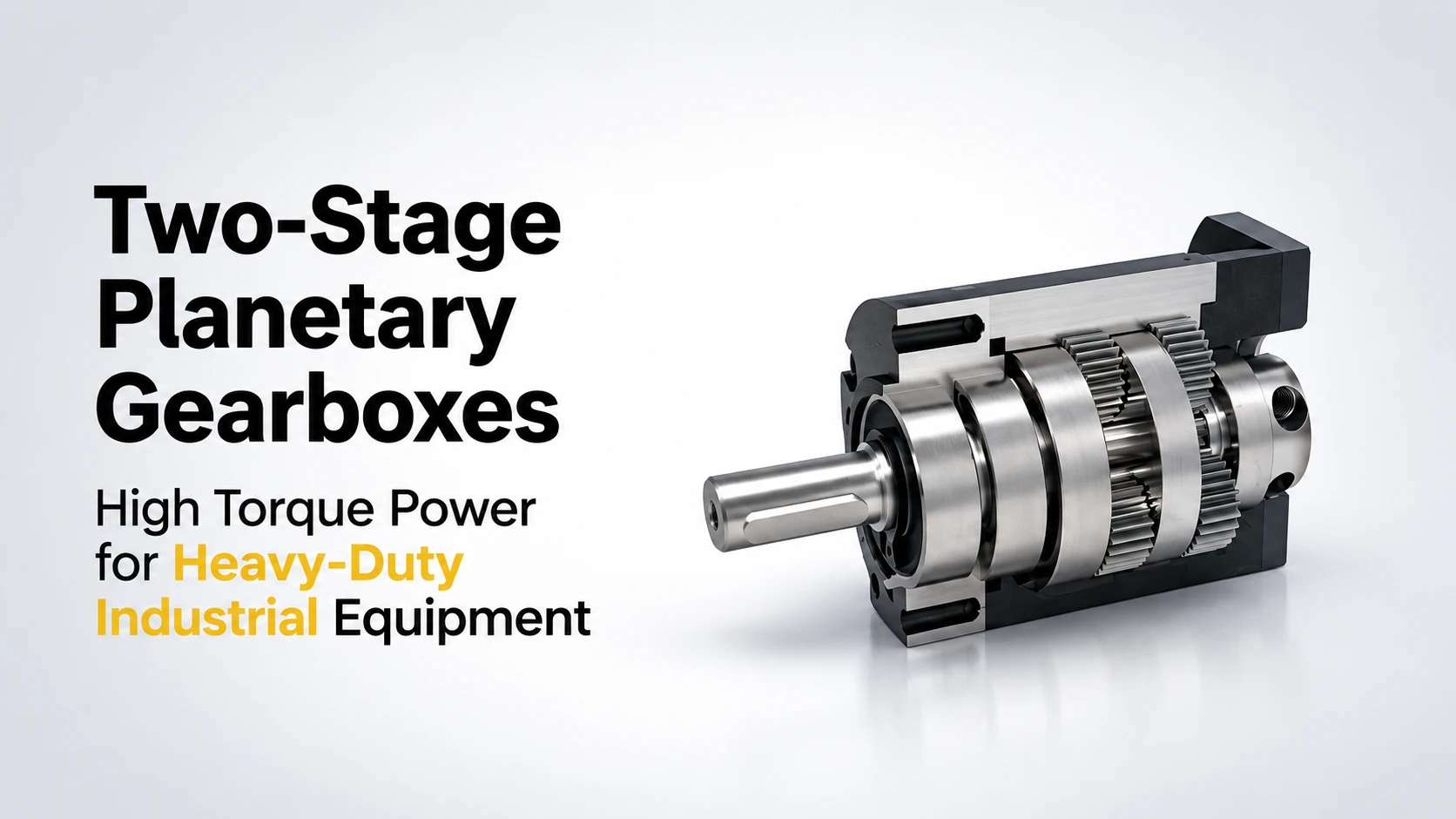
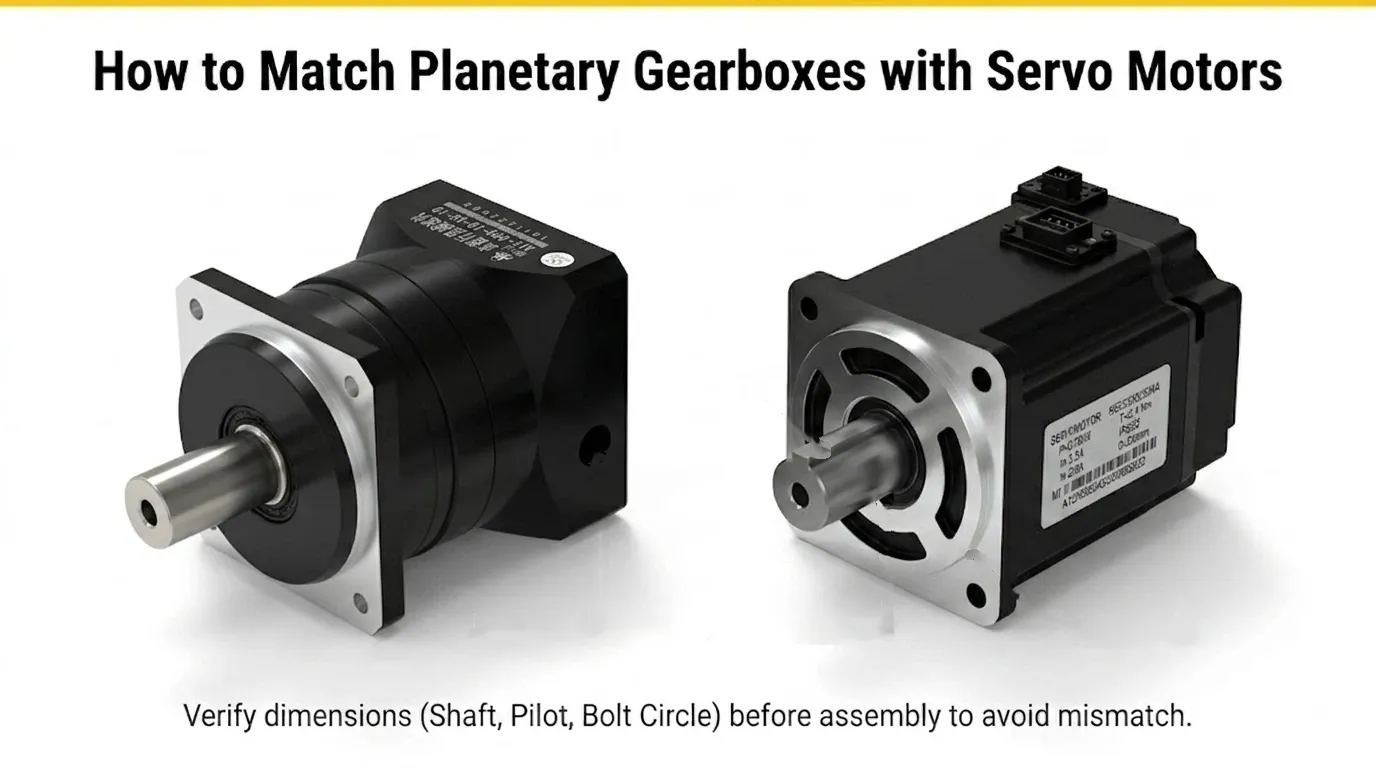
These motors drive modern automation equipment. They allow machinery to perform repeated motions with exact timing and high acceleration rates. When paired with high precision gearboxes, they supply compact torque for heavy tasks.
Why Proper Motor Sizing Matters for Factory Yield
Choosing the wrong motor size harms production lines. An undersized motor overheats quickly during heavy duty cycles. It leads to unexpected downtime and broken parts.
An oversized motor wastes money during initial purchase. It also consumes unnecessary electrical power every hour. Correct industrial servo motor sizing protects your budget and secures long term equipment stability.
Key Performance Factors in Motor Sizing
Engineers must calculate specific metrics before selecting hardware.
Torque and Speed Requirements
Torque determines how much load the motor moves. You must know peak torque for acceleration and continuous torque for running speed. Calculating these values prevents stalls during fast speed shifts.
Precision and System Response
Encoder resolution decides system positioning accuracy. High resolution encoders allow smooth tracking at low speeds. Fast response times help machine arms stop exactly where needed.
Physical and Control System Compatibility
A motor must physically fit inside the machine frame. Check the mounting flange dimensions and shaft diameter before ordering. Make sure the enclosure protects against factory dust and moisture.
Control interface compatibility matters just as much. Verify that the drive accepts your existing control signal protocols. Standard interface matching ensures fast setup and stable data communication.
Balancing Upfront Cost and Operational Expenses
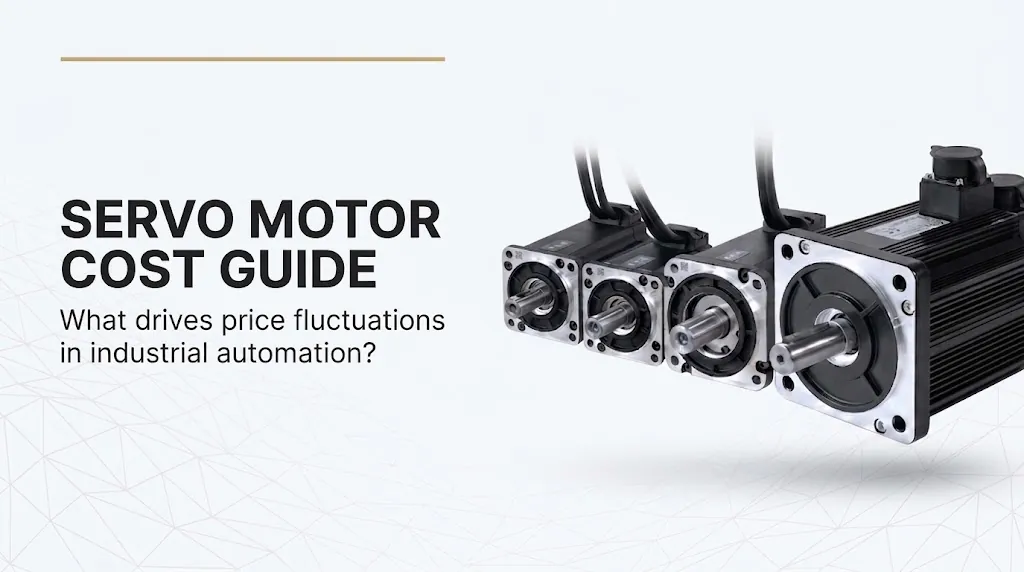
Equipment buyers often focus only on purchase price. However, total cost includes energy use and routine maintenance.
A cost-effective servo system setup prioritizes reliability over cheap parts. Quality components lower energy loss during operation. They also reduce long term maintenance expenses and replacement needs.
At Houzai, we work directly with premier manufacturers like Zhuolan. We supply premium planetary gear reducers, servo motors, and drive components. Our teams provide complete power transmission solutions that match high quality with cost efficiency.
Step-by-Step Selection Process for Peak Efficiency
Follow these steps to choose your motor safely:
- Define load weight, movement distance, and motion timing.
- Calculate required peak torque and continuous operating speed.
- Determine required encoder resolution for your target precision.
- Select matching mounting styles and physical shaft dimensions.
- Check drive signal compatibility with your main controller.
- Evaluate total operating costs including potential energy consumption.
Real World Application in Modern Manufacturing
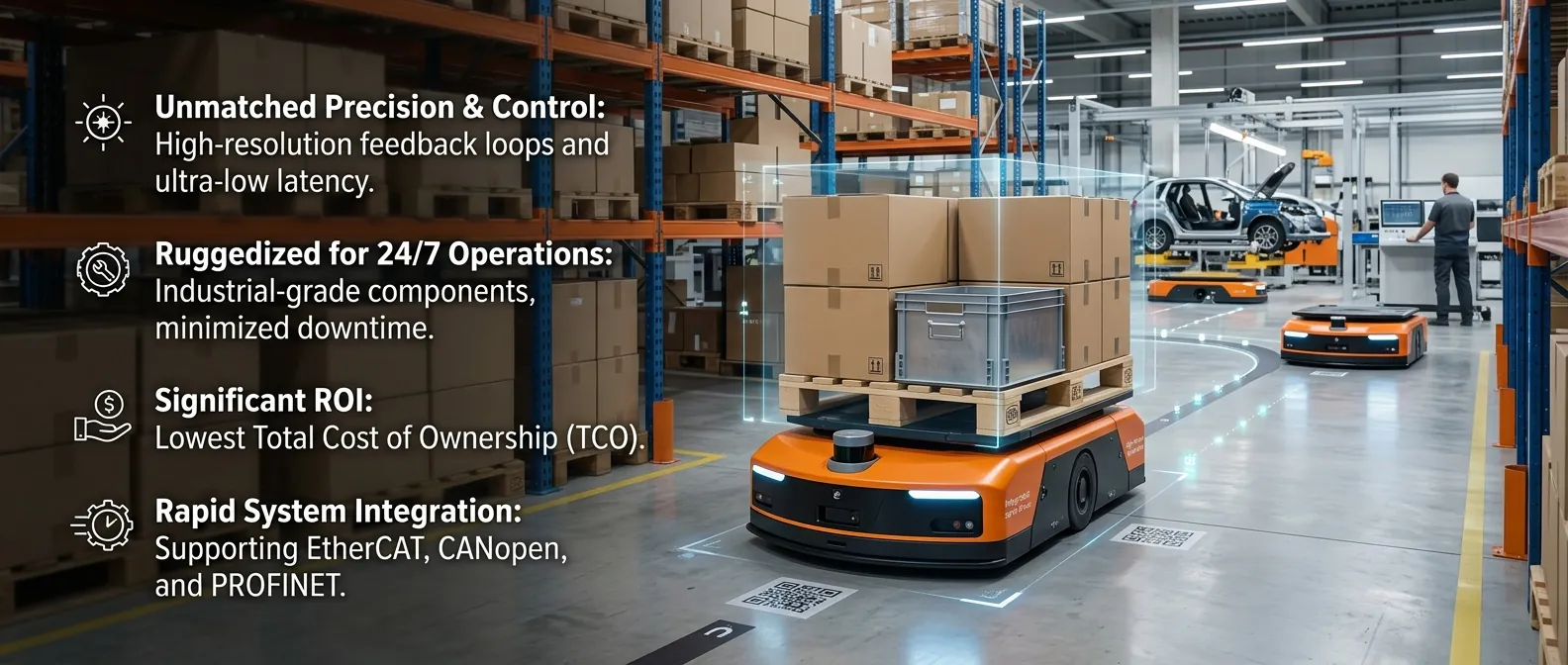
A plant owner built a line of automated guided vehicles. The vehicles carried heavy loads along warehouse floors. Initial tests with generic motors caused frequent overheating during peak factory turns.
The engineering team reassessed their torque demand. They installed high quality planetary gearboxes from Zhuolan alongside dynamic servo drives provided by Houzai. The new setup cut heat generation and boosted battery efficiency by fifteen percent. The plant increased daily delivery output without expanding factory floor space.
Key System Limits to Consider
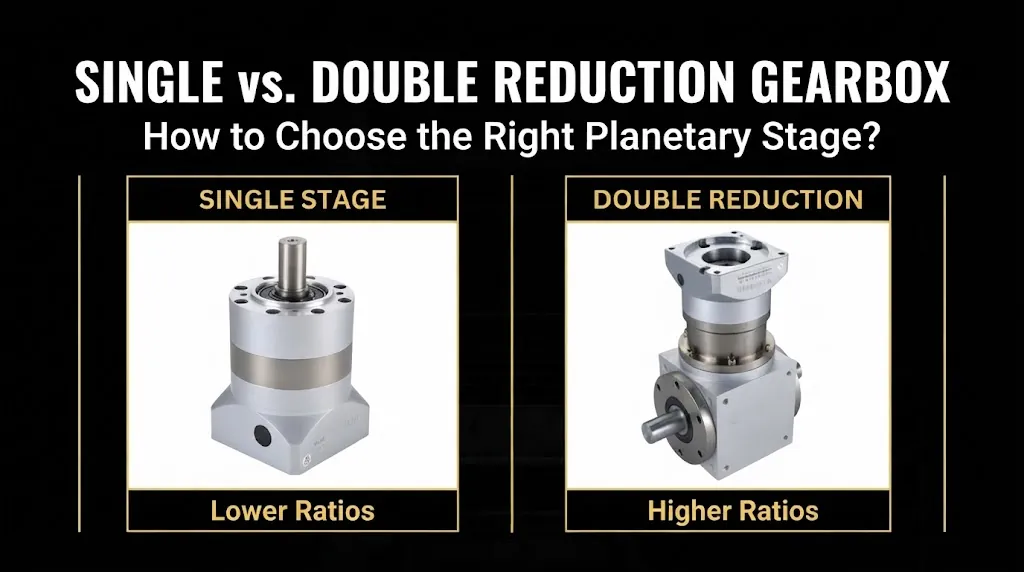
Servo motors offer great precision, but they have practical limits. Extreme ambient heat lowers overall power output. High load inertia ratios make tuning difficult for control systems. Users must balance these physical limits through proper mechanical reduction ratios.
Frequently Asked Questions
How do I prevent motor overheating during continuous operation?
Verify continuous torque needs before buying. Use a motor rated higher than your average working torque load.
What is the advantage of pairing a servo motor with a gear reducer?
A reducer multiplies motor torque while reducing load inertia ratio. This allows smaller motors to handle heavy industrial loads smoothly.
Can I connect any servo motor to my existing controller?
No. You must verify communication protocol and feedback encoder type before matching drives with controllers.