The Growing Demands in Modern Manufacturing
Modern factories face huge challenges today. Production lines must run faster than ever before. Customers demand perfect product quality every single time. Traditional electric motors often fail to deliver the needed operational accuracy. This performance gap leads to wasted materials and high operating costs. Emerging manufacturing hubs need smart machinery to stay competitive in the global market. Upgrading factory hardware is the best way to improve efficiency and reduce production errors. Many industrial managers struggle to find the right balance between cost and high performance. Choosing the wrong equipment can slow down your entire assembly line.
The Ultimate Solution for Precision Control
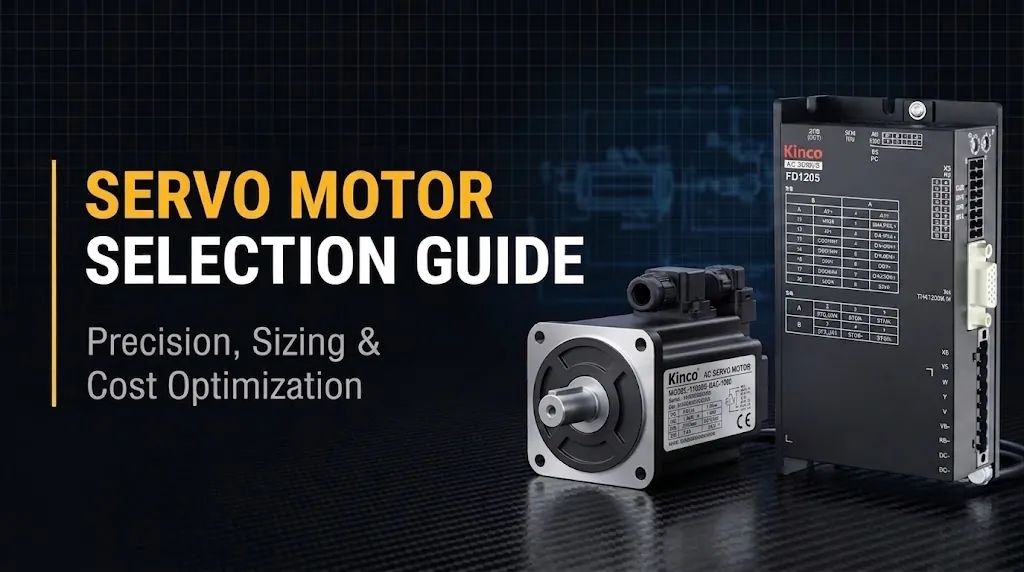
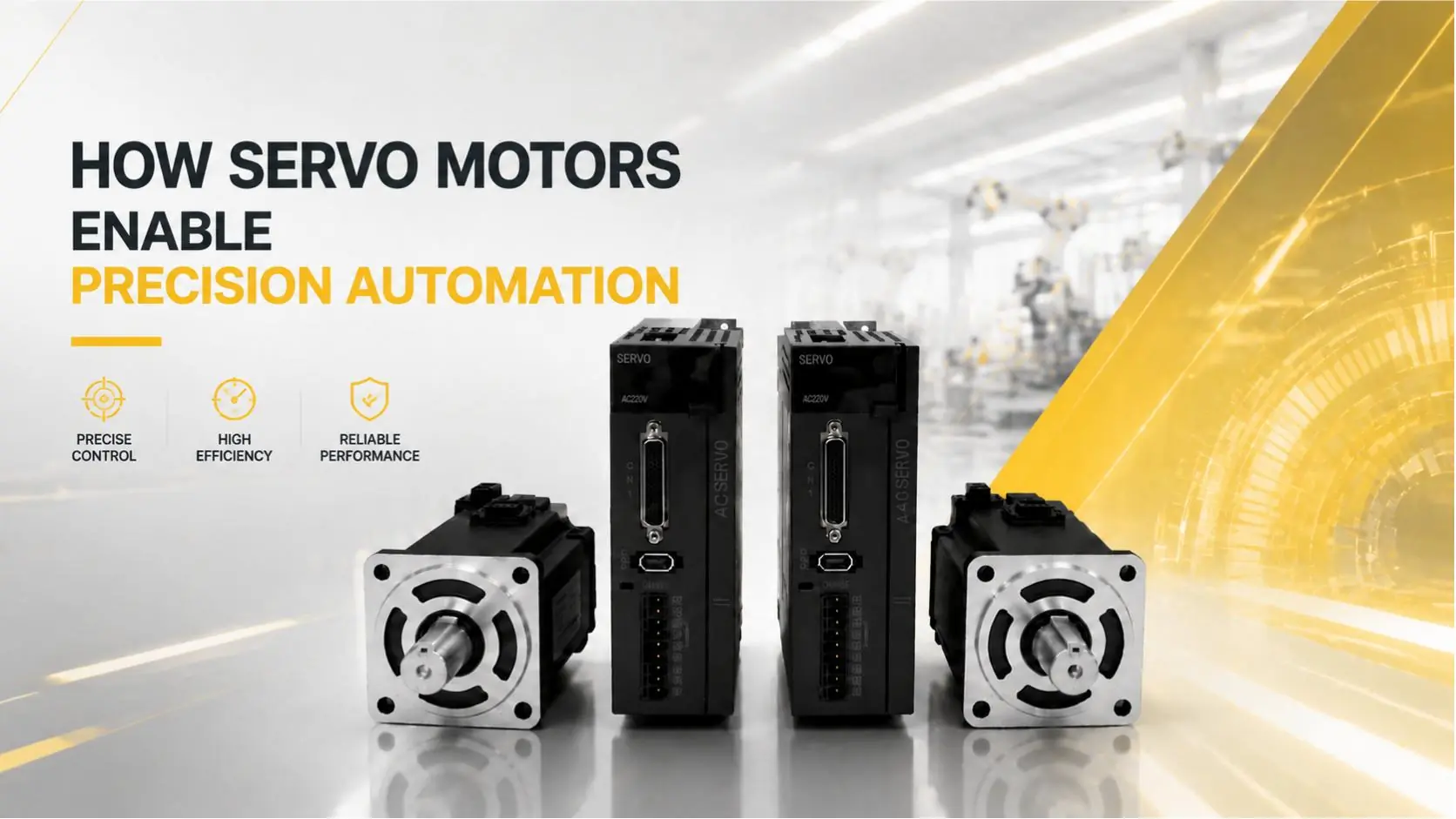
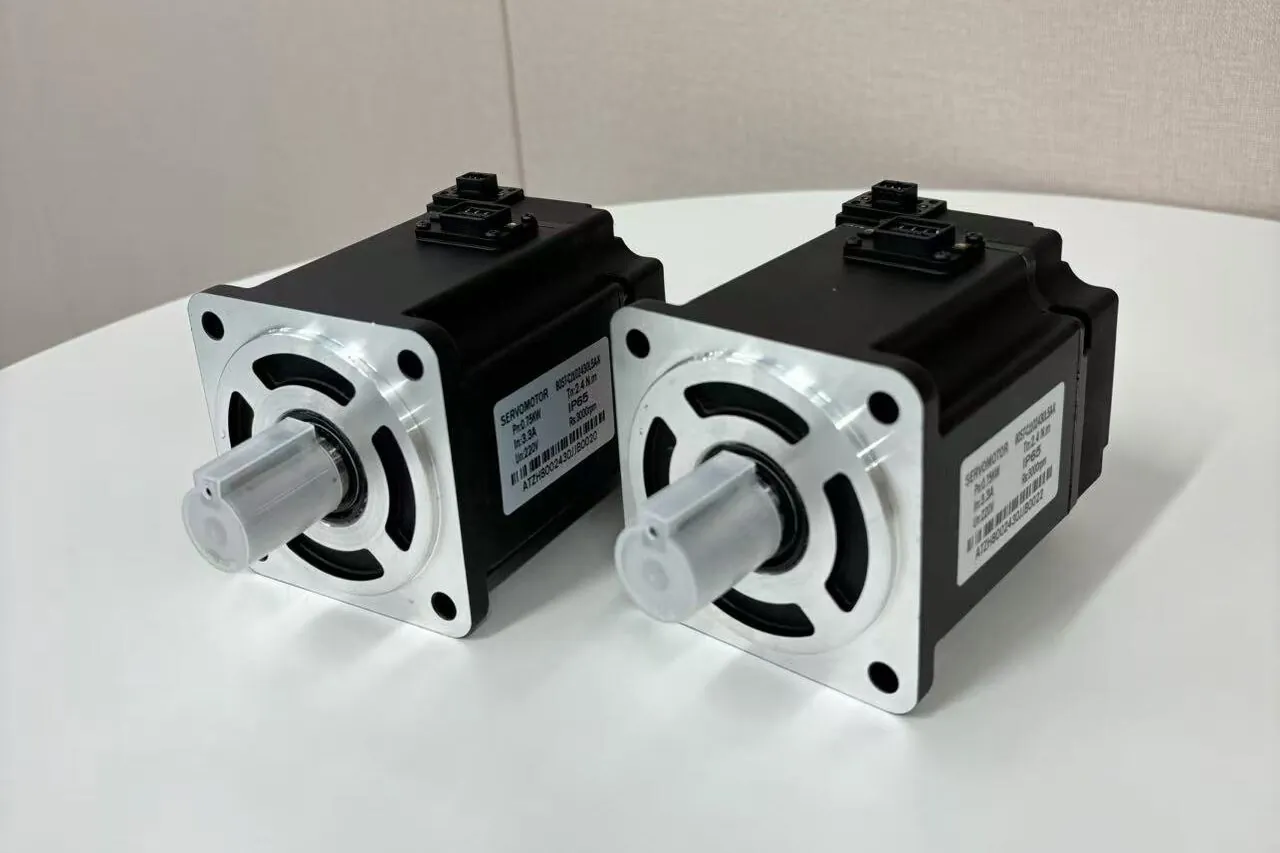
A high precision servo motor solves these difficult manufacturing challenges. These advanced devices deliver exact control over speed, position, and torque. By combining these motors with high-quality gearboxes, factories achieve optimal mechanical performance. Houzai provides these integrated industrial automation solutions to help businesses scale up production. We offer mid-to-high-end quality products that remain highly cost-effective for growing enterprises. Our team ensures that your upgrade process goes smoothly from start to finish. We provide complete technical support to keep your machines running without unexpected downtime.
Understanding the Servo Motor Working Principle
How does a servo motor achieve such incredible accuracy? The secret lies in its closed-loop system design. You can learn more about these global standards through the International Electrotechnical Commission guidelines.
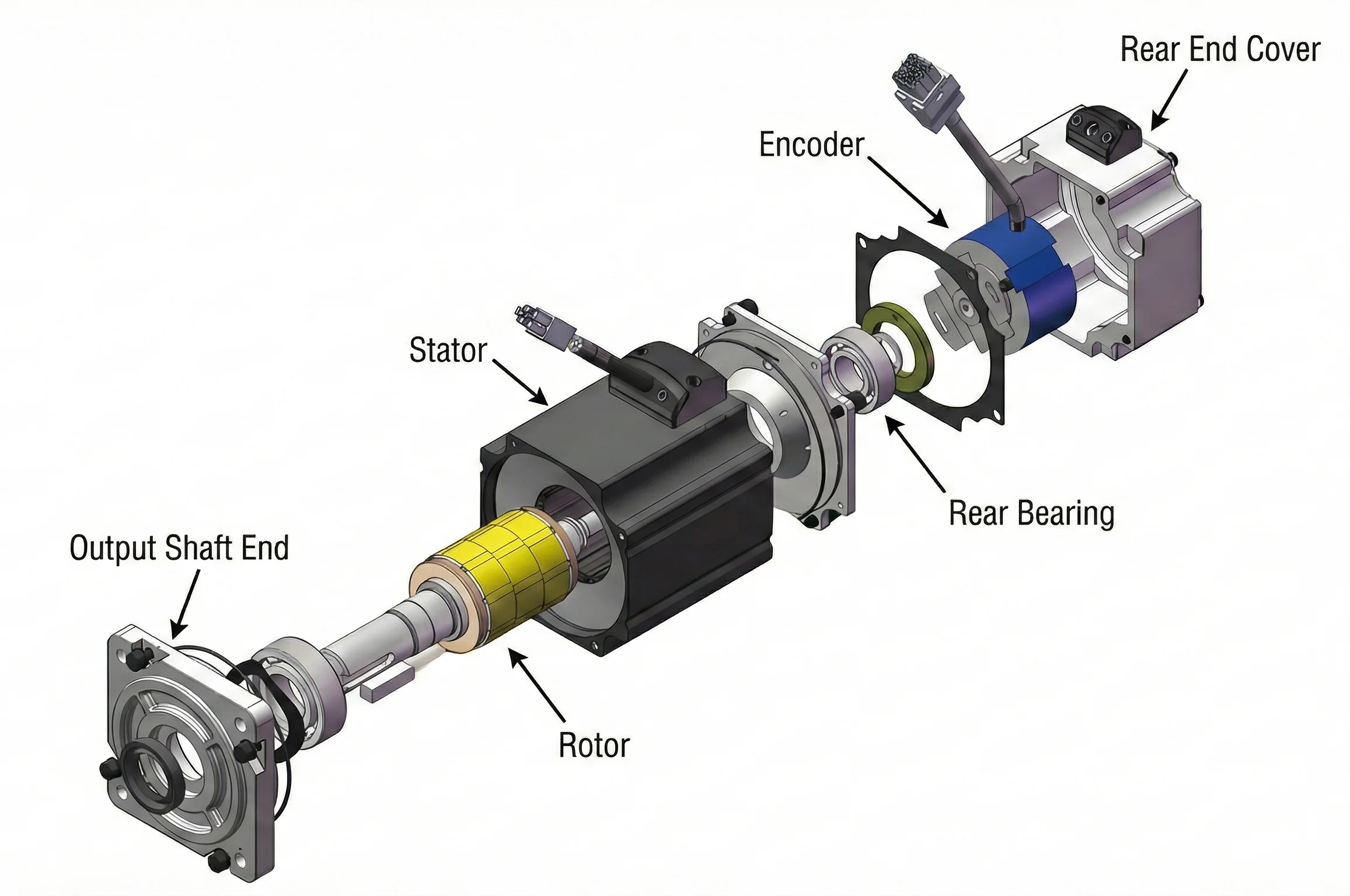
First, the main controller sends a command signal to the motor driver. The driver then sends the correct electrical power to the motor. Inside the motor, a specialized encoder tracks the actual movement. This built-in sensor sends real-time data back to the central controller. The controller compares the real position with the target position. It fixes any movement errors instantly. This continuous feedback loop ensures perfect motion control during complex operations.
Six Steps to Implement Servo Systems
Implementing these advanced systems requires careful engineering planning. Follow these six simple steps for the best results.
- Calculate the required torque and speed for your specific automated machinery.
- Choose a matching motor driver and encoder system for smooth communication.
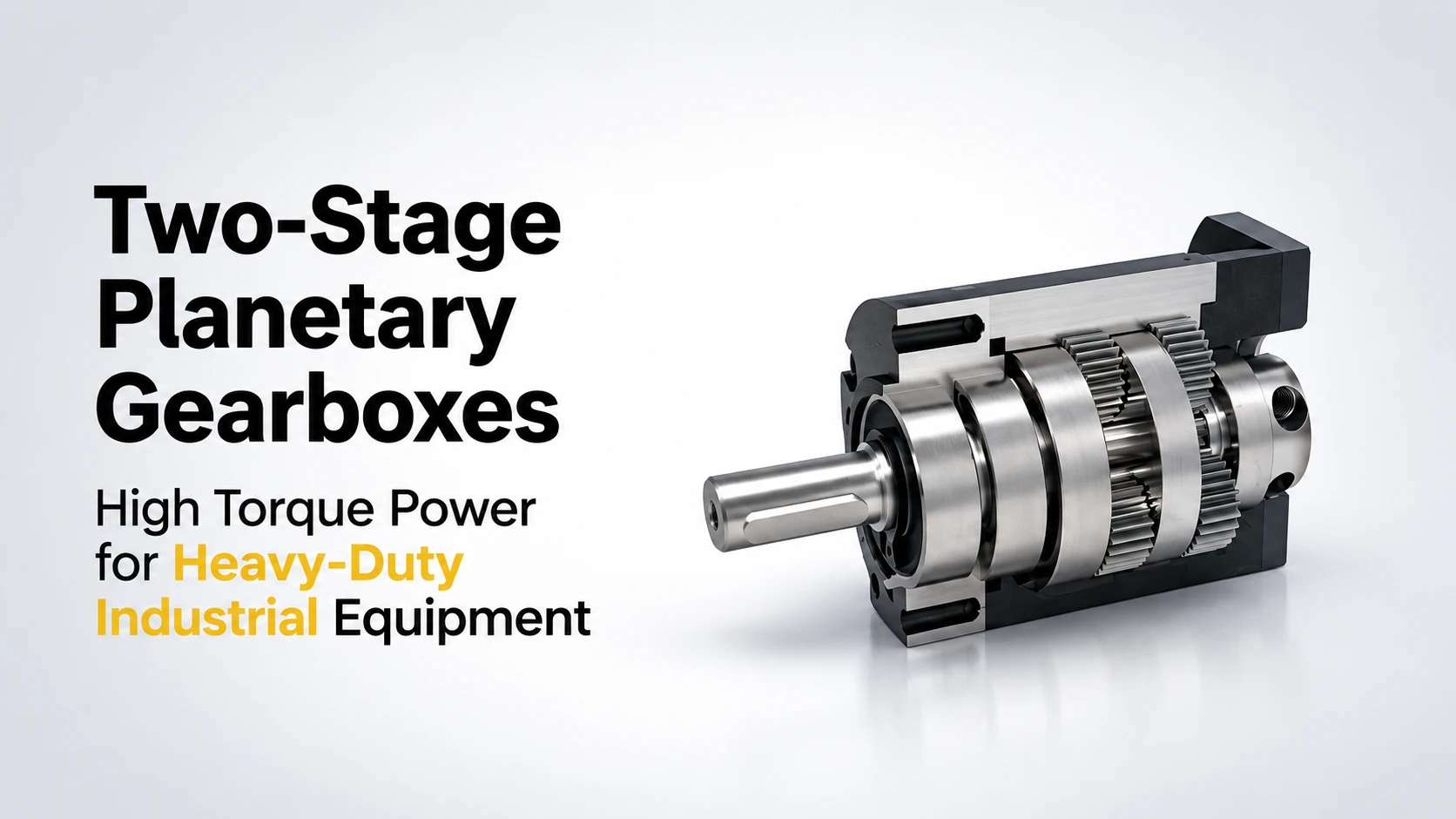
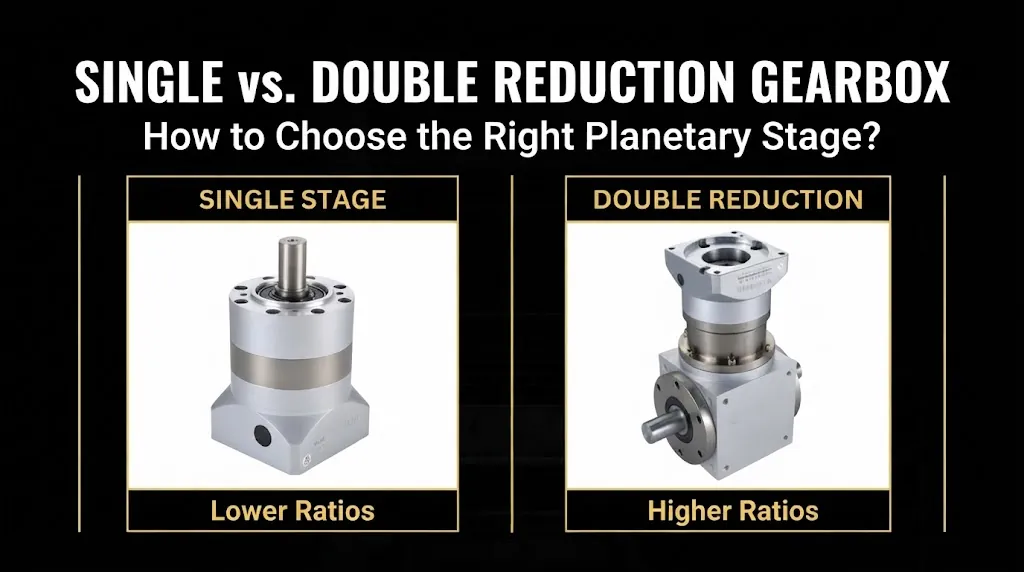
- Integrate the motor with precision speed reducers to ensure stable torque output.
- Mount the hardware securely to prevent unwanted vibrations during operation.
- Configure the control parameters to match your specific factory motion patterns.
- Run thorough safety tests to verify the automatic fault detection features.
Practical Applications and Real Success
Automated machinery relies heavily on these reliable motion components. For instance, automated guided vehicles use these motors for precise steering and warehouse navigation. Robotic arms also use them for complex welding and automated part assembly tasks. In the medical field, these motors power advanced CT scanners and delicate surgical robots. Food processing plants and printing machinery also utilize them for fast, repetitive actions. Reliable manufacturers like Zhuolan produce these high-quality components. Houzai delivers them to global markets as part of complete technical support packages.
Knowing the Limitations of Servo Technology
While highly effective, these advanced systems do have some operational limitations. They require sophisticated initial tuning by skilled technicians. Dusty or extremely hot factory environments can sometimes affect the sensitive feedback sensors. For very simple and low-speed tasks, a basic stepper motor might be more economical. Regular maintenance is also necessary to keep the encoders clean and accurate. Understanding these technical limits helps engineers design better automation systems for long-term use.
Choosing the Right Partner for Your Automation Journey
Investing in the right motion control technology transforms your production capabilities. High-quality components reduce waste and improve your daily output. Partnering with an experienced provider ensures you get the best value for your investment. Houzai combines the manufacturing excellence of Zhuolan with dedicated customer service. We help you select, install, and maintain the perfect systems for your business needs. Contact our technical team today to find your ideal cost-effective automation setup.
Frequently Asked Questions About Servo Systems
What is a servo motor?
A servo motor is a motor built with a feedback sensor for exact control. It adjusts its speed, position, and torque in real time based on signals from the controller.
What makes a servo motor different from a standard motor?
Standard motors run at a fixed speed when you apply power. Servo motors use a sensor to control exact position, speed, and acceleration.
Why do automated guided vehicles use servo systems?
These automated vehicles need accurate steering and smooth speed adjustments to navigate busy warehouses safely.
How do built-in safety features protect your factory equipment?
The motor drivers detect electrical overloads or mechanical faults immediately. They stop the motor instantly to prevent expensive machine damage.