High Downtime in Factory Automation
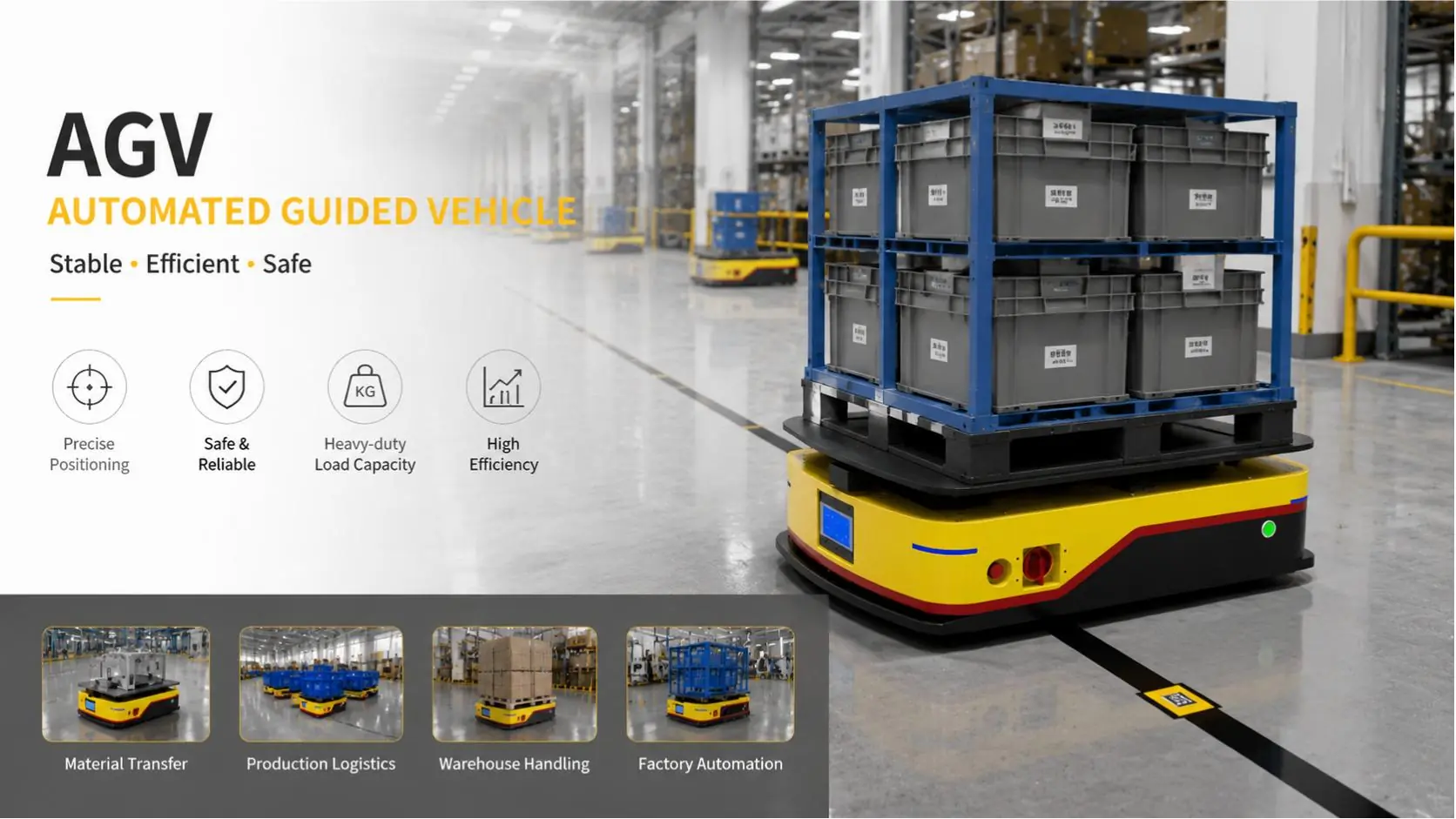
Many plant managers face a frustrating challenge. They purchase advanced warehouse management software. Yet, their automated guided vehicles still stop unexpectedly on the shop floor.
Mechanical failures and poor component matching cause most automation bottlenecks. Your system is only as strong as its weakest hardware piece. Software commands fail if the physical drive units cannot execute them under heavy load. To maximize your factory uptime, you must understand the critical hardware layers. Balancing part reliability with a smart budget is the true key to success.
The Structural Base and Power Source
Every automated guided vehicle requires a rugged physical base to handle repetitive industrial tasks.
The vehicle body or chassis serves as the physical core. It consists of a heavy steel frame and mechanical assemblies. This frame provides a secure mounting platform for all electronic devices and safety sensors.
Continuous factory workflows require a dependable energy supply. The power system combines industrial battery packs with automated charging station docks. The vehicle controller monitors power levels constantly. It routes the vehicle to online charging zones automatically to allow continuous operation.
Choosing Onboard Controllers and Drivers
The electronic hardware architecture manages internal traffic and navigation feedback.
Onboard Controller Options
The onboard controller acts as the vehicle brain. It handles sensor data, processes path commands, and controls motion stability. Buyers usually select from three main hardware types:
- Programmable Logic Controllers provide industrial stability and great electrical noise immunity. Models like the Siemens S7-1200 are industry favorites.
- Industrial PCs handle massive data processing. They fit advanced applications that need complex vision guidance.
- Microcontrollers like the STM32 platform offer a cost-effective alternative. They keep total hardware costs very low for basic transport paths.
Low-Voltage DC Servo Drivers
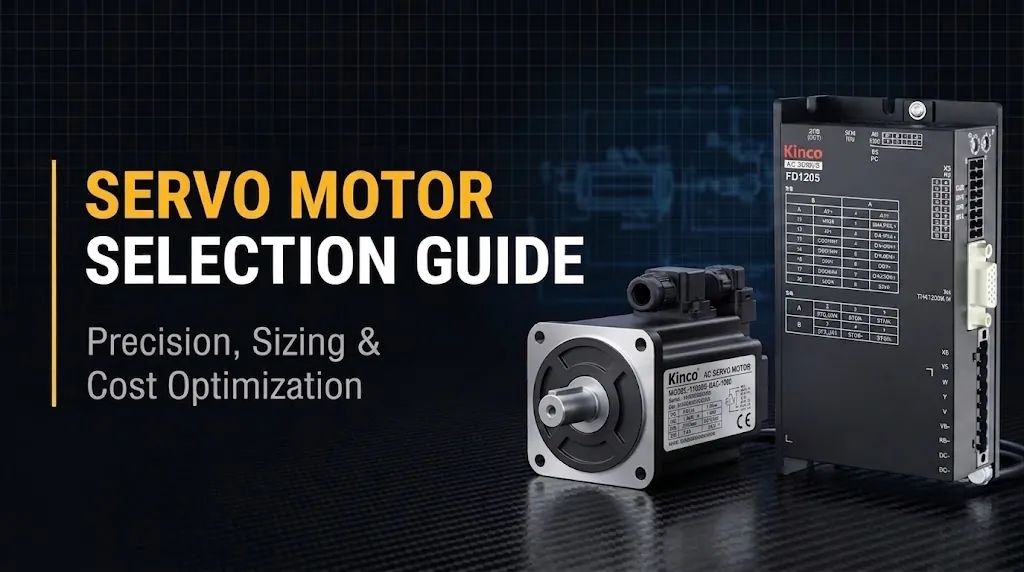
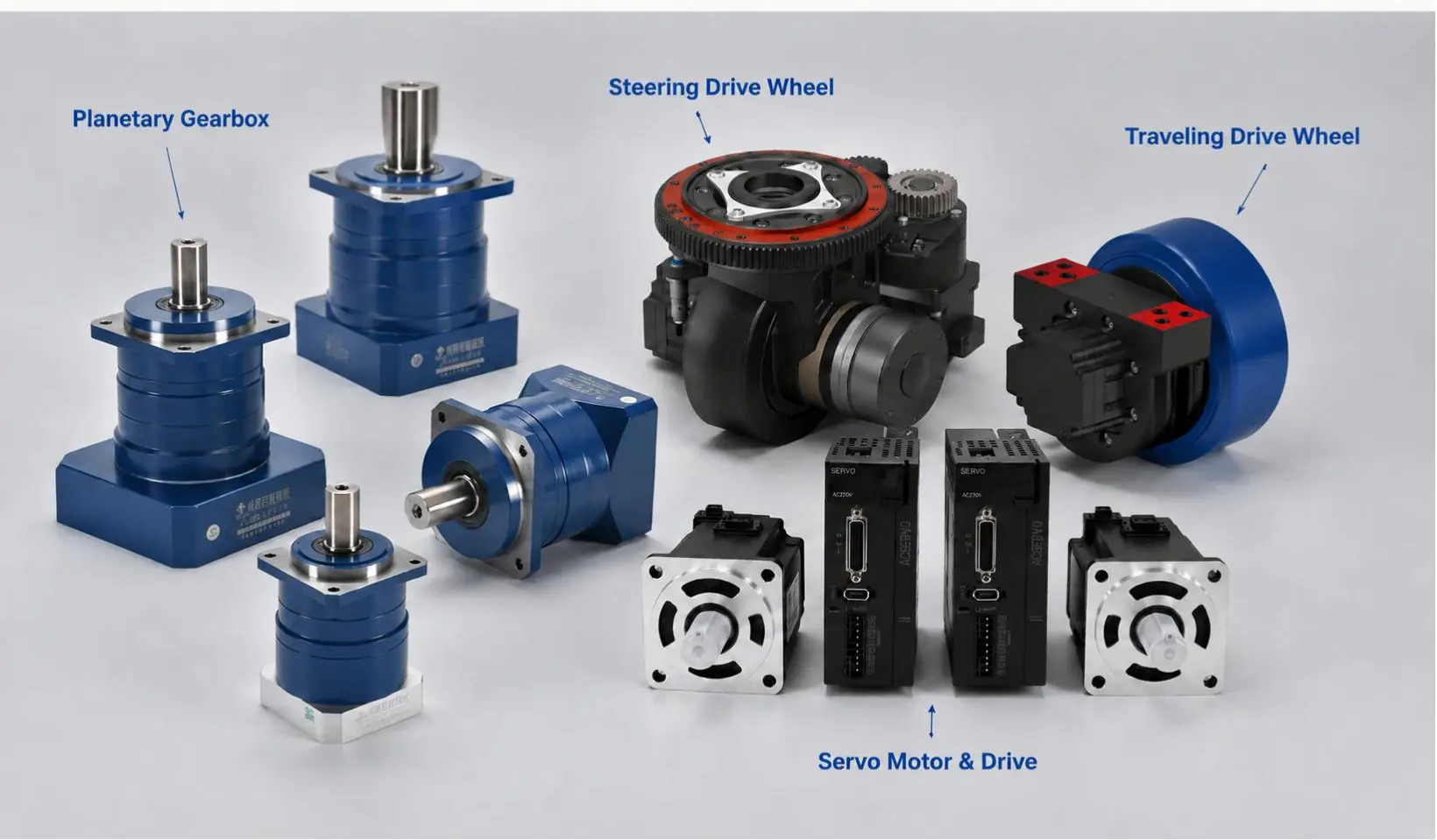
Controllers cannot send raw power directly to heavy electric motors. They require specialized drivers to act as the muscle. Because automated platforms run on industrial battery packs, they use low-voltage DC servo drivers. These units typically operate between 12V and 72V. They control motor current precisely to ensure smooth acceleration and safe stopping.
Mechanical Execution via Wheels and Reducers
The final physical movement relies entirely on high-precision mechanical transmission units.
Mobility Mechanical Layouts
The steering and drive mechanism determines how the vehicle navigates plant floors. Common designs include heavy steering wheels, agile differential wheels, and omnidirectional Mecanum wheels. Each layout fits specific facility space limits.
Precision Planetary Gear Reducers
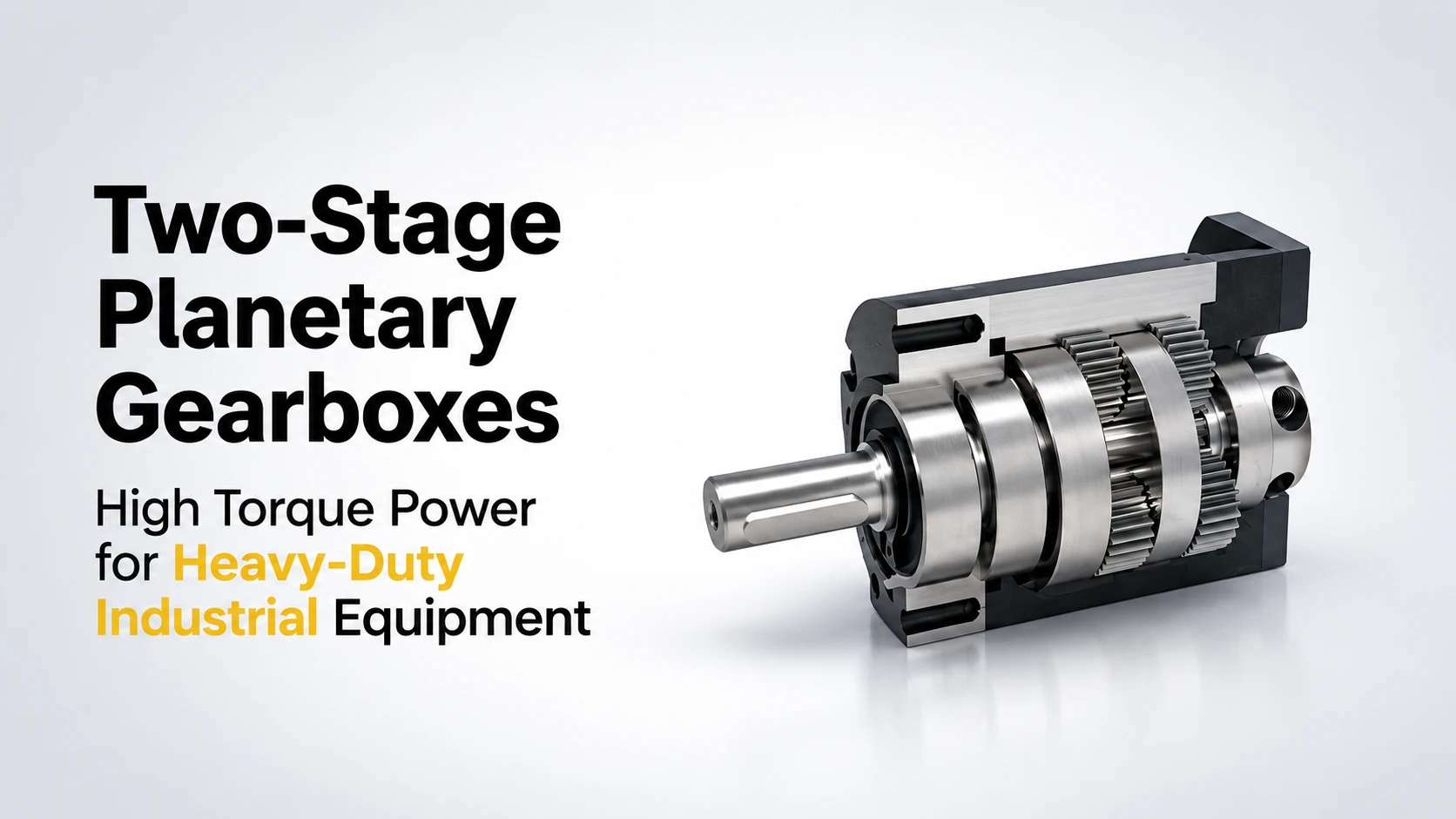
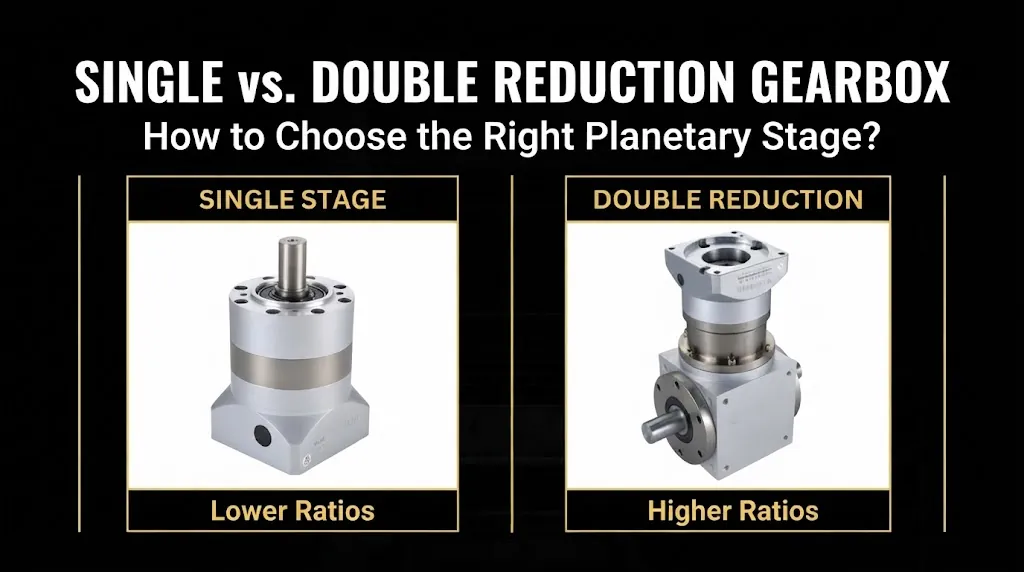
Electric motors spin at very high speeds but lack high turning torque. Integrating a durable industrial reducer for AGV assembly is mandatory for heavy transport. High-precision planetary gear reducers multiply motor torque efficiently. They reduce mechanical backlash significantly. This keeps positional accuracy perfect when stopping under massive cargo loads.
Seven Steps to Assemble Guided Vehicles
Building a dependable mobile automation platform requires a clear engineering sequence:
- Calculate total payload capacity to determine structural frame strength.
- Select your primary navigation method like magnetic strips or laser sensors.
- Choose the onboard controller based on path routing complexity.
- Match the low-voltage servo driver to your battery voltage package.
- Install an industrial reducer for AGV use to maximize motor torque output.
- Mount specific safety devices including obstacle scanners and physical emergency buttons.
- Program the controller using standard software tools to execute basic motion logic.
Integrated Supply Chains Maximize Value
Sourcing separate mechanical parts from loose global vendors often creates compatibility errors. Procurement managers can eliminate these risks by working with a single trade service team.
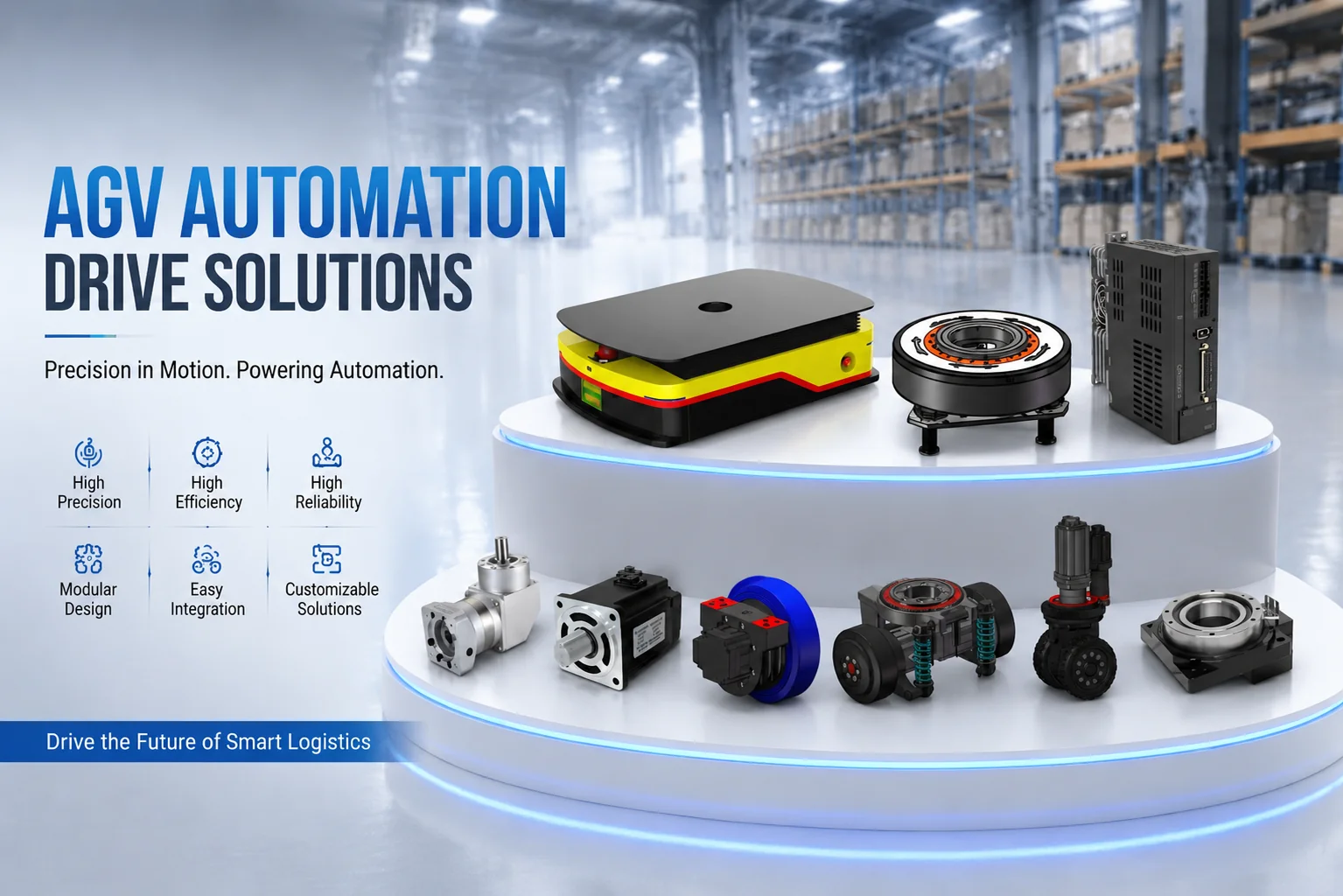
The Houzai team operates as the main agent for Zhuolan, a premium industrial manufacturer. We deliver full mechanical integration through one unified channel. Our catalog covers precision planetary gear reducers, high-load drive wheels, servo motors, and stepper motors. Choosing a matched motion suite reduces assembly errors. It brings high European quality standards to your facility at competitive factory prices. Our technical engineers provide support throughout your hardware deployment phase.
Technical Limitations of Common Frameworks
Industrial buyers must recognize the inherent limits of standard AGV components. For example, simple magnetic navigation arrays can suffer from electrical interference in heavy welding plants. Furthermore, mechanical gear assemblies require regular lubrication checks to avoid dust wear. Understanding these limitations allows engineering teams to set real preventative maintenance schedules.
Frequently Asked Questions
Q: Why do heavy automated vehicles need a planetary gear reducer?
A standard electric motor cannot move heavy industrial loads from a complete stop safely. Adding a planetary gear reducer multiplies motor torque while controlling positional inertia.
Q: Can a standard industrial PLC manage complex steering wheels?
Yes. Modern mid-range PLCs provide extensive software resources. They support 46 basic functions and mathematical calculations to handle precise wheel velocity changes.