Why Do Heavy AGVs Lose Traction on Industrial Floors?
Industrial facility floors are rarely perfectly flat. Small height differences, cracks, and expansion joints create uneven paths.
For a rigid AGV chassis, even a small bump lifts one wheel off the ground. The entire heavy vehicle load shifts onto the remaining wheels.
When a drive wheel loses full ground contact, drive torque drops instantly. The wheel spins in place and slippage occurs.
This friction loss causes serious navigation and positioning errors. It also causes uneven tire wear and operational delays.
How can heavy automated guided vehicles maintain constant grip? The primary solution lies in engineered wheel suspension systems.
System Interaction Overview
Vehicle Payload
↓
Suspension Frame (Springs or Hydraulic Dampers)
↓
AGV Drive Wheels (Equipped with High-Precision Planetary Gearboxes)
↓
Uneven Factory Floor (Continuous Contact & Maximum Traction)
How Does Suspension Maintain Continuous Ground Contact?
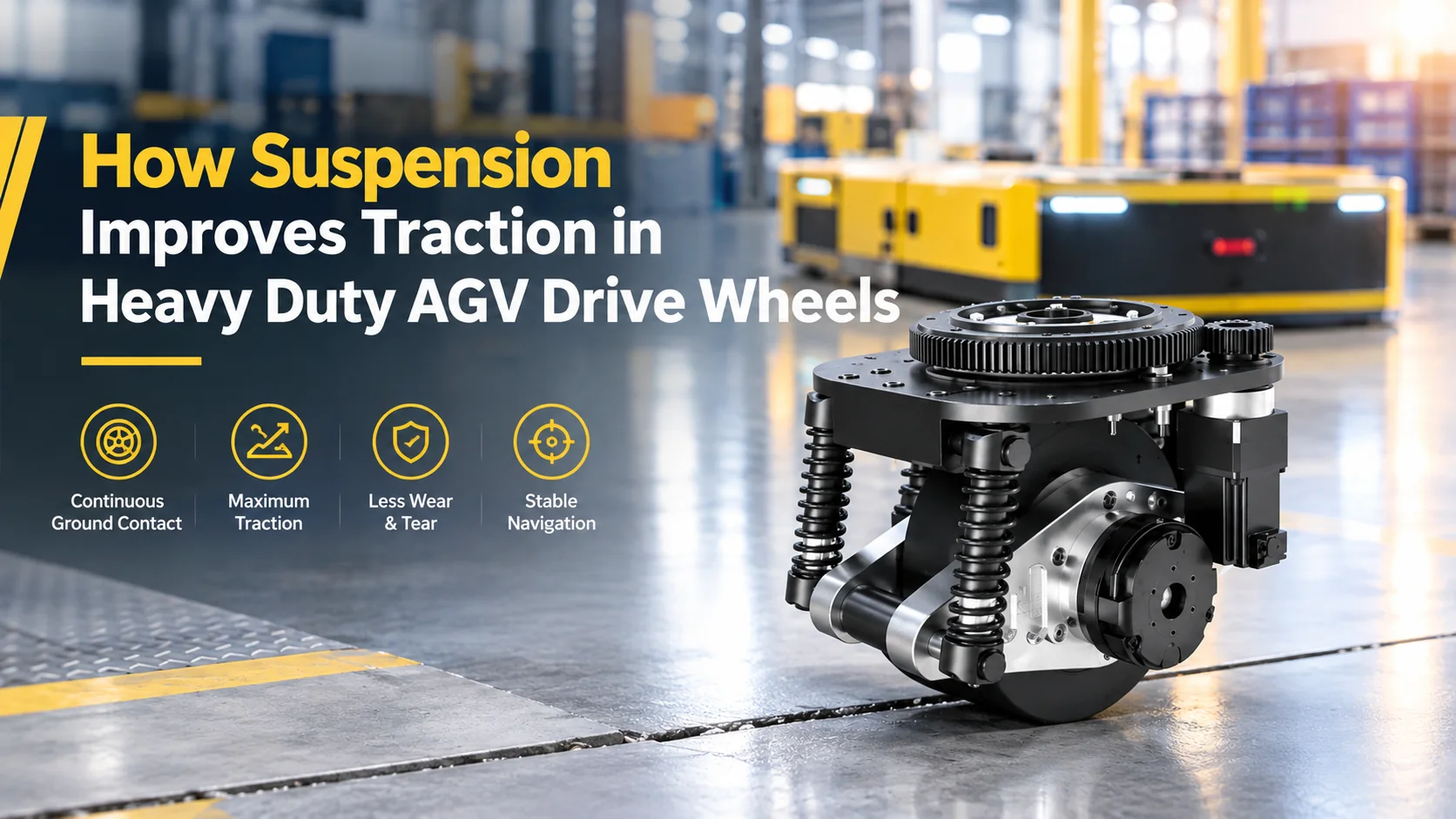
Suspension systems connect the vehicle chassis directly to the drive wheel assemblies. They absorb mechanical shocks and manage dynamic load forces.
When an AGV crosses a floor depression, internal springs or hydraulic fluid expand. This motion presses the drive wheel firmly against the ground.
When hitting a raised bump, the suspension compresses vertically. The dampening element absorbs the impact force instead of lifting other wheels.
This vertical movement lets each wheel adjust to floor variations independently. Constant ground contact ensures maximum tire friction and smooth drive power transfer.
High-precision gearboxes integrated into the wheel modules deliver consistent torque to match this ground grip.
What Are the Key Types of AGV Suspension Systems?
Selecting the correct suspension design depends on vehicle payload and floor conditions.
Spring Loaded Mechanical Suspension
Coil springs and pivot arms offer a simple mechanical layout. They provide predictable restoring force for moderate payloads.
Mechanical springs feature lower production costs and straightforward maintenance. However, springs have fixed stiffness limits. They may compress too much under full loads or bounce when empty.
Hydraulic and Hydropneumatic Suspension
Hydraulic cylinders replace standard coils to support extreme loads exceeding ten tons. They adjust fluid pressure to balance dynamic wheel loads.
Hydraulic systems keep vehicle ride height consistent whether loaded or empty. They also provide superior shock absorption on rough industrial floors.
Independent Suspension Modules
Independent suspension decouples the vertical motion of every wheel assembly. Bumps on one side do not impact stability on the opposite side.
This design offers exceptional roll stability and precise load balance. It integrates well with specialized planetary gearboxes for compact power delivery.
How to Optimize AGV Suspension for Peak Traction
Follow these steps to configure heavy duty AGV drive wheels for optimal traction.
- Measure floor surface variations across your entire facility layout.
- Calculate total empty weight, maximum payload, and center of gravity height.
- Select appropriate spring rates or hydraulic operating pressures.
- Set vertical travel limits so wheels absorb bumps without hitting frame stops.
- Match the wheel assembly with high-torque gearboxes and durable drive motors.
- Install sensors to monitor wheel pressure and balance load distribution in real time.
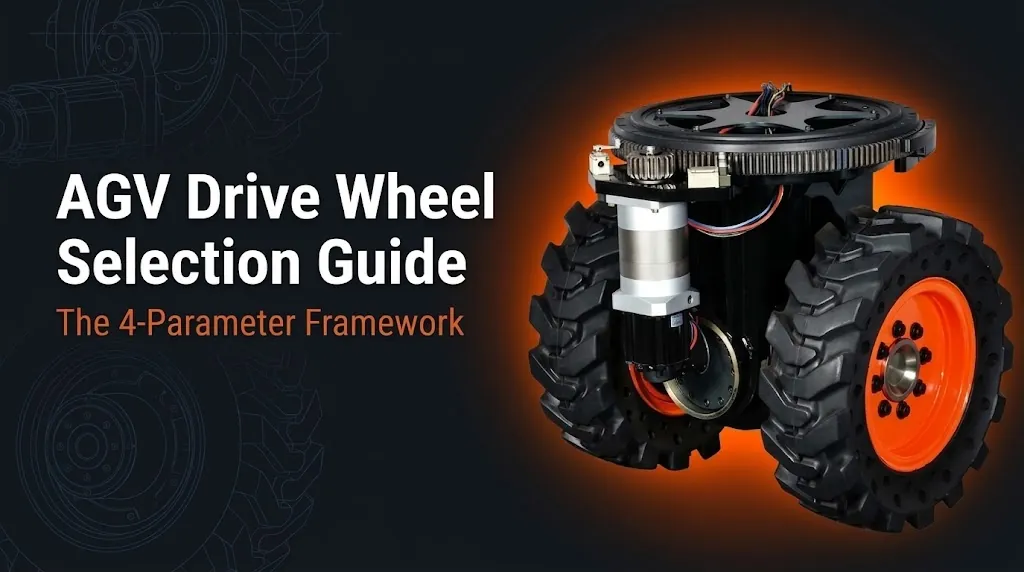
What Results Do Suspended Drive Wheels Deliver?
In heavy manufacturing plants, vehicles carry massive payloads across challenging surfaces. Unsuspended drive systems often experience frequent wheel slippage.
Integrating independent suspension solves this traction loss. Suspension elements adjust automatically to ground changes in real time.
All drive wheels remain grounded across uneven expansion joints. Wheel slippage stops, and navigation drift disappears.
Furthermore, consistent wheel pressure prevents tire damage. Component lifespan increases, while maintenance downtime drops significantly.
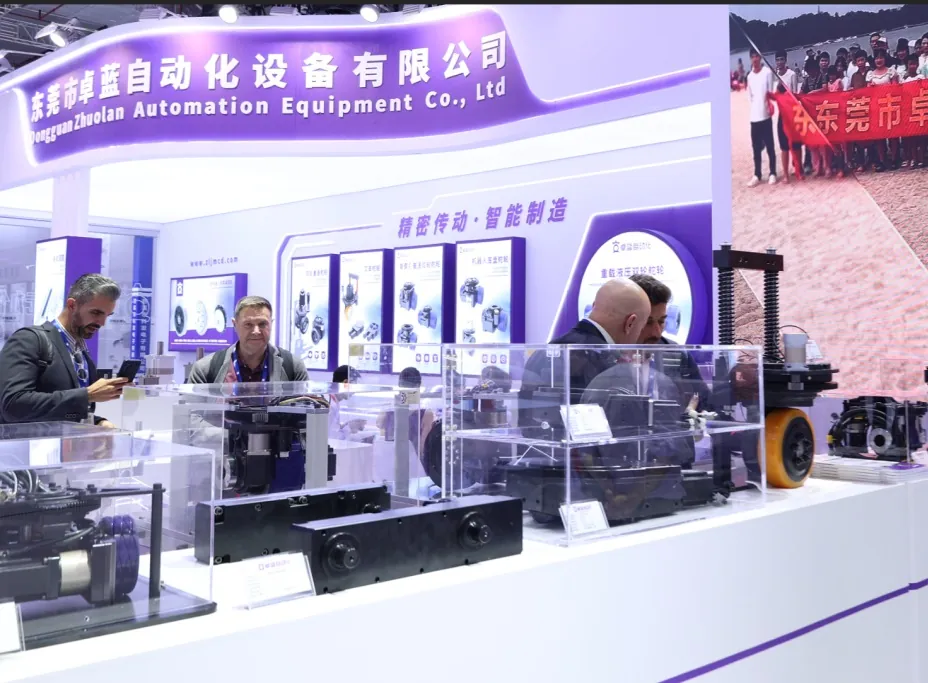
Industrial buyers often pair these suspension units with reliable gearboxes and motors from trusted supply partners like Houzai. As a primary distributor for Zhuolan, Houzai supplies robust drive wheel solutions, high-torque gearboxes, and complete technical support for heavy AGV projects.
What Are the Limitations of Drive Wheel Suspension?
While suspension solves traction issues, engineering teams must review key trade-offs.
Suspension arms, linkages, and dampers require extra internal clearance inside the chassis. Moving joints also demand routine lubrication and periodic alignment checks.
In addition, custom suspension components increase initial development investment. However, lower tire wear and improved uptime outweigh these costs over time.
Frequently Asked Questions
Does suspension improve AGV navigation accuracy?
Yes. By preventing wheel slippage, suspension keeps wheel odometry accurate for precise positioning.
How do I choose between spring and hydraulic suspension?
Spring suspension works well for light to medium payloads. Hydraulic suspension is better for heavy loads requiring stable ride height.
Can suspension extend drive component life?
Yes. Suspension reduces shock loads on gearboxes, drive motors, and wheel bearings.
How do gearboxes impact AGV drive performance?
Precision gearboxes deliver smooth torque control to drive wheels, helping maintain steady speed and grip on uneven floors.