Why Does an AGV Drift?
An AGV that cannot follow a straight path can create problems across an automated workflow. It may need extra corrections, miss its target position, or require repeated adjustments during commissioning.
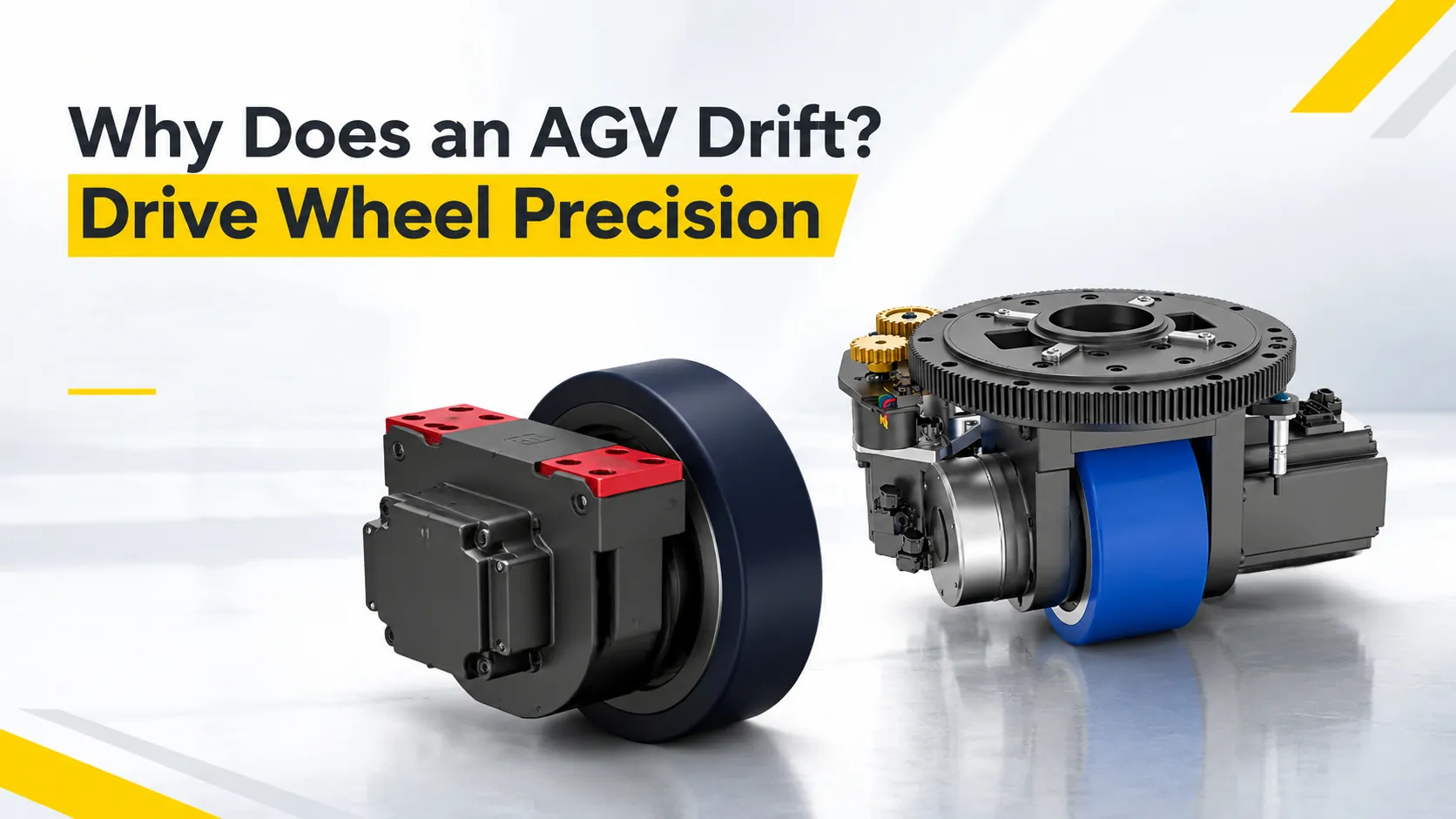
Drive wheel precision is one possible cause. Differences in wheel diameter, uneven wear, or excessive runout can affect how the vehicle moves. However, not every tracking problem starts with the wheels.
Motor feedback, encoder settings, steering alignment, floor conditions, and navigation calibration can also affect the result.
The key is to identify the cause before replacing parts or changing control settings. A clear troubleshooting process can save time and help avoid unnecessary changes.
For AGV manufacturers and system integrators, wheel quality also matters before a project reaches the installation stage. Clear specifications and suitable inspection methods help reduce the risk of component mismatches.
How Drive Wheel Precision Affects AGV Tracking
1. Effective Wheel Diameter
An AGV may use wheel encoders to estimate how far it has traveled. The controller converts wheel rotation into distance using a configured wheel diameter.
If the actual rolling diameter differs from the configured value, the estimated travel distance may also be inaccurate.
For a differential-drive AGV, the difference between the left and right wheels can have an additional effect. The vehicle changes direction by varying the relative speeds of its drive wheels. Unequal rolling distances can therefore affect its path.
Wheel wear, manufacturing variation, and deformation under load may all change the effective rolling diameter.
When checking wheel dimensions, compare both drive wheels under consistent conditions. Also consider whether the controller uses the correct wheel diameter.
2. Radial Runout
Radial runout occurs when the wheel’s rolling surface does not maintain a constant distance from its axis during rotation.
Excessive runout can cause periodic changes in wheel contact or vibration. Depending on the design and operating conditions, it may also affect movement consistency.
A dial indicator can help measure radial runout. Take readings at several angular positions and compare them with the product drawing or agreed acceptance limits.
Runout does not automatically mean the wheel causes the drift. Its impact depends on the amount of runout, wheel design, mounting, load, and control system.
3. Uneven Wear and Polyurethane Deformation
AGV drive wheels may wear at different rates. Frequent turning, uneven loads, and differences in floor contact can contribute to this problem.
Polyurethane wheels also deform under load. Two wheels with similar unloaded diameters may not have identical effective rolling diameters during operation.
Check for uneven tread wear, flat spots, surface damage, and signs of polyurethane separation. If the vehicle carries a heavy load, consider how the operating load affects wheel contact.
These checks are useful when investigating drift after extended use or following a wheel replacement.
4. Mounting and Alignment
A wheel may meet its dimensional specifications but still perform poorly after installation.
Incorrect mounting, shaft misalignment, loose fasteners, or an unsuitable mounting interface can affect wheel rotation and contact.
Inspect the mounting surfaces, shaft, fasteners, and wheel alignment. If the wheel assembly was recently replaced, confirm that the new component matches the original interface and installation requirements.
This is one reason why checking the full wheel assembly can be more useful than comparing diameter alone.
How to Troubleshoot AGV Drift in Five Steps
Use these steps to narrow down the cause before replacing components or adjusting the controller.
Step 1: Record the Drift Pattern
Observe the AGV on a clear, level test area. Record whether it pulls consistently to one side, wanders, or deviates mainly during turns.
Note the vehicle load, speed, travel distance, floor condition, and direction of travel. Record whether the problem appeared after maintenance or wheel replacement.
A repeatable pattern gives the engineering team a better starting point.
Step 2: Inspect Both Drive Wheels
Check both wheels for uneven wear, flat spots, cracks, surface damage, and polyurethane separation.
Look for debris on the tread and signs of uneven floor contact. Inspect the mounting points and fasteners as well.
If you find visible damage, investigate it before changing navigation settings. If both wheels appear normal, continue with dimensional and control checks.
Step 3: Measure Diameter and Runout
Measure the wheel diameter at several points around each wheel. Compare the results and check for obvious differences between the left and right sides.
Use a dial indicator to measure radial runout. Check axial runout if the wheel design or symptoms make it relevant.
Compare the measurements with the approved drawing and acceptance criteria. There is no single tolerance that suits every AGV drive wheel.
For polyurethane wheels, remember that unloaded dimensions may not fully represent rolling behavior under operating load.
Step 4: Check Drive and Navigation Settings
If the wheel measurements do not explain the problem, check the drive system.
Review motor speed feedback, encoder readings, wheel diameter settings, and relevant calibration values. For steering-drive systems, also check steering alignment and the zero position.
The National Institute of Standards and Technology (NIST) provides research and guidance on measurement and robotics. For a real AGV project, follow the vehicle manufacturer’s calibration procedure and use the system’s approved test methods.
Step 5: Repeat a Controlled Travel Test
Run the AGV along a marked straight path. Keep the load, speed, floor, and starting position consistent.
Record lateral deviation at fixed distances. If necessary, also check turning behavior and return-to-position repeatability.
Compare the results before and after each adjustment. Change one factor at a time so you can identify which change improves performance.
A short test helps narrow down the cause. Final validation should reflect the vehicle’s actual operating conditions.
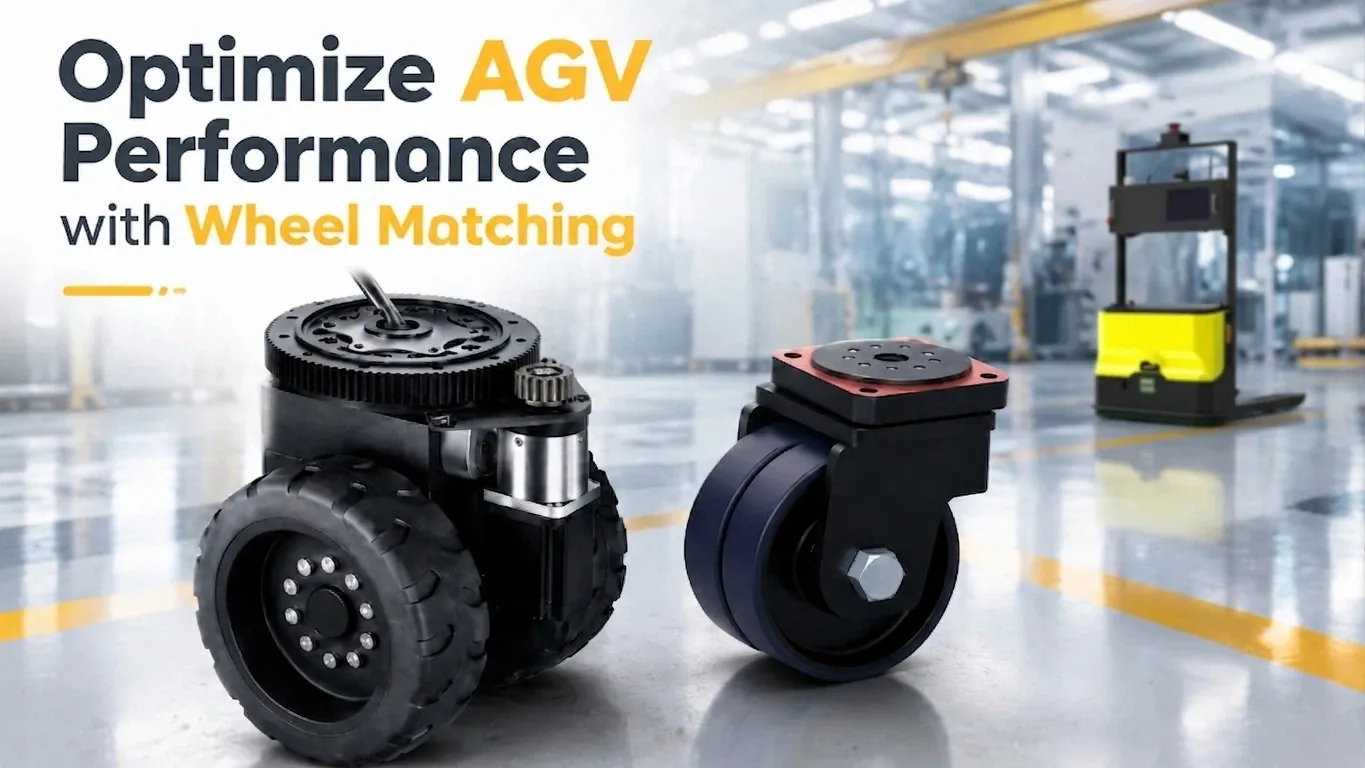
What to Check When Choosing an Industrial AGV Drive Wheel Manufacturer
Troubleshooting is only part of the picture. For AGV manufacturers, machine builders, and system integrators, choosing suitable drive wheels at the design stage can also help reduce integration risks.
When evaluating an industrial AGV drive wheel manufacturer, look beyond the quoted price. Consider whether the supplier can clearly confirm the product specifications, mounting requirements, and inspection criteria.
Key points include:
- Wheel dimensions and tolerances: Confirm the nominal diameter and permitted variation.
- Radial runout: Agree on an acceptable limit based on the wheel design and application.
- Polyurethane specifications: Confirm the required hardness and test method.
- Bonding quality: Define inspection requirements for the polyurethane-to-hub bond, where applicable.
- Mounting interface: Check the shaft, bore, fixing method, and installation dimensions.
- Inspection records: Agree on which measurements and quality records are required before shipment.
The right specifications depend on the vehicle design, operating load, floor conditions, speed, and required tracking accuracy. Tighter tolerances are not automatically necessary for every application.
Clear communication also matters when a project needs a non-standard size, a different mounting interface, or a replacement for an existing wheel assembly. Sharing drawings and operating conditions early can help identify potential mismatches before production.
For more information about wheel materials and application requirements, see our AGV drive wheel selection guide.
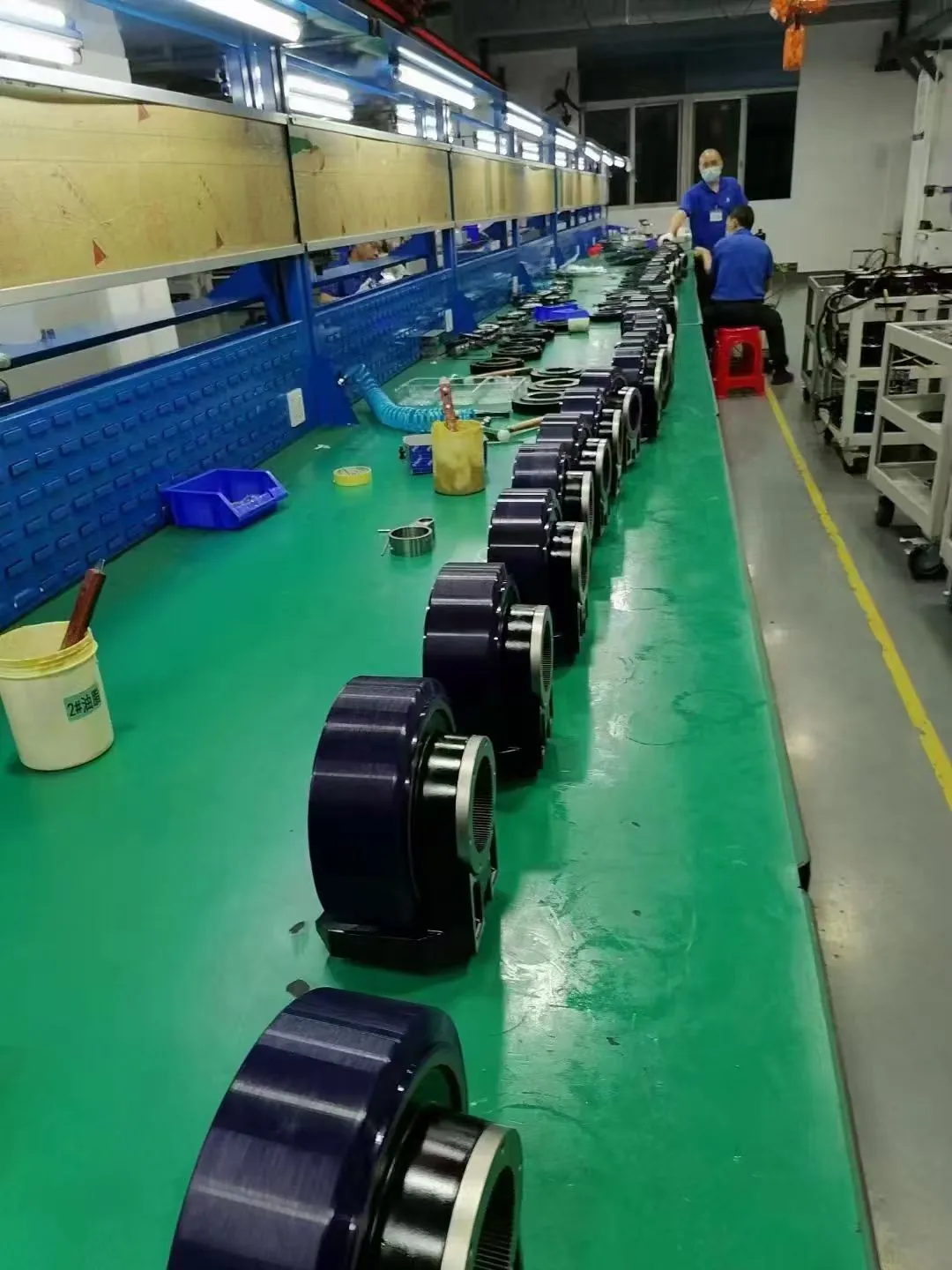
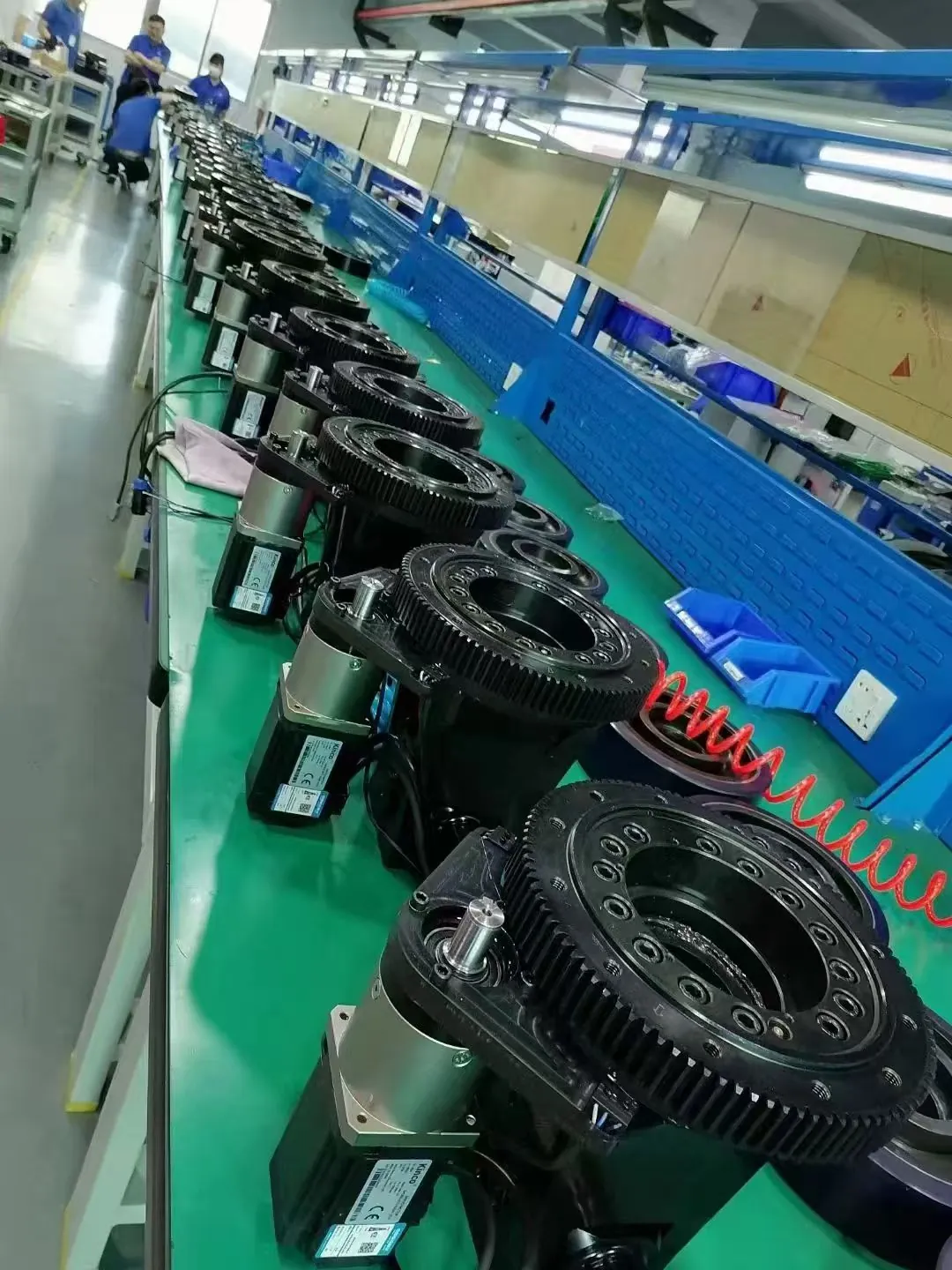
How Houzai Supports AGV Drive Wheel Projects
Selecting an AGV drive wheel involves more than matching a diameter. The wheel must suit the vehicle load, floor conditions, drive layout, mounting interface, and intended operating environment.
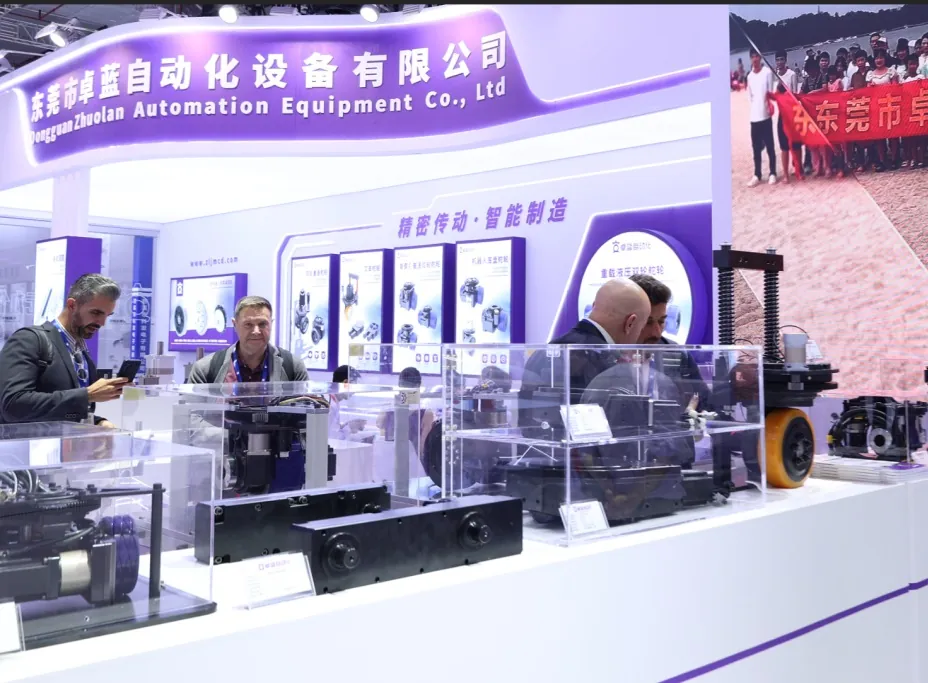
Houzai is Zhuolan’s core agent and supports international customers sourcing AGV drive wheels and motion control products for industrial automation applications.
We help customers review product requirements, compare available specifications, and discuss suitable options for new equipment or replacement projects. When a project has specific mounting or dimensional requirements, clear drawings and application details help us assess the request more effectively.
For OEMs and system integrators, this support can be useful during component selection, design review, and supplier evaluation. It also helps establish which specifications need confirmation before an order is placed.
If you are comparing an industrial AGV drive wheel manufacturer, we recommend preparing the following information:
- Wheel drawing or dimensions
- Vehicle weight and maximum payload
- Required travel speed
- Drive layout, such as differential drive or steering drive
- Floor conditions and operating environment
- Current tracking issues, if the request involves troubleshooting
- Expected quantity and any special mounting requirements
With these details, our team can review your requirements and discuss suitable product options. The final selection should be confirmed against the actual application and technical specifications.
Need help with an AGV drive wheel project?
Contact Houzai to discuss your drawings, operating conditions, and product requirements. Whether you are developing a new AGV, replacing an existing wheel assembly, or reviewing a drive system issue, providing the application details is a useful first step.
Frequently Asked Questions
Can New Drive Wheels Fix AGV Drift?
They can help if wheel wear, dimensional differences, or damage causes the problem. However, new wheels will not automatically fix encoder errors, motor speed differences, alignment issues, or navigation problems.
Identify the likely cause before replacing components.
What Wheel Diameter Difference Causes AGV Drift?
There is no single diameter difference that applies to every AGV. The effect depends on the wheel layout, wheelbase, travel distance, load, control method, and required accuracy.
Use the vehicle manufacturer’s limits or establish acceptance criteria through controlled testing.
Does Radial Runout Always Cause an AGV to Drift?
No. Radial runout can cause periodic changes in wheel contact or vibration. Whether it creates measurable path deviation depends on the amount of runout and the overall drive system.
Should the Controller Be Recalibrated After Wheel Replacement?
Check the vehicle manufacturer’s procedure. If the replacement changes the effective wheel diameter or other drive parameters, relevant settings may need updating.
After replacement or adjustment, repeat a controlled travel test to verify the result.
What Information Should I Send When Requesting an AGV Drive Wheel Quote?
Start with the wheel drawing or dimensions, vehicle load, target speed, drive layout, mounting requirements, and expected quantity.
If you are replacing an existing wheel, photos and details of the current assembly can also help clarify the request. The supplier can then review the available specifications and identify any missing information.
Conclusion
AGV drift is a symptom, not a diagnosis. Drive wheel precision can affect tracking, but it should be checked alongside the drive system, mounting, floor conditions, and navigation setup.
A repeatable troubleshooting process helps teams identify the likely cause before replacing parts or changing parameters. Clear wheel specifications and inspection criteria can also support better purchasing decisions.
For AGV manufacturers and system integrators, the right supplier should do more than provide a price. Product requirements, mounting details, and acceptance criteria should be clear before production begins.
Houzai supports customers with AGV drive wheel and motion control product selection. If you are planning a new AGV project or reviewing an existing wheel assembly, share your drawings and application requirements with our team to discuss suitable options.