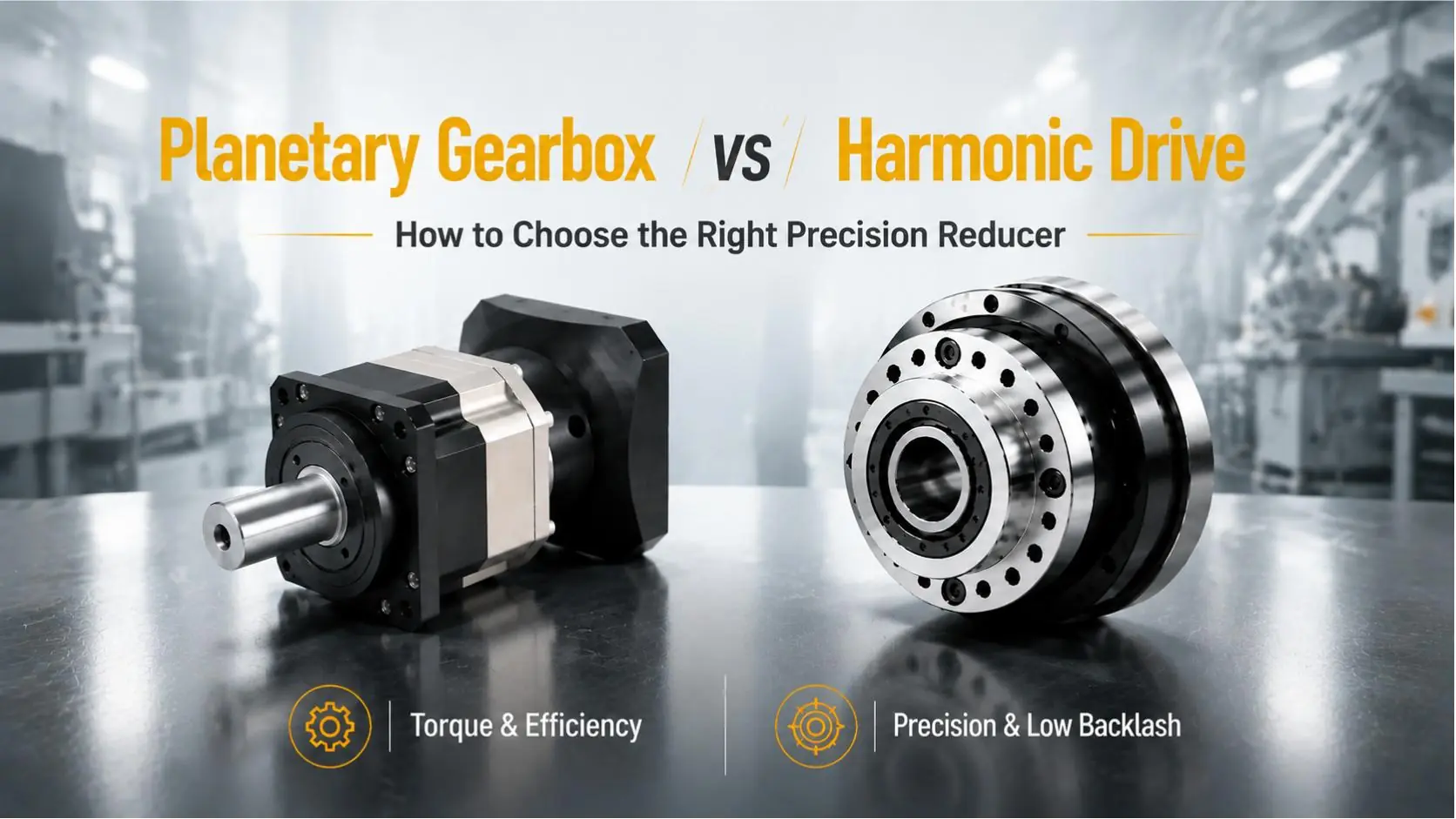
Selecting the right speed reducer can make or break your industrial automation project. Whether you build robotic arms or automated guided vehicles, the gearbox dictates performance. Two technologies dominate the modern automation market: the planetary gearbox and the harmonic reducer. While both reduce speed and increase torque, they rely on entirely different mechanical principles. The core difference divides them into two distinct categories based on rigidity and flexibility. Planetary gearboxes excel in heavy loads, while harmonic drives offer ultra-high precision.
What is the Main Difference Between Planetary and Harmonic Systems
The fundamental variance lies in the mechanical transmission method. Planetary gearboxes rely on rigid metal-to-metal gear teeth meshing together. Conversely, harmonic drives utilize the controlled elastic deformation of a flexible metal cup. This structural divergence creates unique operational characteristics for each gearbox type. Engineers select planetary options for raw strength and longevity. They choose harmonic solutions when compact size and exact positioning take priority.
Understanding Precision Planetary Gearboxes
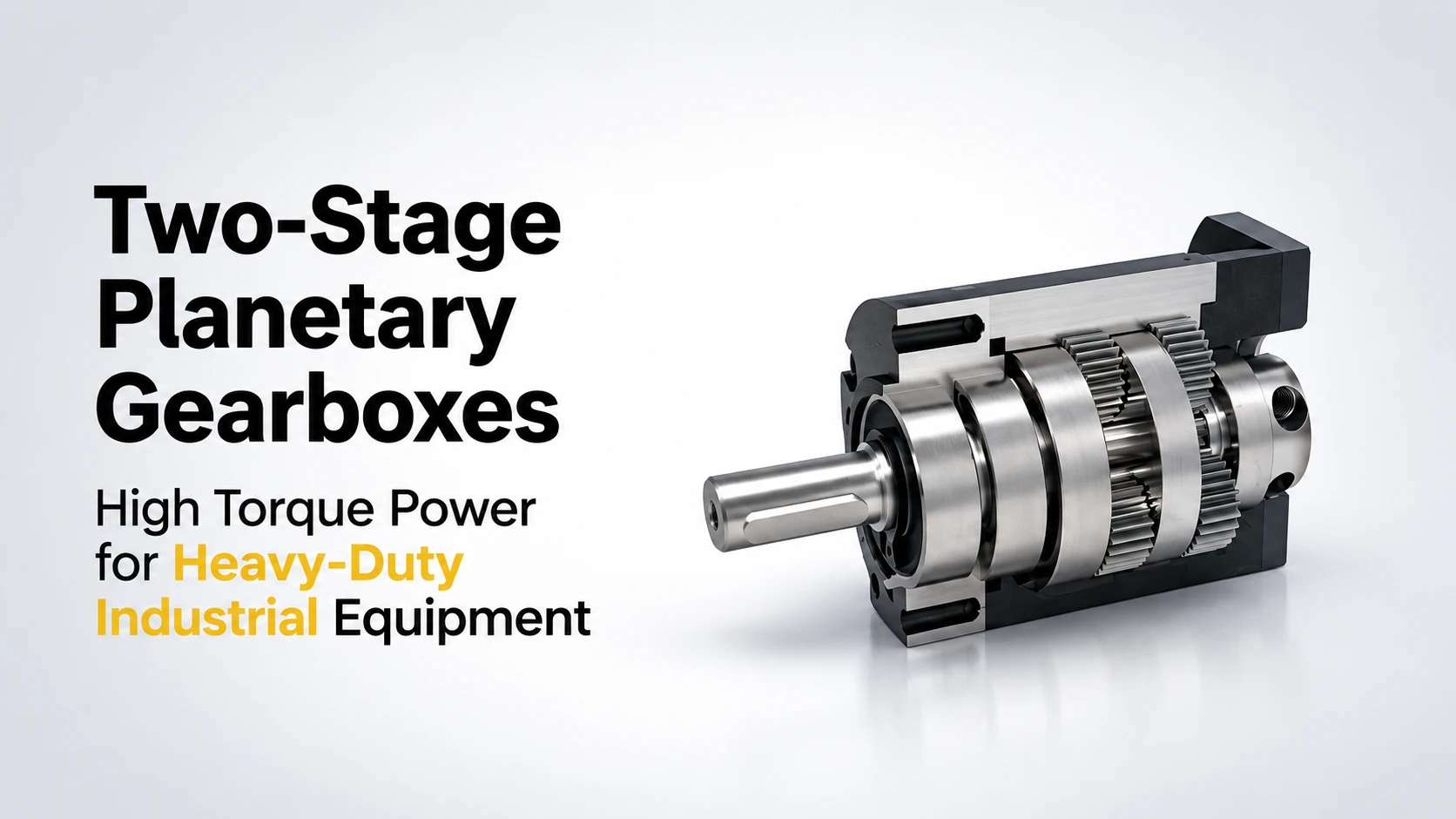
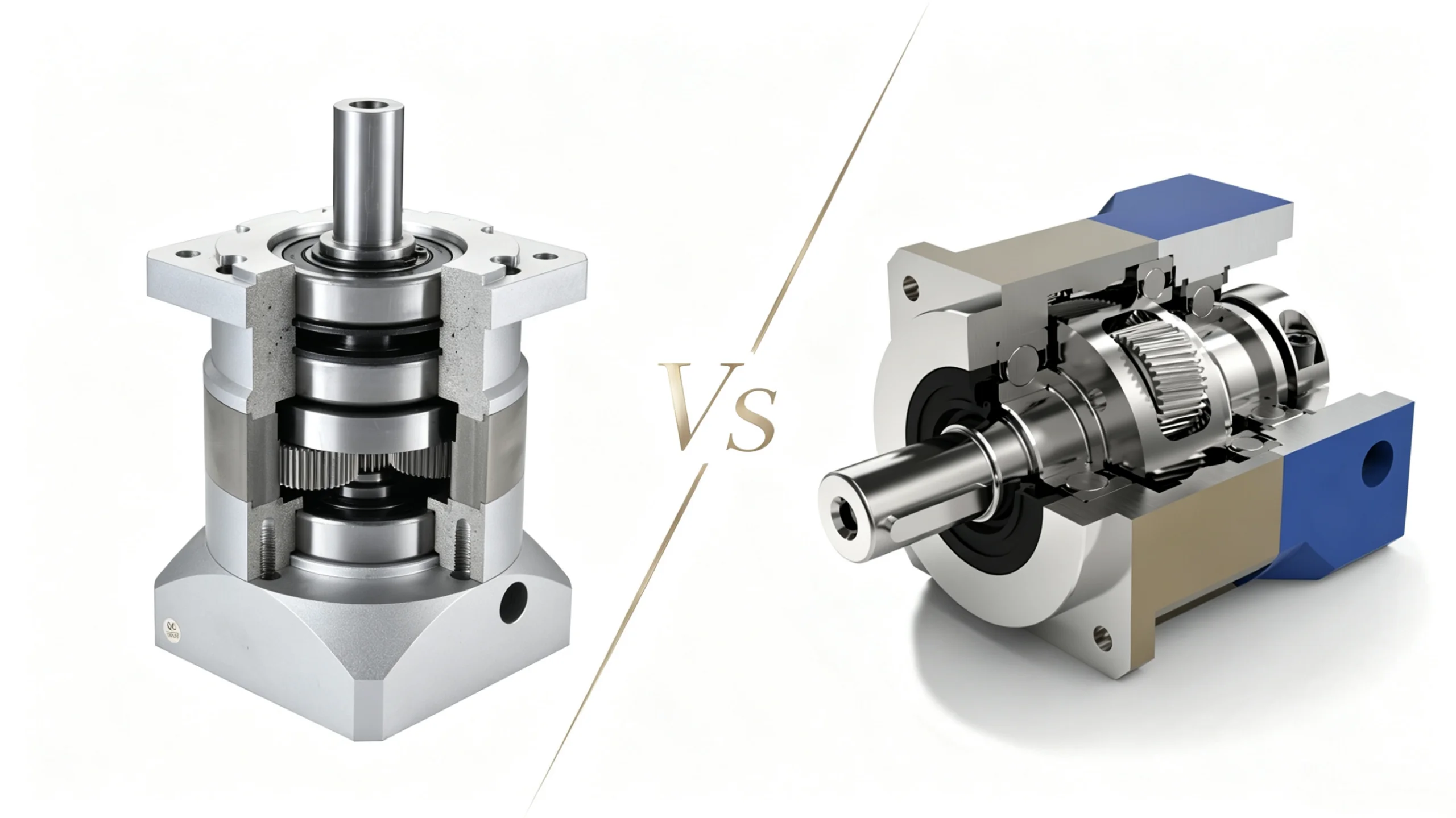
A planetary gearbox mimics the solar system to reduce speed and multiply torque. It features a central rotating element surrounded by rolling gears.
Key Components of Planetary Systems
A standard planetary gearbox features four main mechanical elements:
- Sun Gear: The central gear connected directly to the input motor shaft.
- Planetary Gears: Multiple small gears that orbit the central sun gear.
- Planet Carrier: The housing that holds the planetary gears and delivers output.
- Ring Gear: A fixed outer ring with internal teeth that guides the gears.
As the sun gear spins, it drives the planetary gears to rotate. The planet carrier captures this motion to deliver stable output power.
Understanding the Harmonic Reducer
A harmonic reducer offers incredible gear reduction ratios within a compact single stage. The design minimizes spatial requirements while maximizing positional accuracy.
Key Components of Harmonic Drives
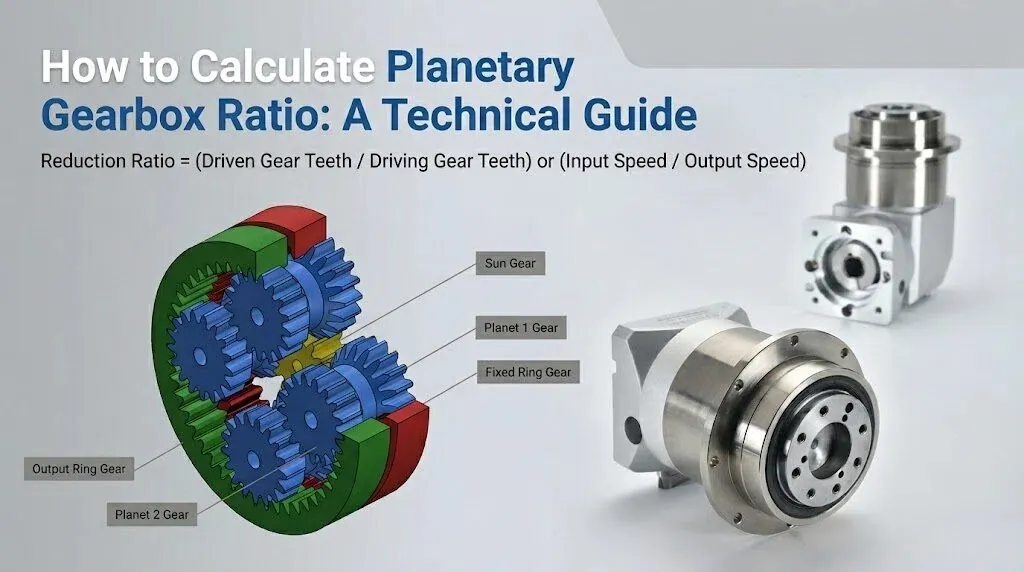
A standard harmonic drive consists of three basic components:
- Wave Generator: An elliptical steel disk wrapped in a flexible ball bearing.
- Flexspline: A non-rigid, thin-walled steel cup with external gear teeth.
- Circular Spline: A rigid internal gear ring that meshes with the Flexspline.
The wave generator deforms the Flexspline into an elliptical shape. This controlled deformation allows the teeth to mesh and transfer smooth motion.
Engineering Guide: How to Calculate Torque and Reduction Ratio
Accurate calculations ensure you select the correct speed reducer for your application. Engineers must determine two primary performance metrics during the design phase.
1. Calculating the Reduction Ratio
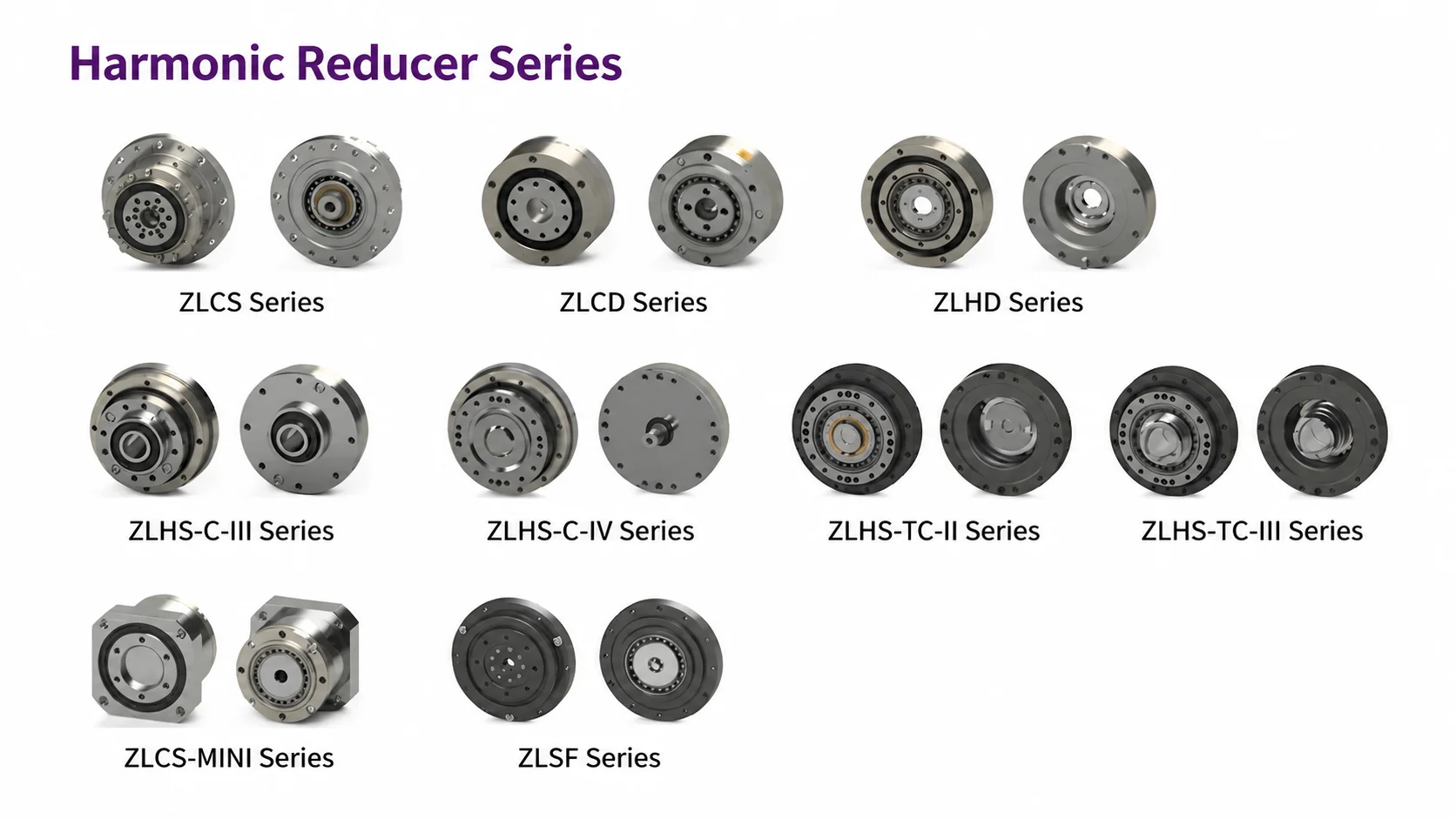
The reduction ratio determines the speed conversion between the motor and the workload. Use this standard mechanical formula:
Ratio = Input Speed / Required Output Speed
For example, a 3000 RPM motor driving a 60 RPM shaft requires a 50:1 ratio.
2. Calculating Required Output Torque
Output torque drives the actual workload and overcomes mechanical resistance. Calculate the theoretical output torque with this formula:
Output Torque = Motor Torque x Ratio x Efficiency
Mechanical efficiency varies significantly between technologies. Planetary gearboxes offer high efficiency, often around 95 percent. Harmonic reducers typically achieve 70 to 85 percent efficiency due to friction.
3. Applying the Service Safety Factor
Never select a gearbox based solely on theoretical values. Always apply a service safety factor to handle real-world operational spikes.
Design Torque = Required Output Torque x Service Factor
For uniform continuous loads, use a service factor of 1.2. For heavy shock loads, increase the factor to 1.5 or 2.0.
Comparative Performance Analysis
Engineers must evaluate specific performance metrics before choosing a gear system. Planetary gearboxes handle massive torque capacities and severe impact loads. They distribute mechanical forces across multiple teeth to ensure a long lifespan. However, rigid metal contact creates a slight clearance, resulting in higher backlash.
Harmonic drives offer zero backlash and exceptional positioning accuracy. They weigh much less than planetary gearboxes with identical reduction ratios. Yet, the flexible cup faces mechanical fatigue, leading to a shorter lifespan.
How to Choose a Reducer in 5 Steps
Follow these five engineering steps to determine the ideal gearbox for your project:
Step 1: Calculate the required reduction ratio by dividing input speed by output speed.
Step 2: Determine the peak output torque including mechanical efficiency losses.
Step 3: Apply a service safety factor to protect against sudden shock loads.
Step 4: Check spatial constraints to see if you need a compact lightweight design.
Step 5: Assess positioning accuracy requirements to eliminate unwanted system backlash.
Application Case Study and Limitations
Consider a modern multi-axis industrial robot as a practical example. Engineers deploy planetary gearboxes at the base joints to handle heavy lifting loads. They utilize a harmonic reducer at the wrist joints to achieve precise manipulation. This hybrid configuration balances structural strength with high positional accuracy.
However, cost budgets and environmental temperatures impose clear technical limitations. Extreme heat accelerates material fatigue in flexible components. High impact environments can easily crack the thin walls of a flexible gear.
One-Stop Industrial Automation Solutions by Houzai
As an authorized global partner of Zhuolan, Houzai delivers premium speed reducers. We provide high-performance planetary gearboxes and precision harmonic drives to global markets. Our engineering team provides comprehensive technical support to streamline your integration process.
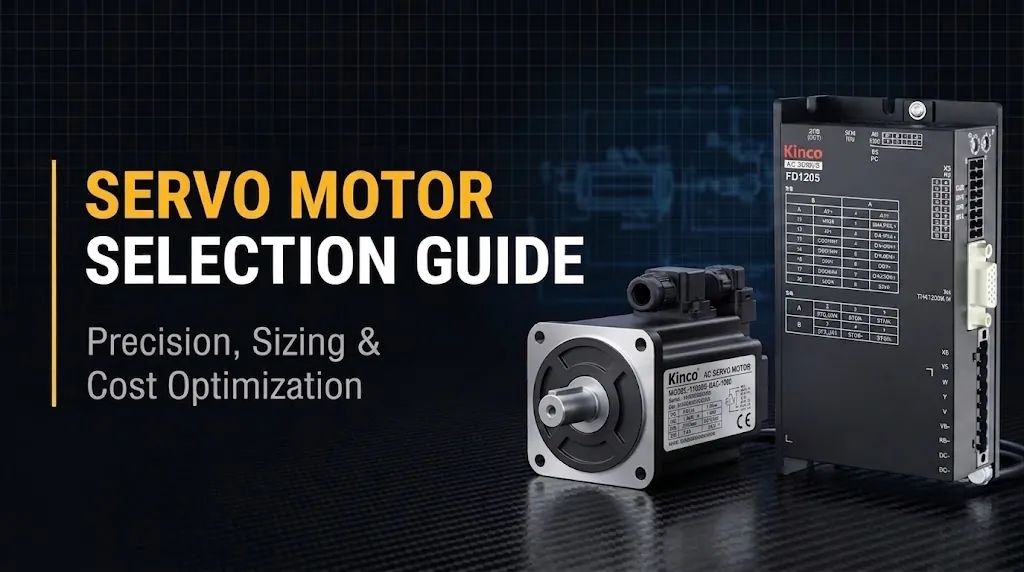
Beyond gearboxes, we offer servo motors, stepper motors, and durable motorized rollers. Houzai balances premium product quality with exceptional cost efficiency for automation projects. Contact the Houzai engineering team today to request a comprehensive product catalog.