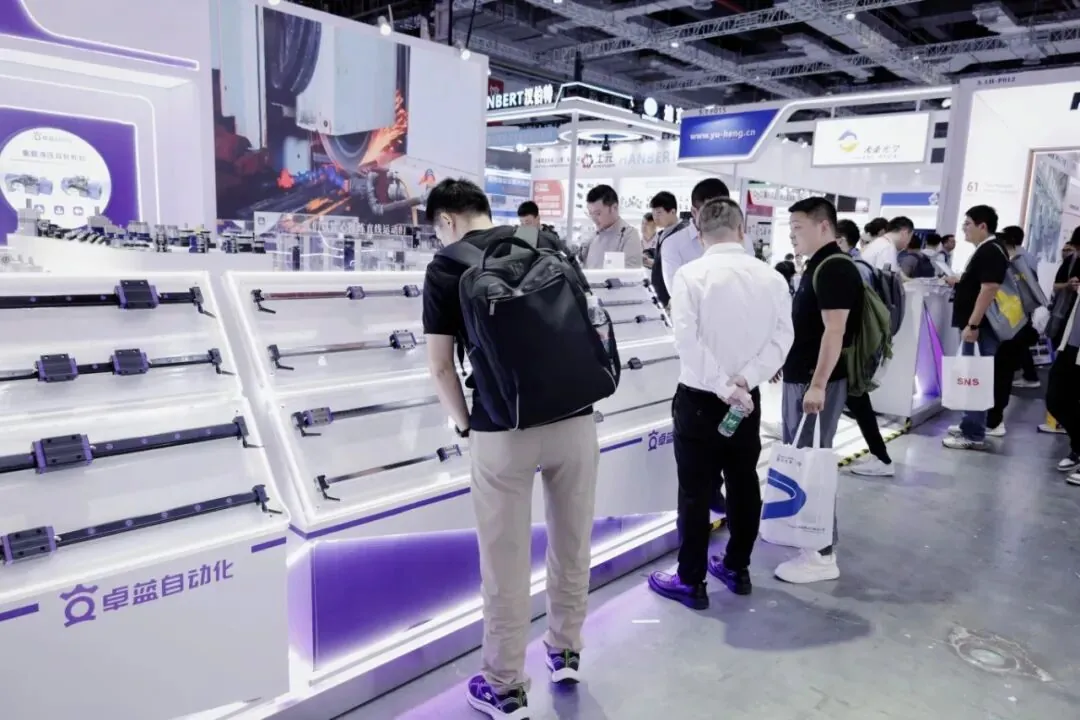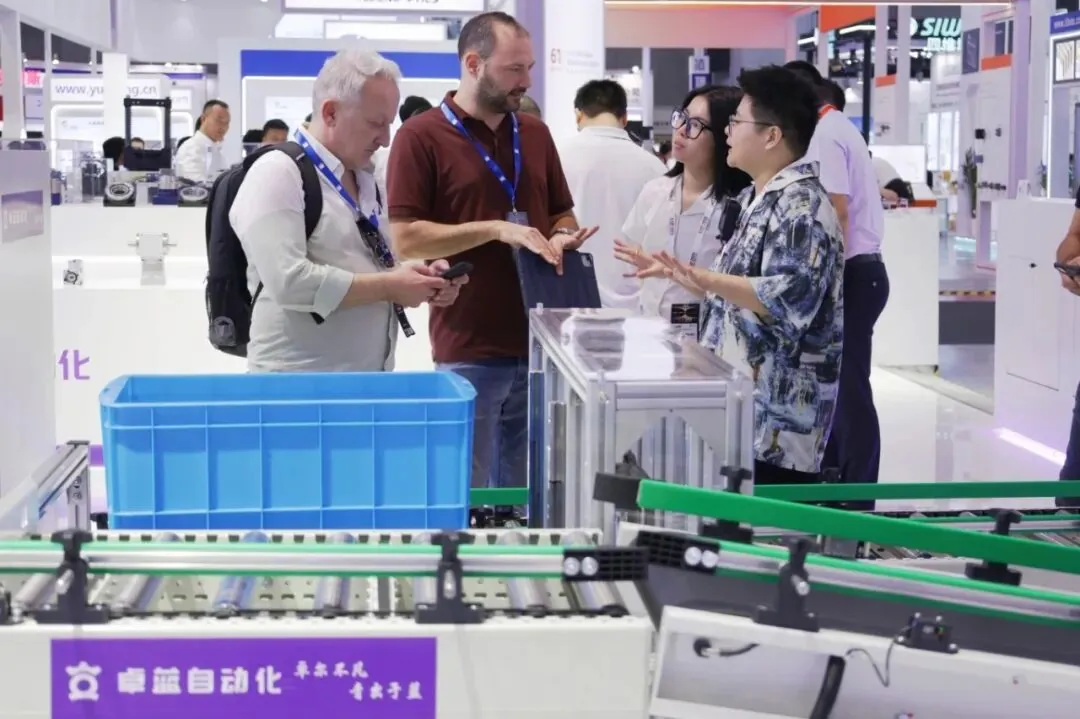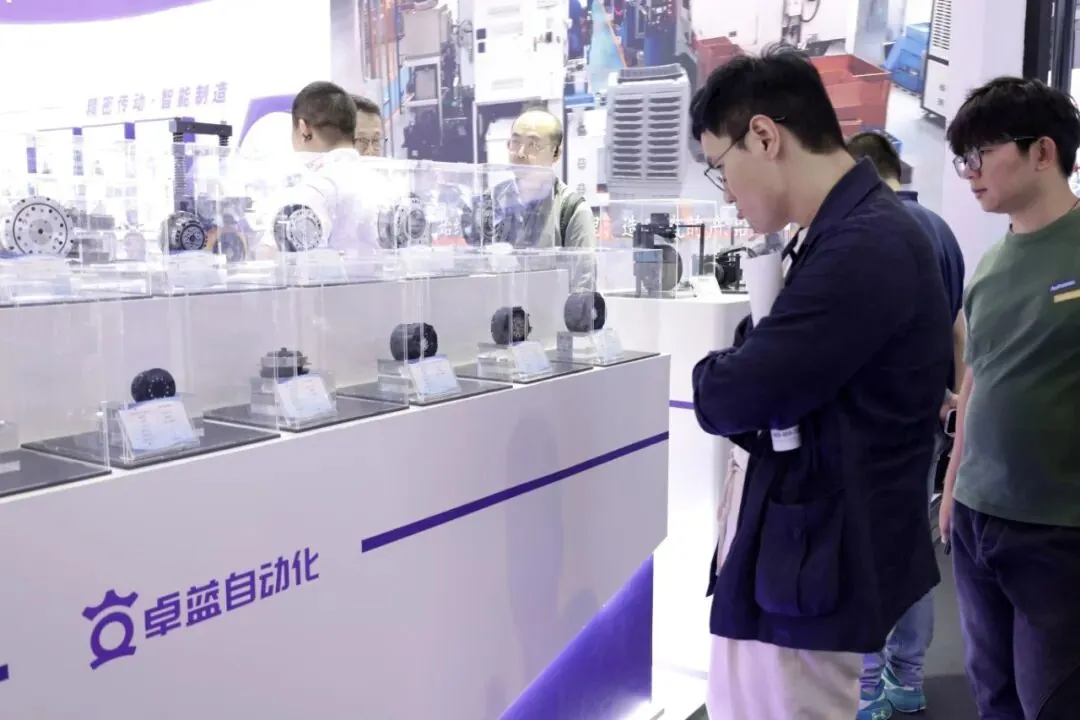
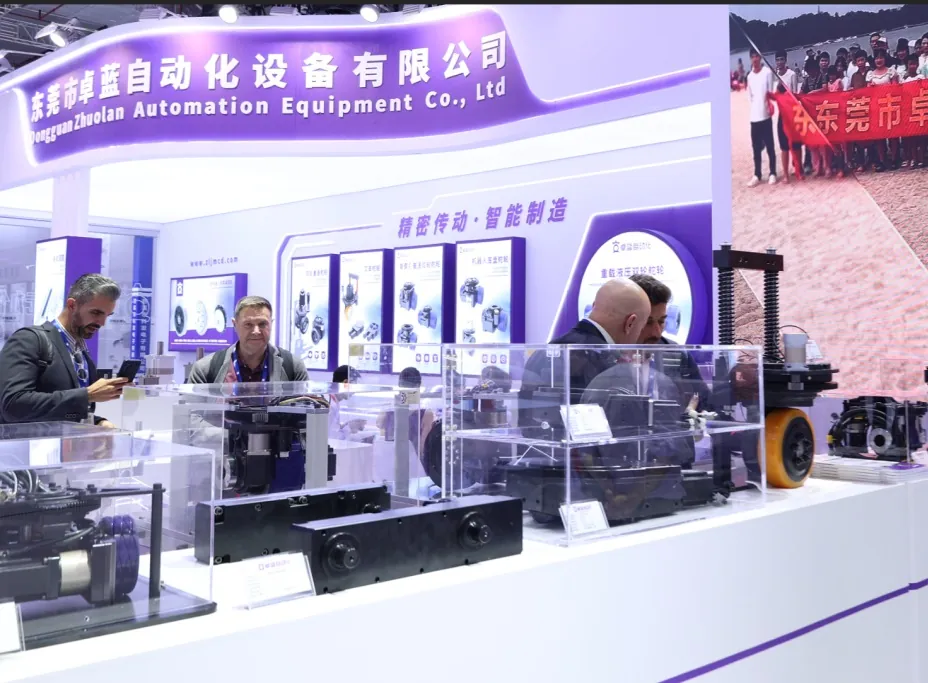
At the China International Industry Fair, trade show booth 5.1H-C139 attracted strong attention from global robotics engineers. Industrial mobile systems demand stable drive performance during daily handling tasks. Choosing a dependable AGV drive wheel assembly prevents unscheduled downtime and keeps automatic factory workflows running. Tight chassis dimensions and high load requirements create continuous design challenges. Compact planetary reduction units with high torque rating offer the practical solution for automated vehicles.
What Are the Core Challenges in AGV Drive Selection?
Automated guided vehicles and autonomous mobile robots perform demanding work in busy logistics hubs. Design teams often struggle to balance structural weight capacities with internal cabinet space. Standard drive components often wear down under continuous shock loads or take up too much vertical headroom.
System instability leads to unexpected stop times and costly maintenance calls. Modern production sites require robust motor combinations that withstand axial forces and maintain precise steering angles. Finding durable hardware with responsive technical support remains a major goal for global system integrators.
Key Technical Upgrades Featured at CIIF
Recent drive designs introduced by Zhuolan and brought to global markets through Houzai focus on compact mounting and high efficiency. These solutions solve traditional layout bottlenecks in low profile robots.
Advanced Horizontal Drive Wheel Assemblies
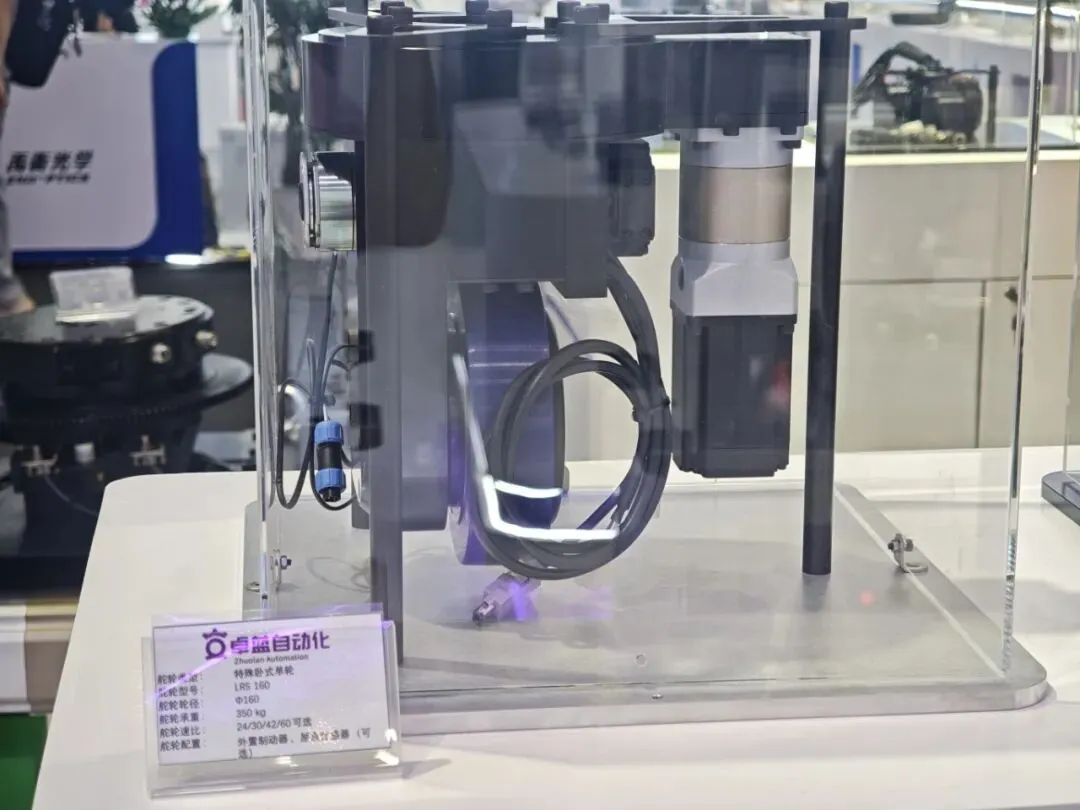
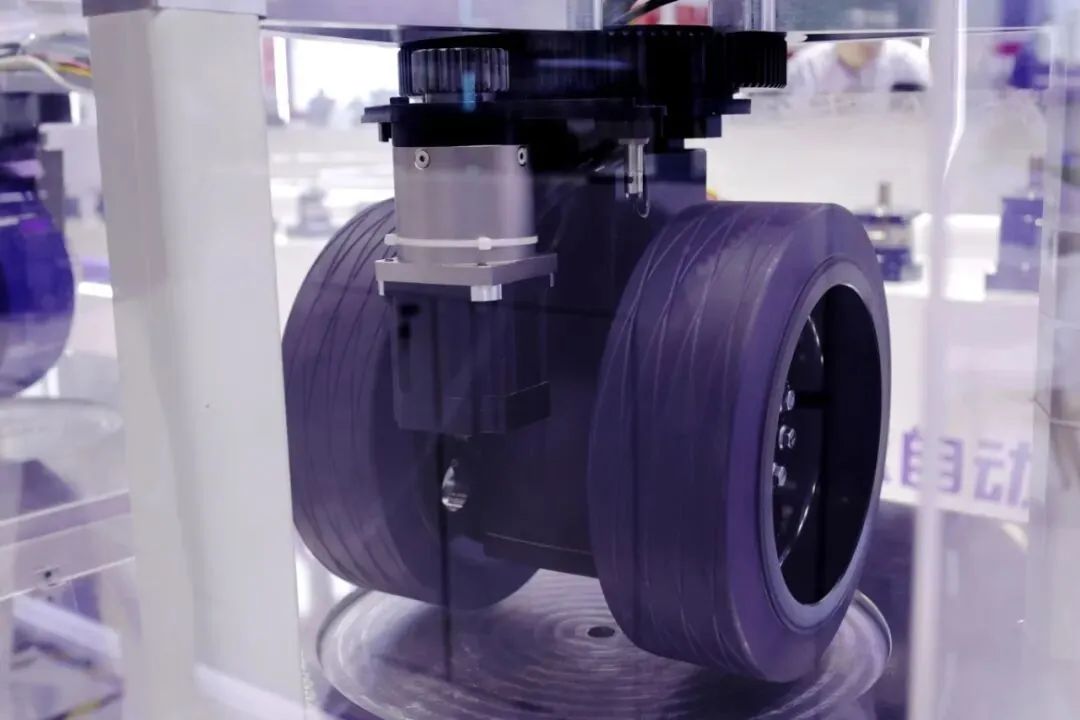
The LRS series horizontal drive wheel includes external brake units and origin sensors. This compact component targets tight vertical installation spaces without reducing braking response. The outer brake location allows quick maintenance checks and efficient heat dispersion during quick stop cycles.
Dedicated Gearboxes for Warehouse Shuttles
The NTXP series shuttle gearbox serves fast warehouse vehicles operating in high density racks. It features reinforced gear teeth that resist wear during constant start stop sequences.
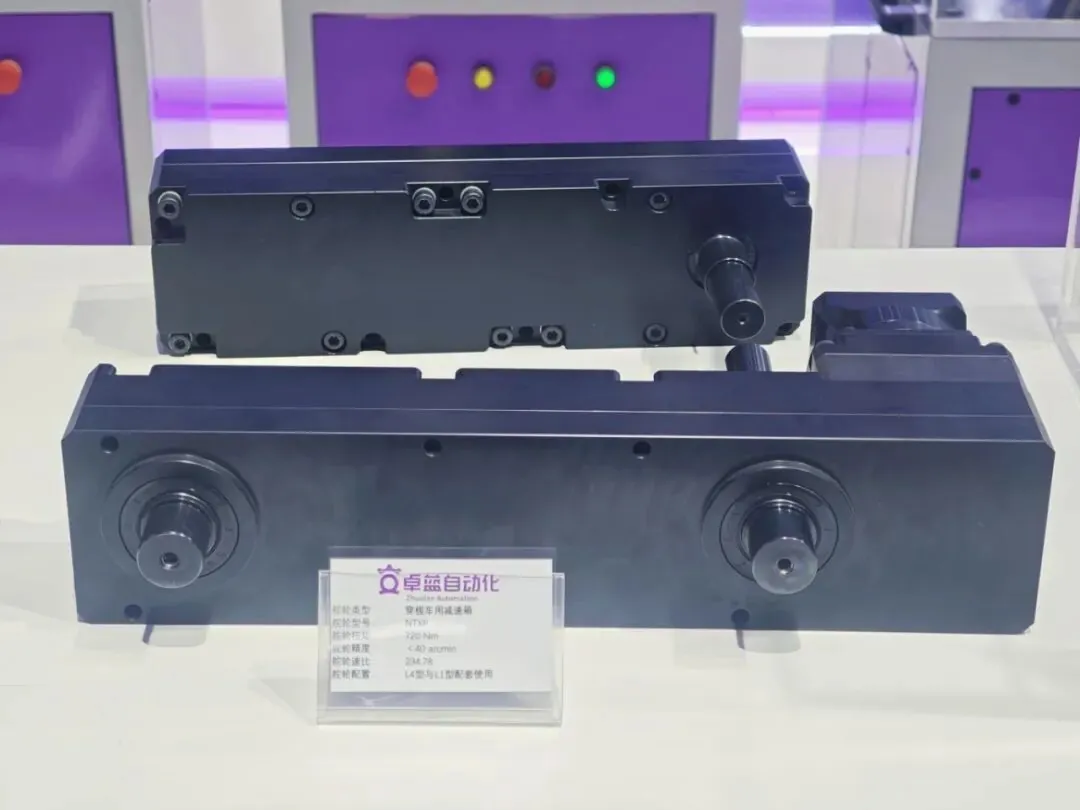
Key strengths of the NTXP series include:
- High torque density using hardened alloy steel gear sets.
- Quiet running noise through precision ground planetary gear teeth.
- Reduced power loss that extends daily battery range.
| Drive Series | Main Application | Key Advantage | Load Capacity Range |
| LRS Series | Low profile AGV and AMR | Outer brake with origin sensor | 500 KG to 3,000 KG |
| NTXP Series | Warehouse shuttle cars | High shock resistance and long lifespan | 50 KG to 1,500 KG |
| TT Heavy Series | Heavy transport carts | Superior wheel load capacity | 3,000 KG to 20,000 KG |

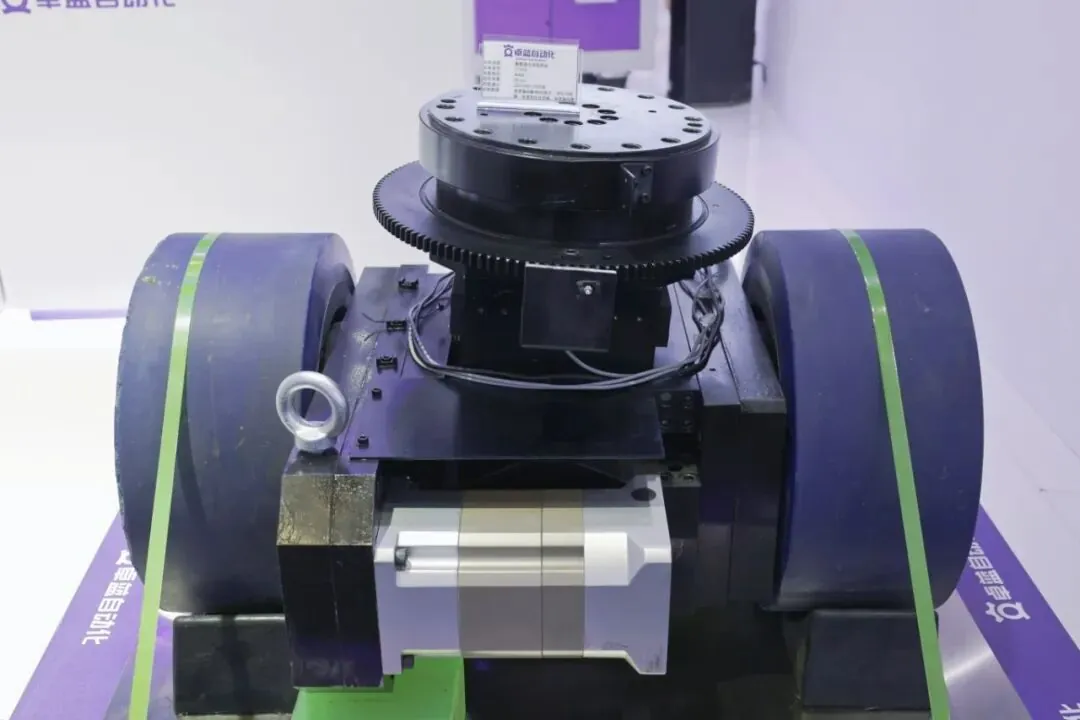
How to Optimize Your Drive System in 5 Steps
Selecting an appropriate AGV drive wheel assembly requires a structured engineering approach. Follow these five practical steps to match your mechanical specifications.
- Calculate Total Vehicle Mass: Add the empty frame weight to the maximum cargo capacity.
- Determine Travel Speed and Acceleration: Define your maximum floor speed, acceleration time, and ramp angles.
- Measure Chassis Installation Limits: Check internal mounting height to pick vertical or horizontal drive shapes.
- Inspect Floor and Working Conditions: Review ambient temperature ranges, oil exposure, and ground smoothness.
- Match Electrical and Control Interfaces: Confirm that encoder signals align with your main servo drive controller.
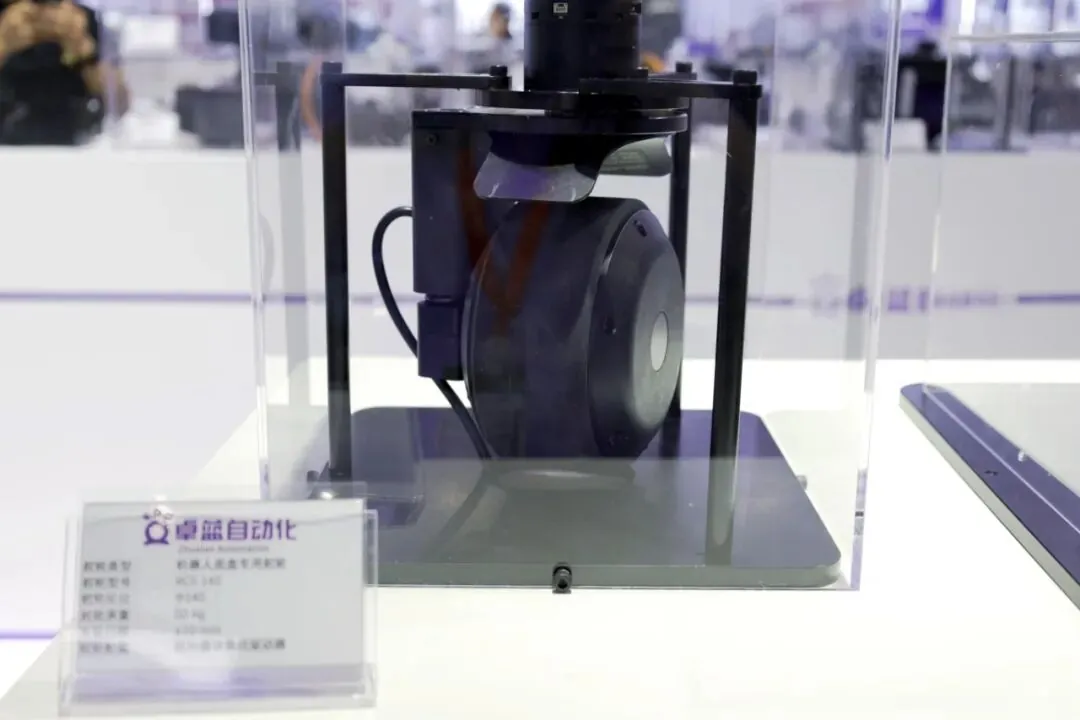
Real World Application Case: Heavy Payload Transport
A busy factory upgrade needed heavy duty transport vehicles to carry heavy machinery parts across production zones. The engineering team selected TT series heavy duty drive units supplied by Houzai to move 15 metric ton payloads.
The installed AGV drive wheel assembly provided stable movement across concrete factory floors. The integrated gearboxes reduced vehicle drive maintenance costs by 40 percent over twelve months of continuous operation. Transport throughput increased by 35 percent after completing system testing.
Technical Limitations to Consider
While integrated drive assemblies simplify robot chassis design, engineers should plan for real working constraints.
- Heat Management: Enclosed gear housings need adequate airflow during full load continuous travel.
- Surface Tread Wear: Heavy wheel loads require clean factory floors to protect polyurethane wheel coatings.
- Peak Torque Hazards: Fast emergency braking events generate temporary torque spikes on mechanical gear teeth.
Frequently Asked Questions About AGV Drive Wheels
What is the difference between horizontal and vertical drive wheels?
Vertical drive wheels suit tall robot frames with open top space. Horizontal drive wheels save vertical height inside low chassis AMRs and shuttle carts.
What weight ranges do modern drive wheel assemblies cover?
Complete drive series cover payloads starting from 50 KG light shuttles up to 20,000 KG heavy transport platforms.
Why is an external brake beneficial on a drive wheel assembly?
External brakes allow quick inspection access, easy maintenance work, and effective cooling during frequent stop and go driving.